
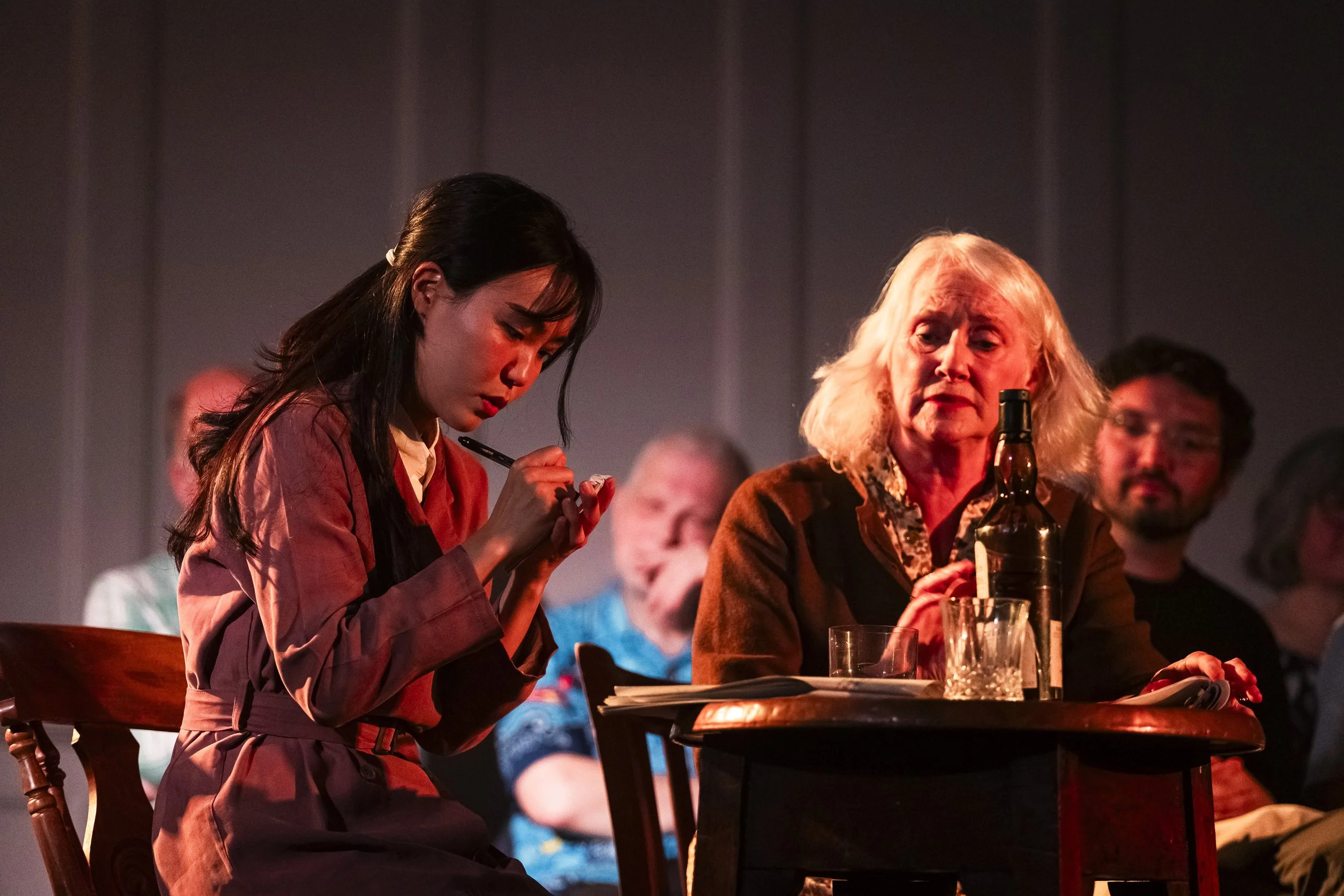
Korean Season at the Fringe, where ceilidhs and hanbok collide
Early morning, early August 2015: my first full Fringe as an Edinburgh resident. I arrived on the Royal Mile before the box office opened so I could beat the queues. I may have been the only Fringe-goer at this hour, but I was not alone…

On queer visibility and the metatextuality of drag
What does it mean to be perceived? I have been thinking about this question more than is probably healthy since watching Tia Kofi at the Edinburgh Fringe. The occasion was The Final FronTia, a live recording of Tia's podcast, with comedy duo Flo and Joan joining her to talk about their Andrew Lloyd Webber show. Tia, who won RuPaul's Drag Race UK vs The World, has spent the years since becoming one of British drag's most recognisable figures.

Constructing new myths for our inner child
Having been in therapy for several years now, I am no stranger to the question, “What would you say to your inner child?” I am never prepared to answer it, though. In the small room that hosts Legendary, we are greeted by this question, beamed onto a backdrop from an old school projector. Yellow balloons hover along the edges of the stage and an ethereal character – loose hair, clad in a long white lace dress – stands amongst the audience, gently welcoming those that walk in.
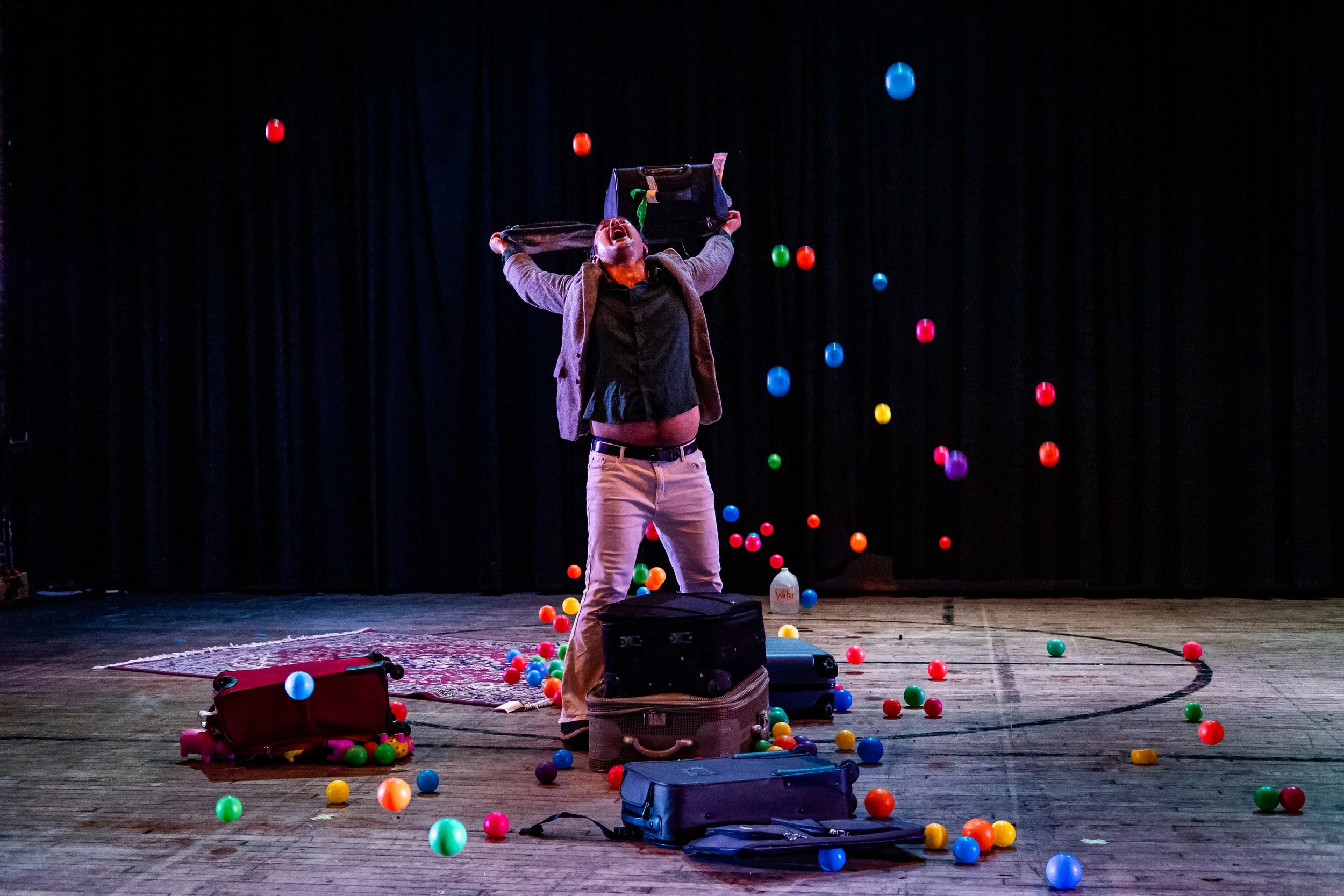
Drinking piss and refusing the theatre of representation
For years, I have wanted to write an essay on how the closing credit cards that come up at the end of biopics always make me cry. You know the ones. “Turing’s work inspired generations of research” from The Imitation Game. “That same year, John and June were married and settled into the lake house” from Walk the Line…
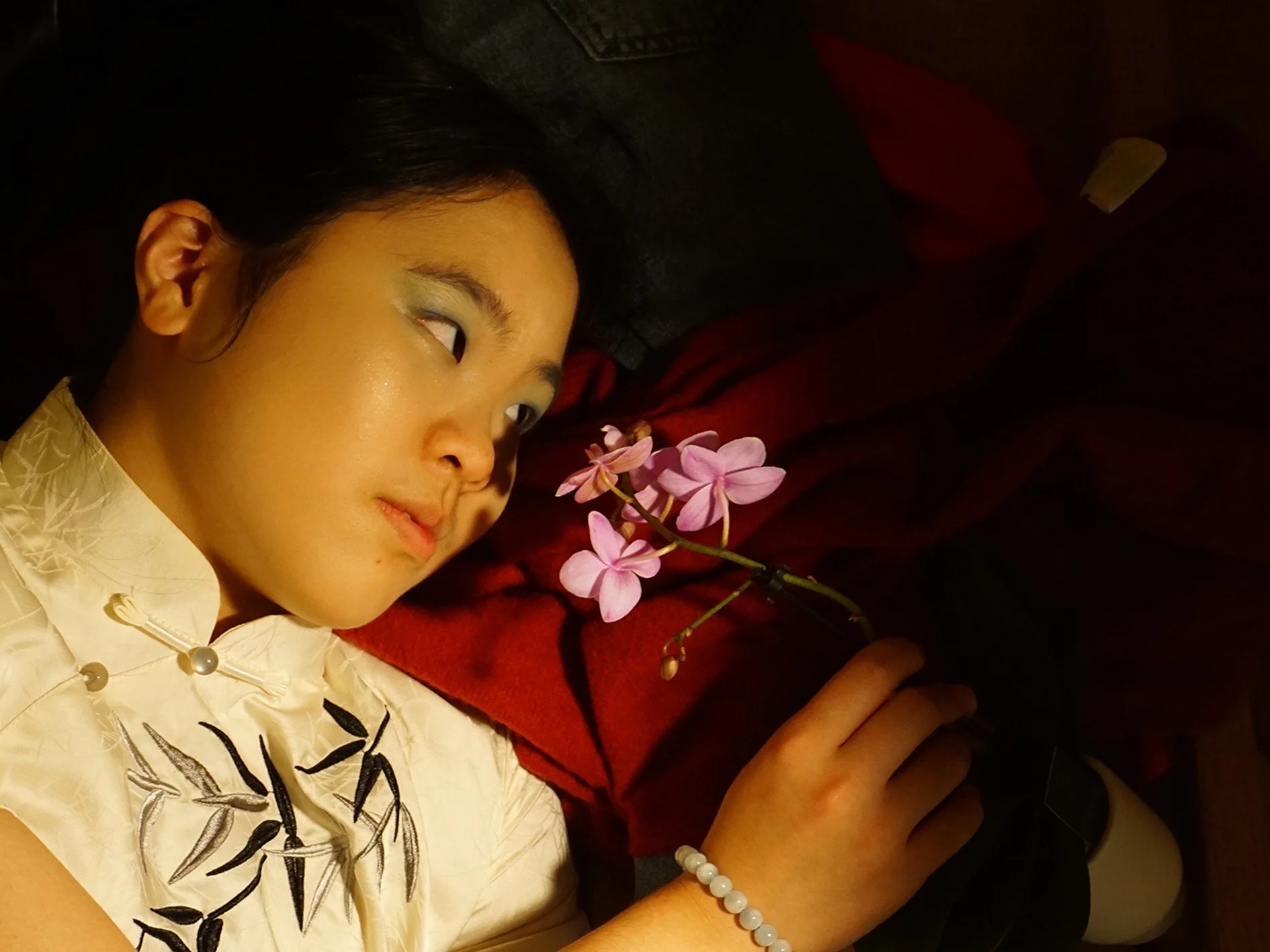
Learning to bloom without fairytale expectations
Heungbu tending to an injured swallow. The youngest pig building his house out of bricks. Fairytales teach children culture and values in ways few other things can. Hard work bears fruit. Bravery brings reward. Kindness begets beauty.
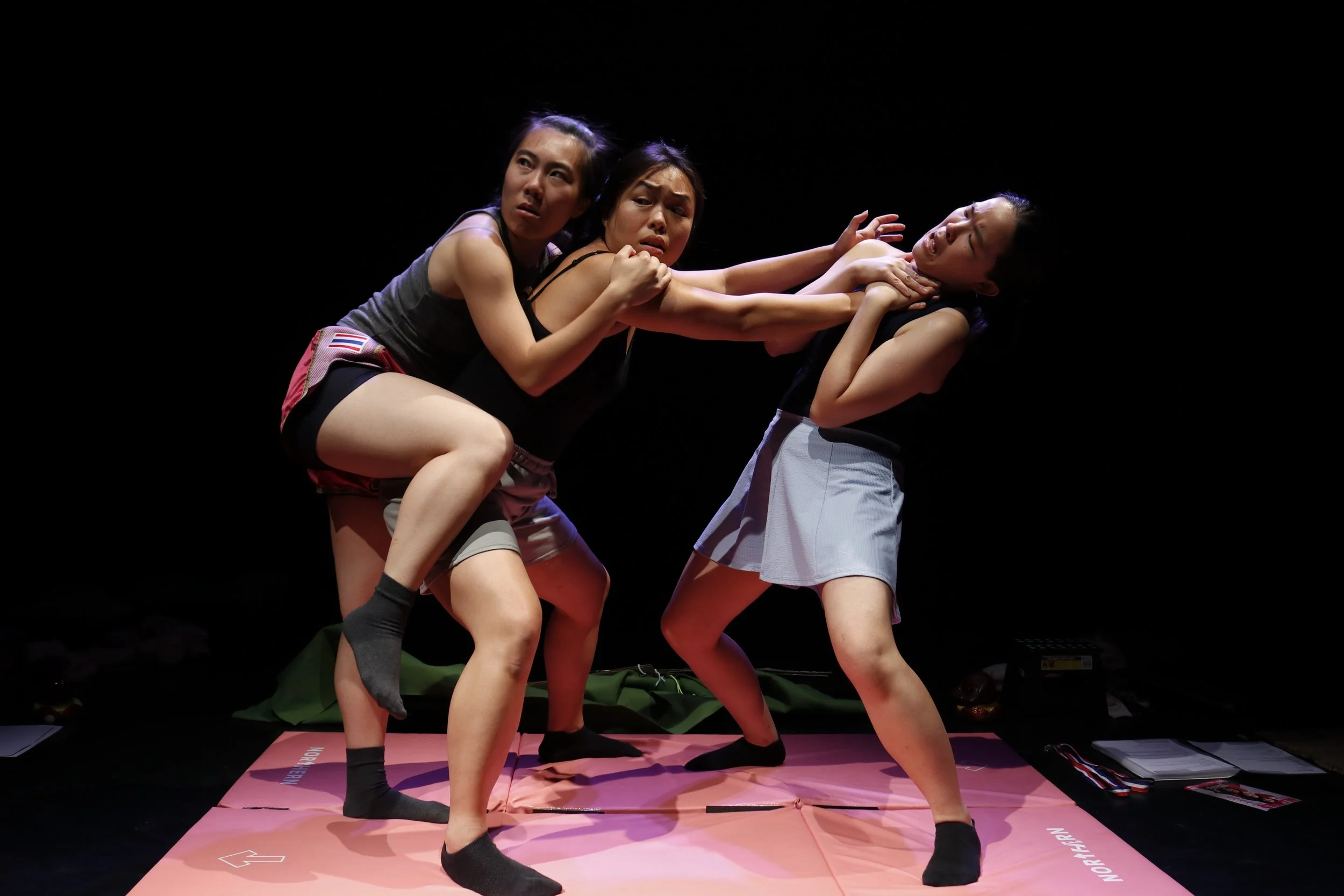
Breaking free from pigeonholes and the toxicity of individualism
I cannot pinpoint when I started oscillating between anger and despair. Another racist attack in Scotland, another empty statement. Another precarious creative opportunity, another exhausting conversation with an institution. A cycle of feeling unsafe or unheard. As far-right violence became more normalised and the arts remained indifferent, I felt fewer pulses of hope. In the month preceding the Edinburgh Fringe, I flatlined into rage.
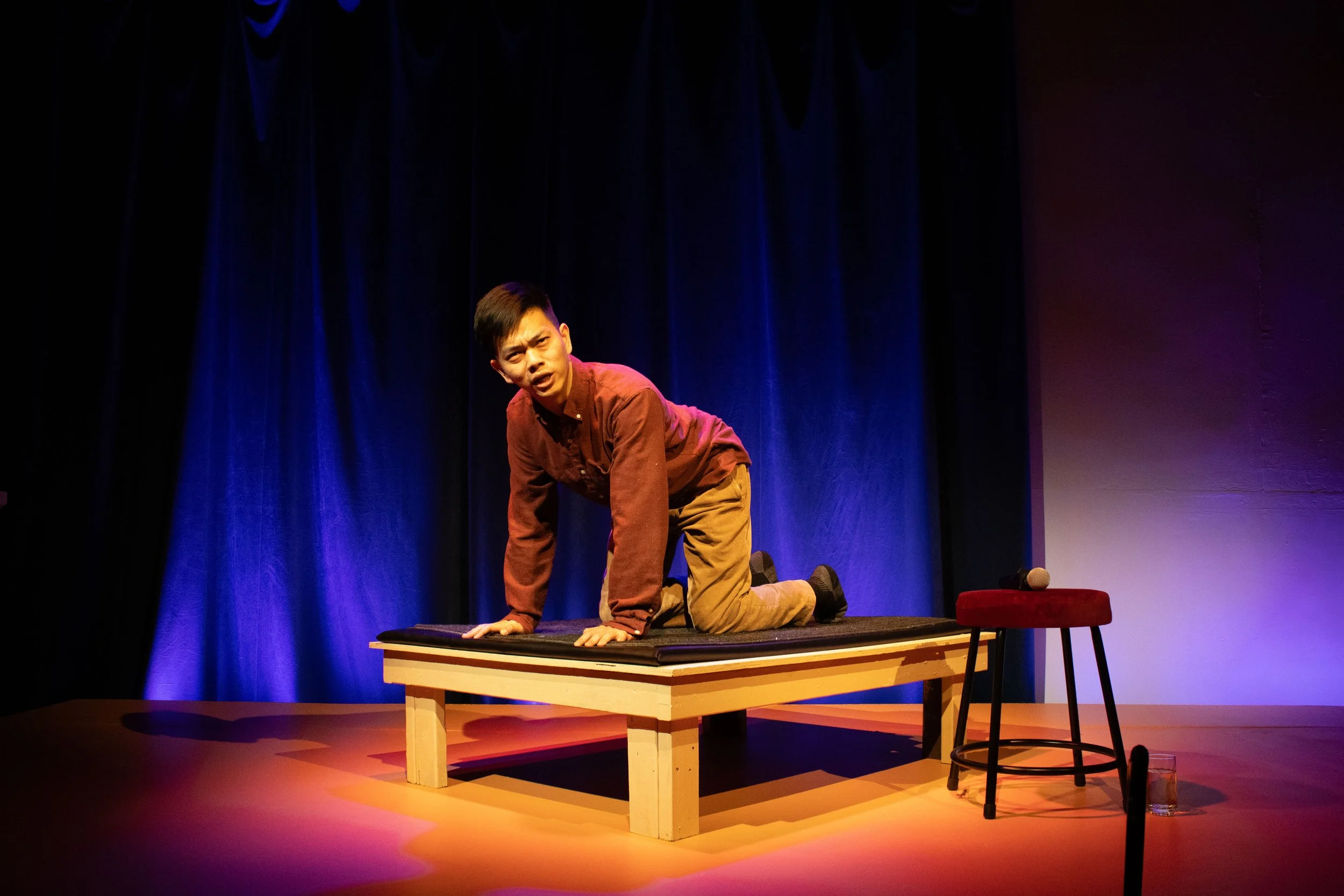
Aaron Pang proves that truth is sexier than tropes
Haneul Lee responds to Falling: A Disabled Love Story by Aaron Pang, exploring the mainstream media’s obsession with disabled bodies and why disabled people get to be seen as “cute” but rarely “sexy.”
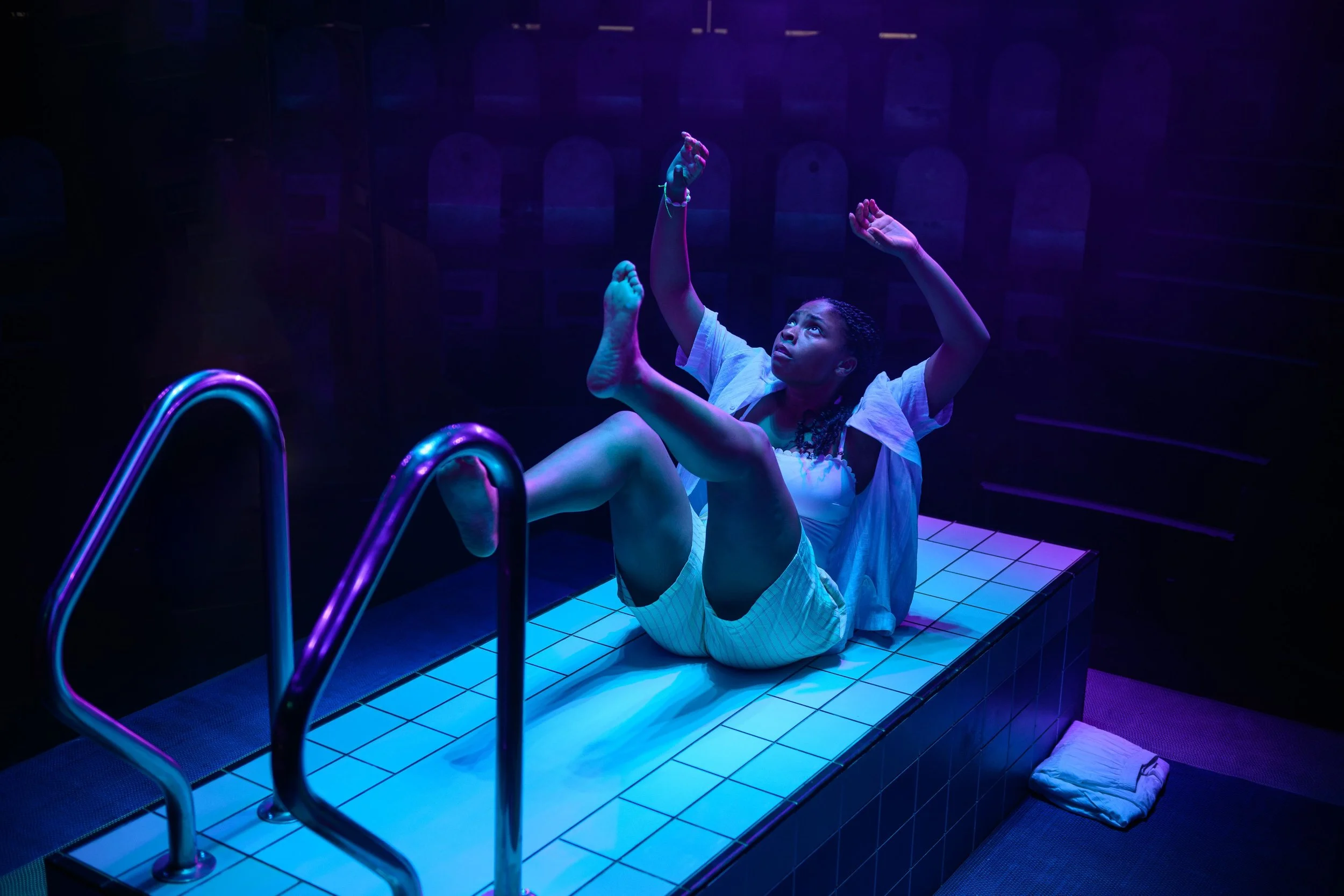
To reconcile with water, through fear and grief
Elete N-F responds to How I Learned to Swim by Somebody Jones, embracing the darkness of water and its properties of healing and communality.

How Diana Feng and Sierra Sevilla are interrogating norms that define culture
Rho Chung interviews theatremakers Diana Feng from Don’t Call Me China Doll and Sierra Sevilla from For the Love of Spam about their Edinburgh Fringe shows, unpacking racial stereotypes, tropes, and the histories that have maintained them.

Excavating childhood from the chaos of conflict
Anthony V. Capildeo responds to Precious Cargo, a story about the children affected by Operation Babylift during the Vietnam war, by Australian writer-performer Barton Williams (Huynh van Cuong) and Hebridean composer Andy Yearley (Nguyen Tang).

Longing for a child and waiting for a moment
In this Response to Rat Tails (WIP) by Jeremy McClain, Eilidh Akilade details the journey of art criticism, from the inception of an idea in June, to the witnessing of an Edinburgh Fringe show, before the long bus ride home in August.

History repeats itself at the Edinburgh Fringe
Katie Goh responds to A History of Fortune Cookies by Sean Wai Keung, looking back on previous iterations of the performer’s work and of her own writing to find value in repetition.

Charlene Kaye: A Rockstar breaking generational moulds
Xandra Sunglim Burns responds to Charlene Kaye’s show ‘Tiger Daughter or: How I Brought My Immigrant Mother Ultimate Shame’, on music, mothers, and breaking the generational curse of assimilation and propriety.

Embracing stillness to conceive the Soft Bwoi
Arusa Qureshi
Beyond the constructs and confines of gender, the divine feminine exists deep within us all. It’s the energy that allows for compassion, nurturing and devotion; an embracing of softness and stillness in all its varying guises. In Danny Bailey’s short film Soft Bwoi, the notion of the divine feminine is beautifully encapsulated through the use of folklore and imagery from Caribbean carnival culture and queerness.

Unravelling gender through nature and mysticism
Rho Chung responds to Selkie, a visually sumptuous short film exploring issues of identity and belonging through visual and oral storytelling, by collaborative siblings Niall and India Moorjani.

Scotland, legacies of slavery and unpacking family histories in front of white audiences
Lisa Williams responds to The Drift by Hannah Lavery, a poetic journey through history, Scottishness, belonging and grief, and a Fringe of Colour 2020 Commission.

Interrogating race with a thousand questions
Memuna Konteh responds to Race Cards, a filmic re-production of an in-person installation and performance piece by Selina Thompson, created as a Fringe of Colour 2020 Commission.

Online theatre has endless liberation possibilities - here’s why
Theophina Gabriel talks about the vasts possibilities of virtual theatre, from access to imagination.

Unwrapping “authentic” East Asian identity
Katie Goh responds to FORTUNE online, in which sean wai keung adapts his stage performance about navigating Western and Eastern identities.

Paying homage to the Black queer dancefloor
Elete N-F responds to CLUB, a vibrant exploration of queer black women forging space for themselves against the landscape of London's nightlife, by Esme Allman.