
Writing beyond review.
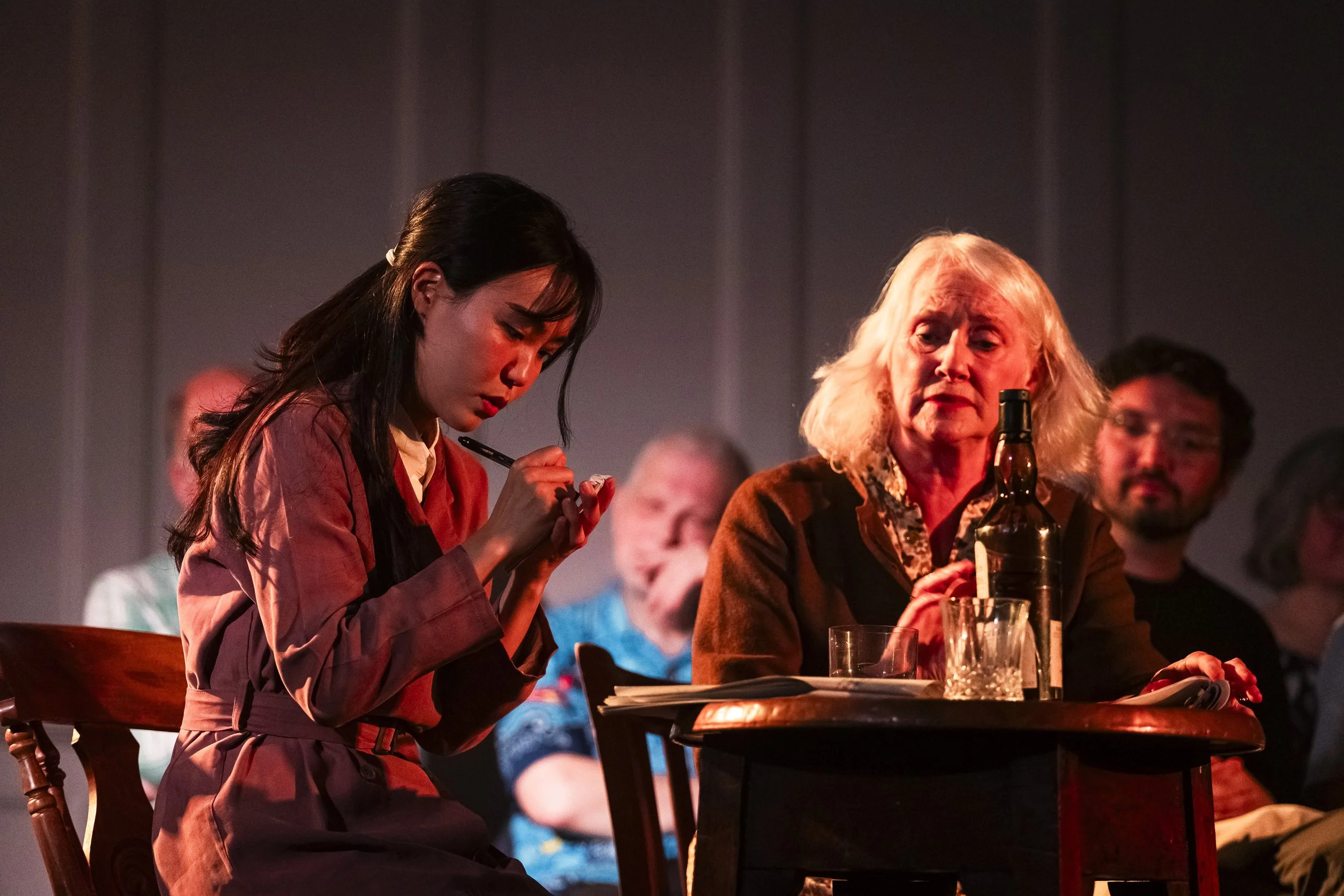
Early morning, early August 2015: my first full Fringe as an Edinburgh resident. I arrived on the Royal Mile before the box office opened so I could beat the queues. I may have been the only Fringe-goer at this hour, but I was not alone…
Explore Responses by

What does it mean to be perceived? I have been thinking about this question more than is probably healthy since watching Tia Kofi at the Edinburgh Fringe. The occasion was The Final FronTia, a live recording of Tia's podcast, with comedy duo Flo and Joan joining her to talk about their Andrew Lloyd Webber show. Tia, who won RuPaul's Drag Race UK vs The World, has spent the years since becoming one of British drag's most recognisable figures.

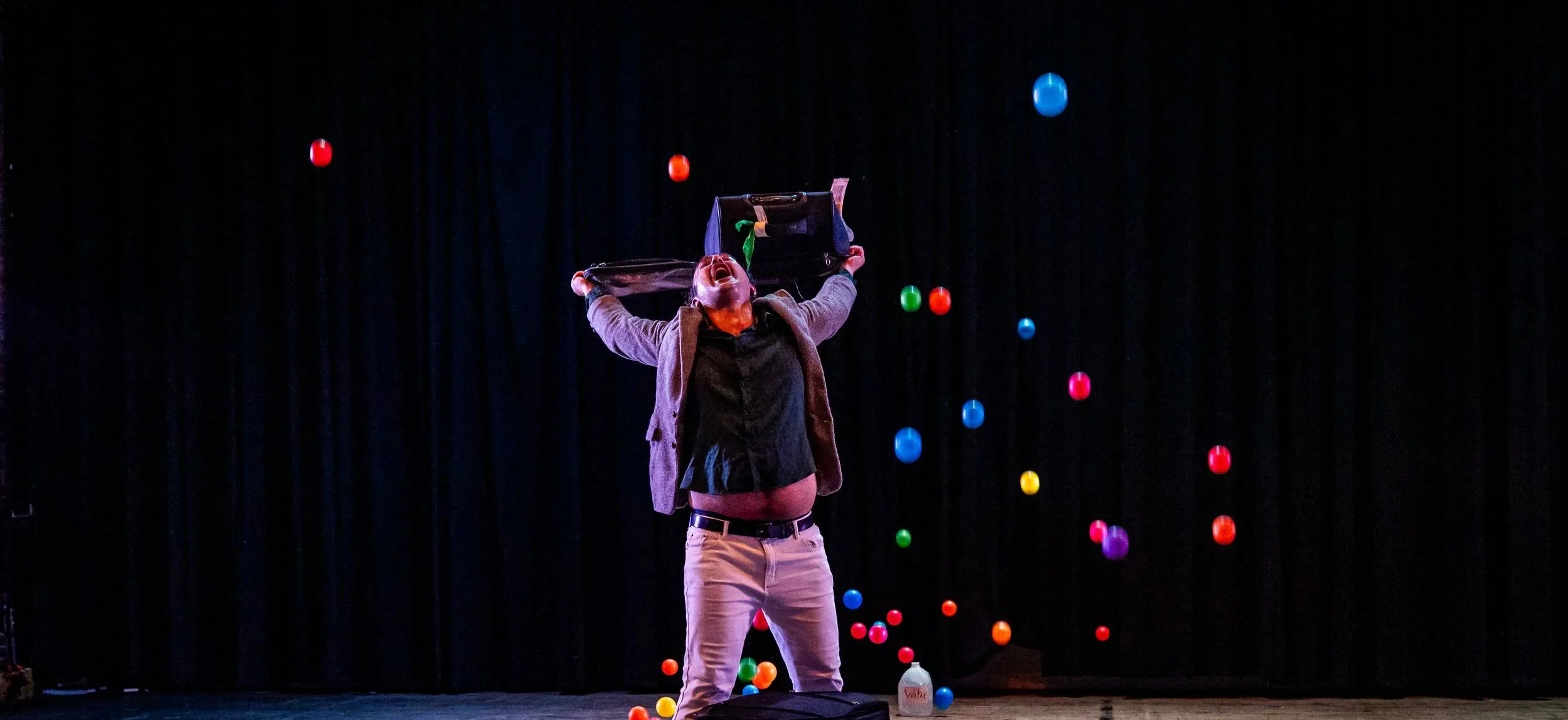
Having been in therapy for several years now, I am no stranger to the question, “What would you say to your inner child?” I am never prepared to answer it, though. In the small room that hosts Legendary, we are greeted by this question, beamed onto a backdrop from an old school projector. Yellow balloons hover along the edges of the stage and an ethereal character – loose hair, clad in a long white lace dress – stands amongst the audience, gently welcoming those that walk in.
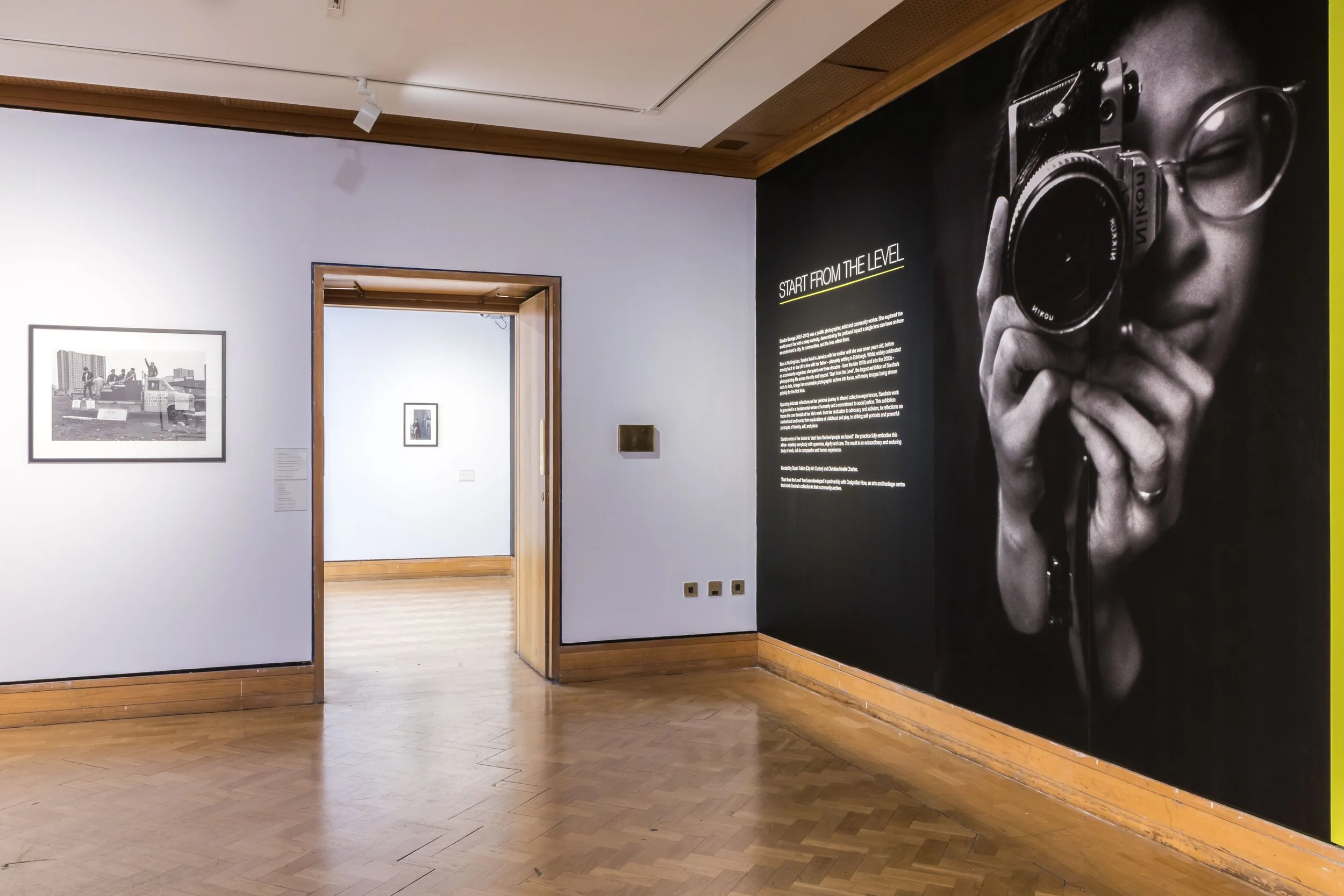
The scaffolding on North Bridge is finally down and I can see a 40-foot Black woman looking at me through the viewfinder of her camera. It is the advertisement for the exhibition Sandra George: Start from the Level at the City Art Centre. I pause in her giant gaze, a small subject in her line of sight, and offer mine back.
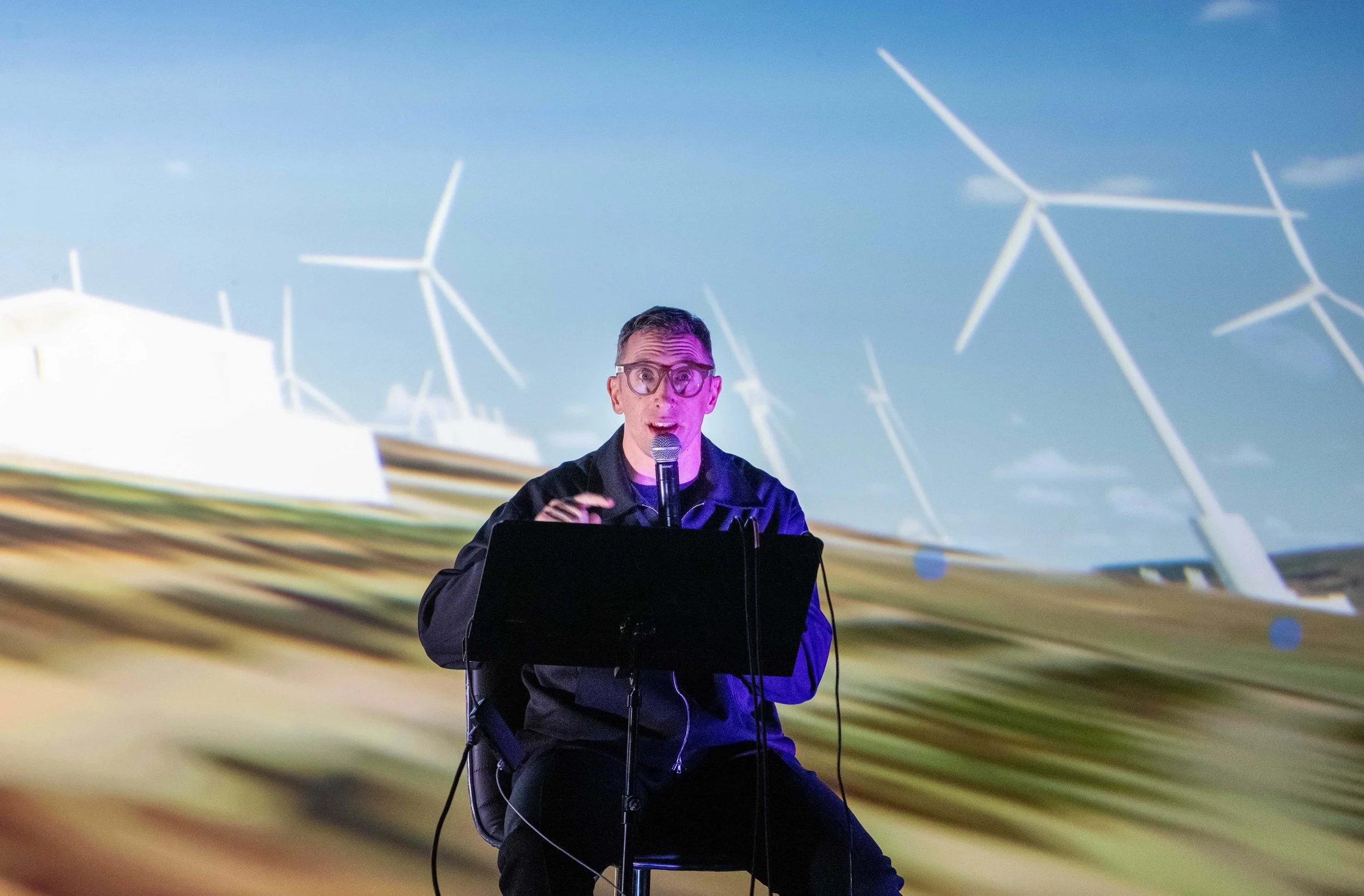
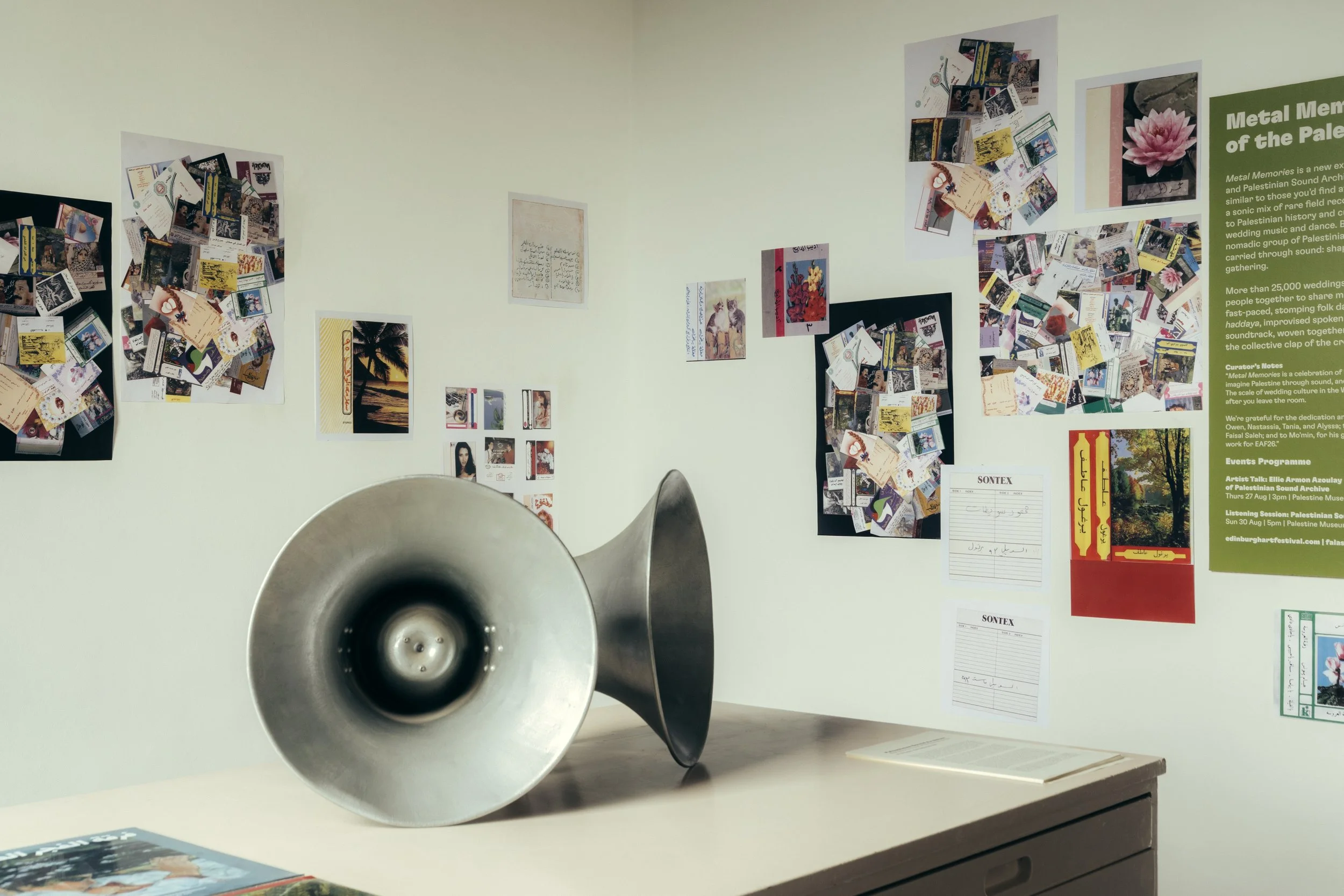
What do we choose to listen to every day? A year has passed since I stopped taking headphones with me when I leave the house, since I cancelled my Spotify subscription due to the company’s complicity with Israel’s genocidal campaign in Palestine. The music streaming platform’s founder, Daniel Ek, pumped millions of dollars stolen from artists into the German AI military company Helsing, which has active contracts with international arms companies supplying Israel.
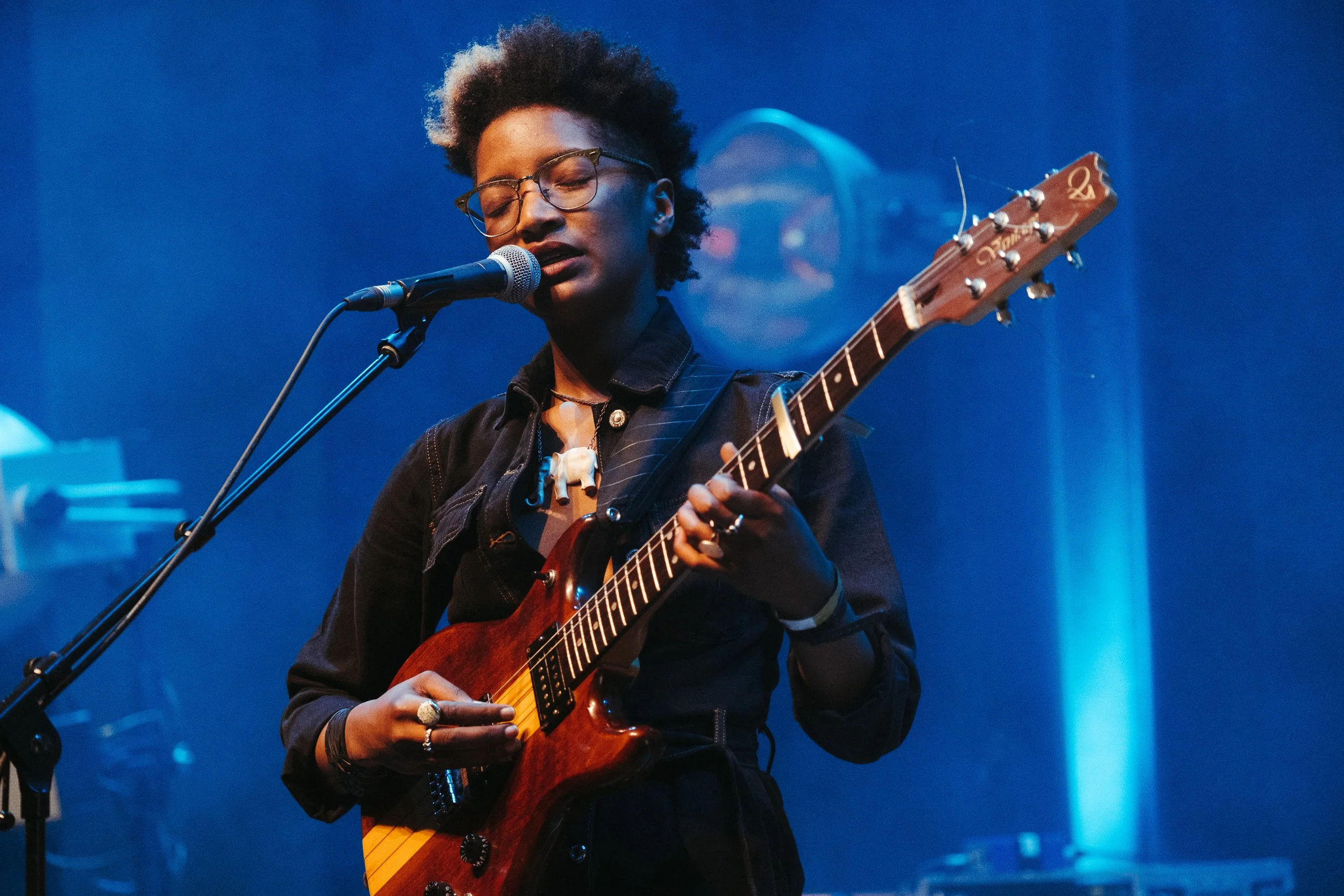
Teenage Beldina Odenyo's face fills the screen. "I suppose if anything ever happens to me,” she says, “it would be good if somebody found this and basically understood how I was feeling." Watching the opening of the feature film Bel, I felt like a witness to a prophecy: Odenyo ended her life just as her star was about to shoot.
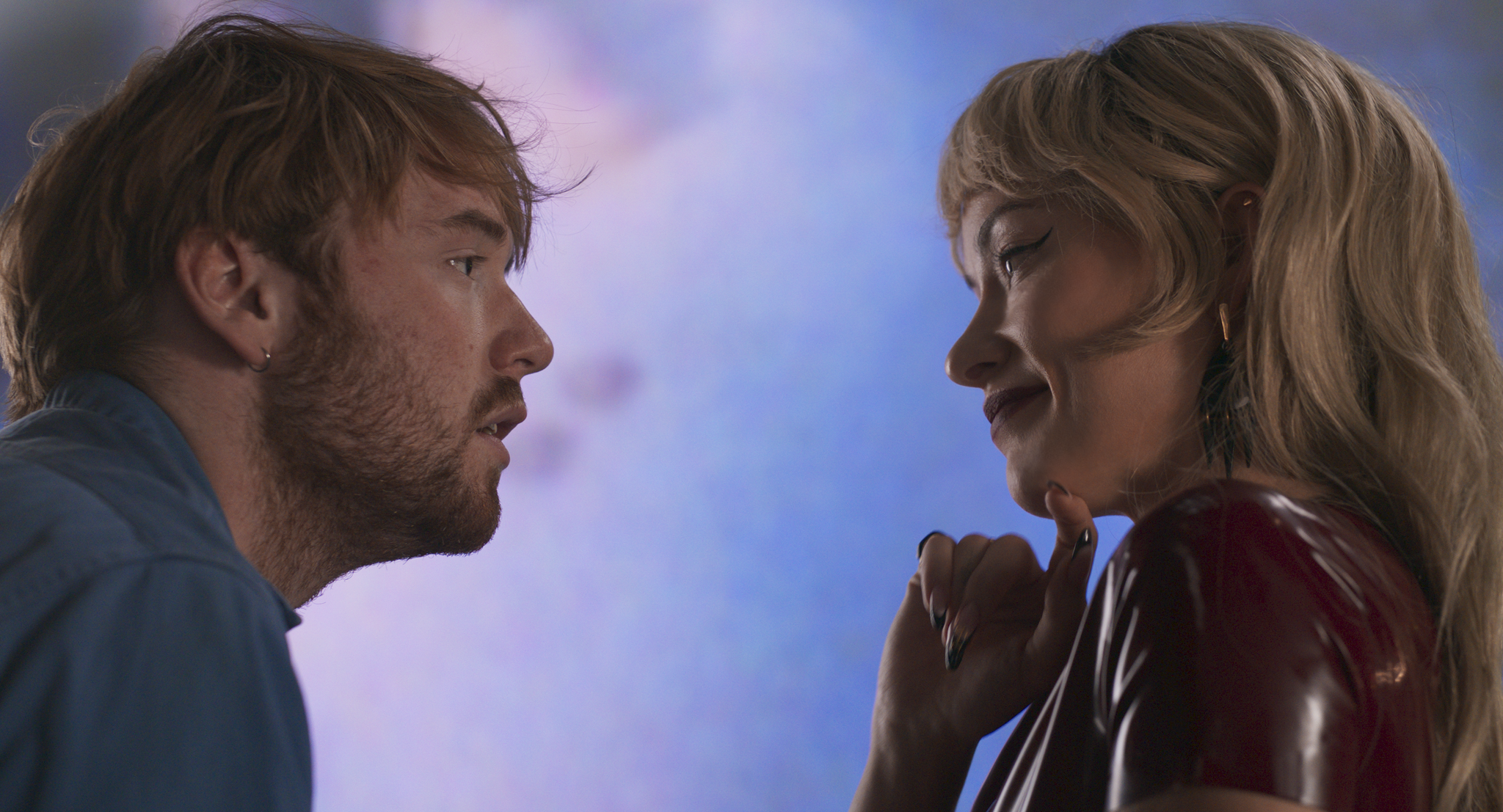
Despite relentless internet discourse on the necessity of sex scenes, kink is making a comeback in film – and I love to see it. As a queer creative, it excites me that filmmakers are taking risks with increased representations of ‘taboo’ sexuality.
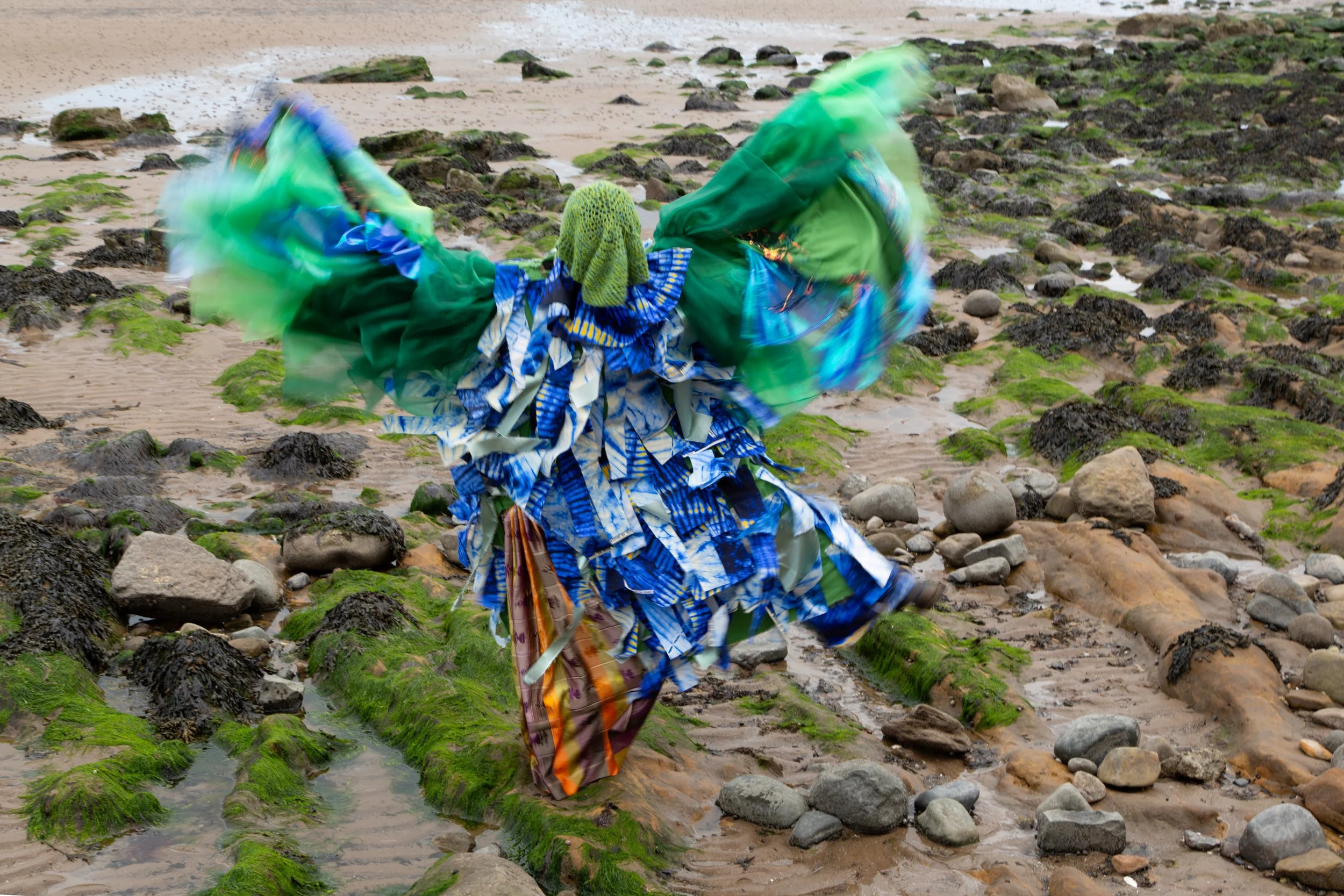
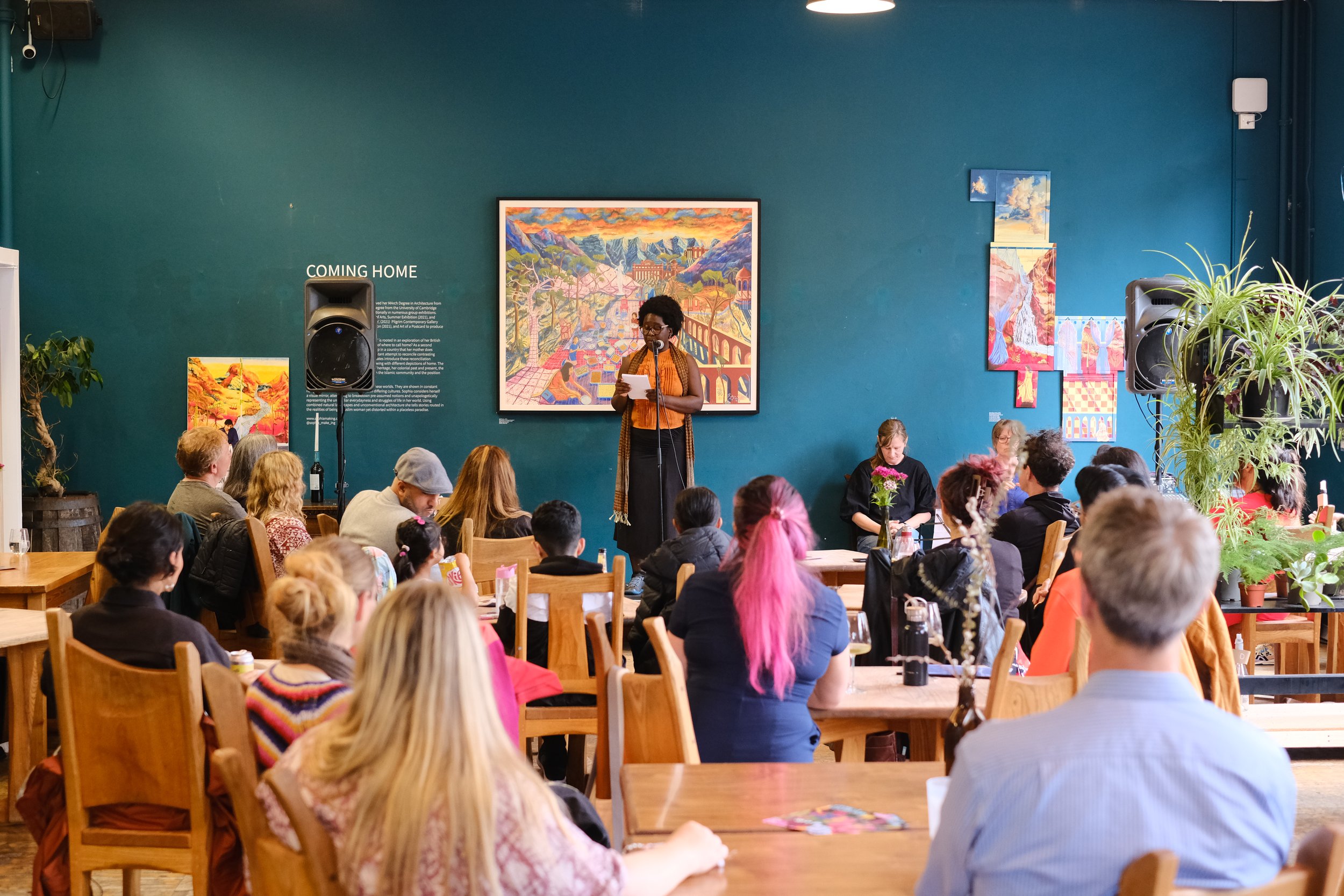
A poetic Response to The Masquerade by Jj Fadaka, written by Titilayo Farukuoye.
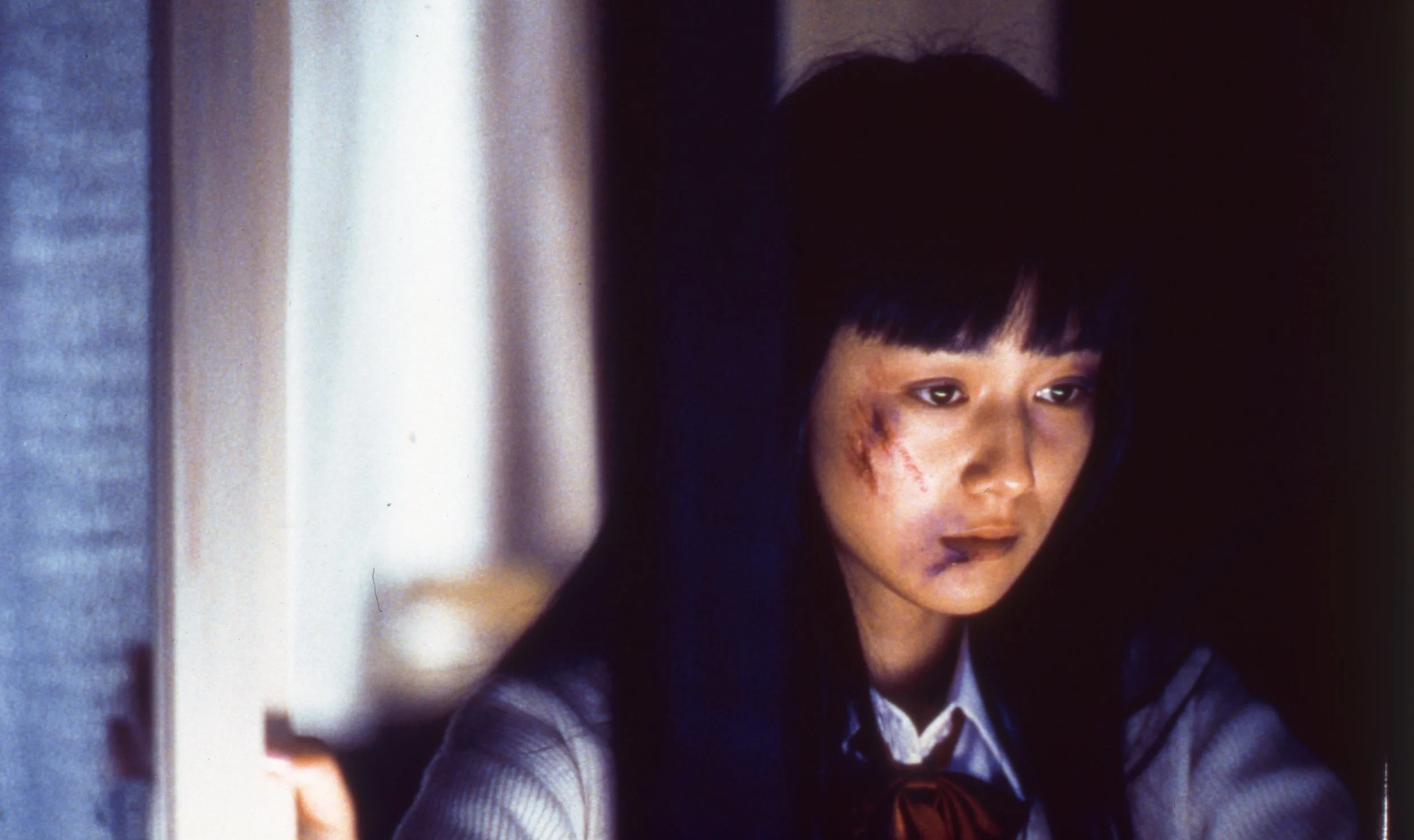
Takashi Miike's Visitor Q depicts the maximum level of breakdown in a family. This (very) dark comedy opens on a home video sex scene between father and daughter in a seedy motel, progressing through scenes of profound dysfunction as a mysterious visitor (Kazushi Watanabe) comes to stay with the family.
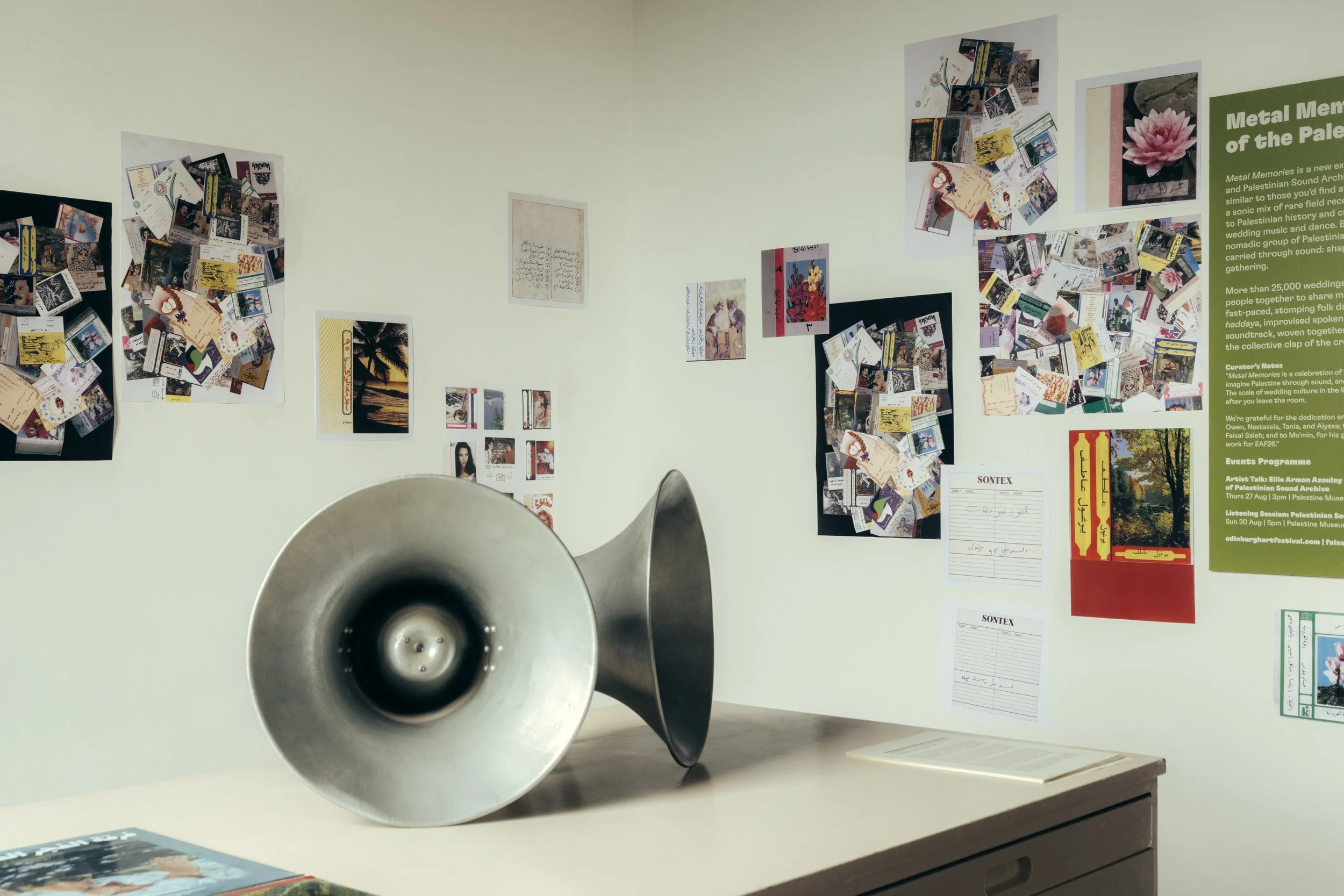
I have always been interested in memory. In my writing practice, I cannot divest memory from culture and inheritance. Obvious personal entry points are the iconography of La Virgen de Guadalupe whose portrait hangs in the house of all my elder family members, or the distinct food culture of my maternal northern México…
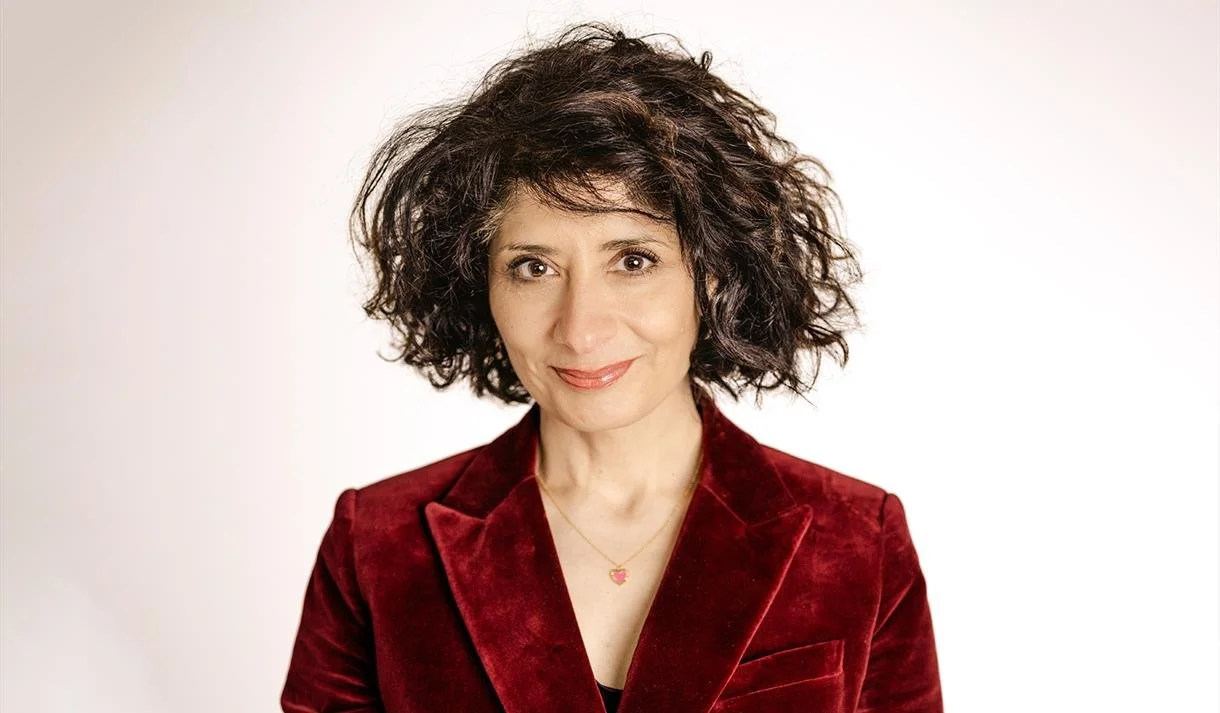
In this Response to Shaparak Khorsandi’s Edinburgh Fringe show Scatterbrain, Shivam Chowdhary describes the joy of watching a performer revel in their ADHD mind, and the ache that comes with finding oneself on the outside of a diagnosis.
Teenage Beldina Odenyo's face fills the screen. "I suppose if anything ever happens to me,” she says, “it would be good if somebody found this and basically understood how I was feeling." Watching the opening of the feature film Bel, I felt like a witness to a prophecy: Odenyo ended her life just as her star was about to shoot.
Despite relentless internet discourse on the necessity of sex scenes, kink is making a comeback in film – and I love to see it. As a queer creative, it excites me that filmmakers are taking risks with increased representations of ‘taboo’ sexuality.
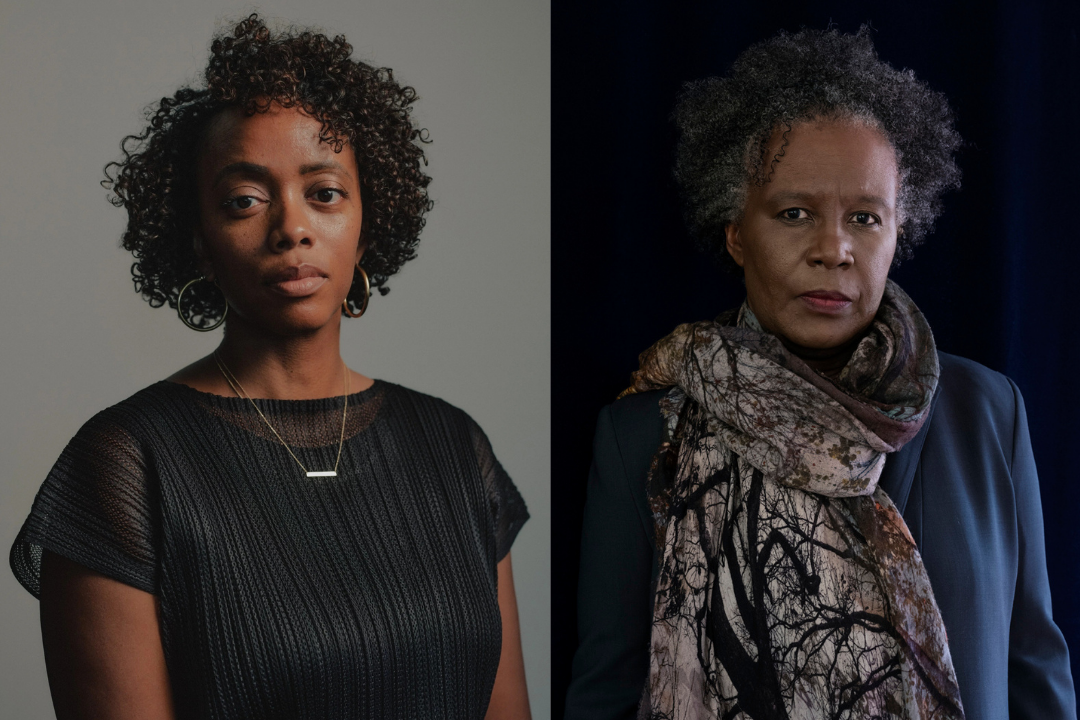
A poetic Response to Angela Flournoy and Claudia Rankine’s event at the Edinburgh International Book Festival 2026, written and read by Hannah Lavery.
Takashi Miike's Visitor Q depicts the maximum level of breakdown in a family. This (very) dark comedy opens on a home video sex scene between father and daughter in a seedy motel, progressing through scenes of profound dysfunction as a mysterious visitor (Kazushi Watanabe) comes to stay with the family.

Anthony V. Capildeo responds to Precious Cargo, a story about the children affected by Operation Babylift during the Vietnam war, by Australian writer-performer Barton Williams (Huynh van Cuong) and Hebridean composer Andy Yearley (Nguyen Tang).

Katie Goh responds to A History of Fortune Cookies by Sean Wai Keung, looking back on previous iterations of the performer’s work and of her own writing to find value in repetition.
Recent Topics
LITERATURE
How Do You Write About America?
by Hannah Lavery | 3 September 2026
RELATIONSHIPS
Breaking free from pigeonholes and the toxicity of individualism
by Aileen Angsutorn Lees | 27 August 2026
QUEERNESS
On queer visibility and the metatextuality of drag
by Shivam Chowdhary | 15 September 2026
RESISTANCE
‘Every word, every note matters’: On sound as a portal into inherited histories
by Andrés N. Ordorica | 24 August 2026
MIGRATION AND MOVEMENT
Learning to bloom without fairytale expectations
by Haneul Lee | 31 August 2026
ANTI-CAPITALISM
Defending the sex scene: Kink as anti-capitalist provocation
by Memuna Konteh | 3 September 2026
Meditations on Art
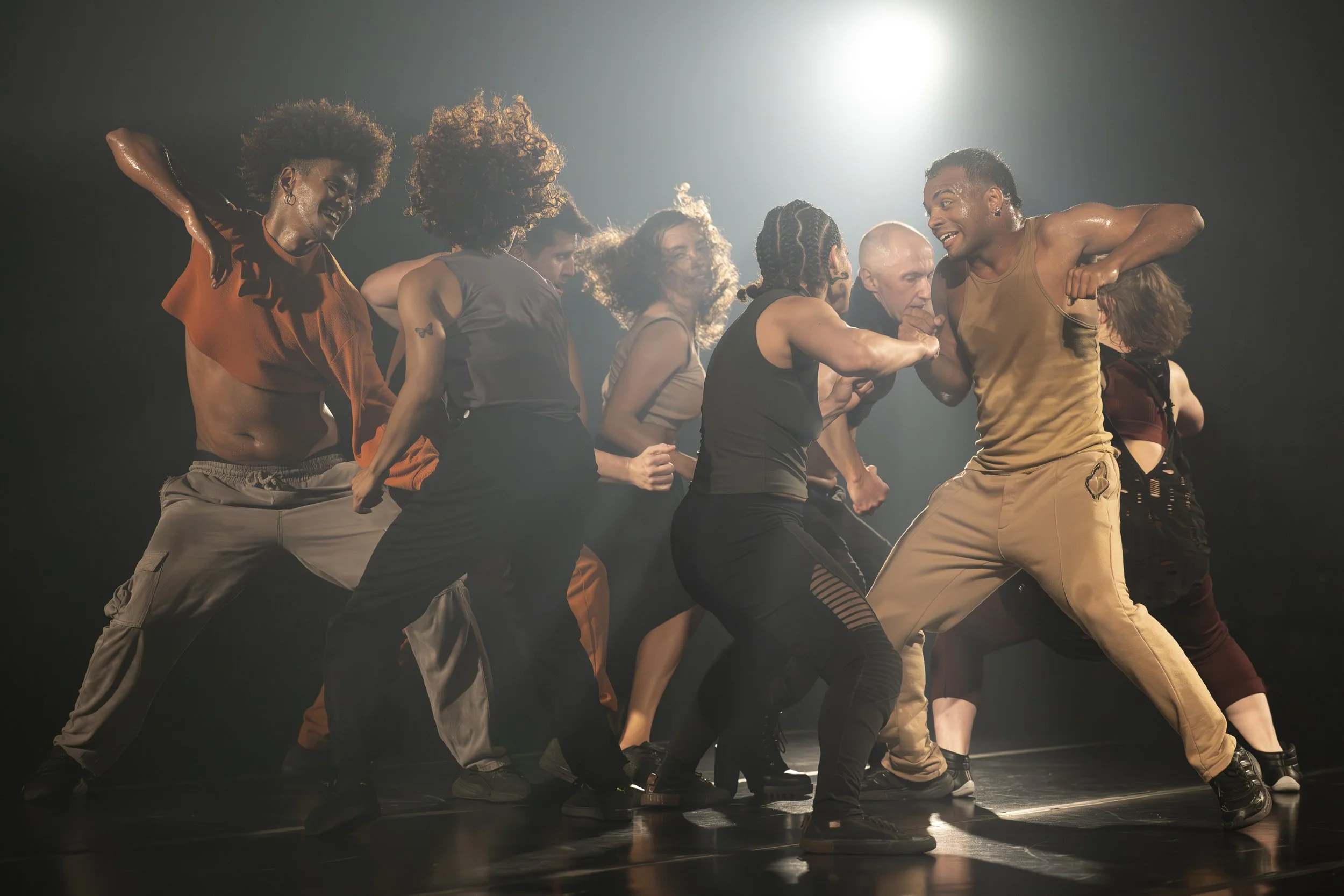
The Body Politic: Somatics and crossings in Border Bodies
by EILIDH AKILADE
A cacophony of violence: Sonic occupation and defiance at Leith Theatre
by XUANLIN THAM
‘Every word, every note matters’: On sound as a portal into inherited histories
by ANDRÉS N. ORDORICA
Limitless Desire: Navigating Taboo, Disgust and Pleasure in Visitor Q
by RHO CHUNG
Guest Editorials

Editorial: We see each other
by ALYCIA PIRMOHAMED

Editorial: Creating work in good company
by CALEB AZUMAH NELSON
New Poetry
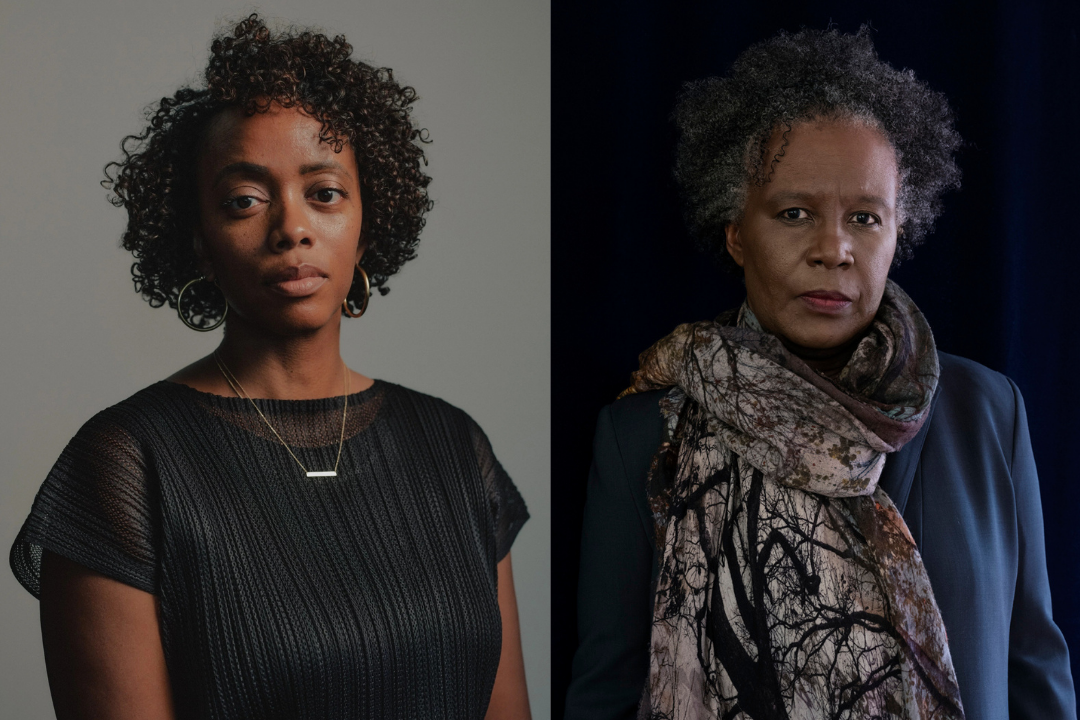
How do you write about America?
by HANNAH LAVERY
I name myself becoming
by TITILAYO FARUKUOYE
Publishing subjectivity-led responses to art since 2020 - thanks to the support of our readers.
Early morning, early August 2015: my first full Fringe as an Edinburgh resident. I arrived on the Royal Mile before the box office opened so I could beat the queues. I may have been the only Fringe-goer at this hour, but I was not alone…
Having been in therapy for several years now, I am no stranger to the question, “What would you say to your inner child?” I am never prepared to answer it, though. In the small room that hosts Legendary, we are greeted by this question, beamed onto a backdrop from an old school projector. Yellow balloons hover along the edges of the stage and an ethereal character – loose hair, clad in a long white lace dress – stands amongst the audience, gently welcoming those that walk in.
The scaffolding on North Bridge is finally down and I can see a 40-foot Black woman looking at me through the viewfinder of her camera. It is the advertisement for the exhibition Sandra George: Start from the Level at the City Art Centre. I pause in her giant gaze, a small subject in her line of sight, and offer mine back.
What do we choose to listen to every day? A year has passed since I stopped taking headphones with me when I leave the house, since I cancelled my Spotify subscription due to the company’s complicity with Israel’s genocidal campaign in Palestine. The music streaming platform’s founder, Daniel Ek, pumped millions of dollars stolen from artists into the German AI military company Helsing, which has active contracts with international arms companies supplying Israel.
Teenage Beldina Odenyo's face fills the screen. "I suppose if anything ever happens to me,” she says, “it would be good if somebody found this and basically understood how I was feeling." Watching the opening of the feature film Bel, I felt like a witness to a prophecy: Odenyo ended her life just as her star was about to shoot.
A poetic Response to Angela Flournoy and Claudia Rankine’s event at the Edinburgh International Book Festival 2026, written and read by Hannah Lavery.
Essays to shape our thinking
-
![Film still]()
Home is the horizon
Hayley Wu (胡禧怡) responds to In the place where we left and arrived by Samuel Zhang, in which the contradictions of home and belonging underlie an autobiographical and documentary-style exploration of the queer Chinese diaspora.
-
![Still from film]()
Speaking back to silence
Deborah Chu responds to Mourad Kourbaj’s striking tale of a family escaping the horrors of the Argentine dictatorship and 'La Junta Militar' in Una Muerte y Un Nacimiento//A Death and A Birth.
-
![Film still]()
Golden hour fantasies
Katie Goh reponds to We Are Nature, a film by Jaha Browne & Olivia Martin McGuire with outdoor activists discussing their experiences of working with their communities to foster a sense of connection and belonging to the natural world.
-
![Film still]()
Finding sacrality in the city
Radha Patel responds to Cecilia Lim’s audiovisual poem, Pagpapa(-)alam: To Wish You Well, So You Know where, throughout the borough of Queens, New York, Women and Femmes of Colour practice reciprocity in support of their communities.
-
![Film Still]()
On oil, Drexciya and building pressure
Eilidh Akilade responds to Black Gold by Ashanti Harris, a filmic poem that moves through layers of thoughts, memories, visions and histories in a stream of consciousness of movements and sounds - a Fringe of Colour 2023 Commission.
-
![Yuluu still]()
What is left and what follows after displacement
Anahit Behrooz responds to Yuluu by Fatima Kried, which, through a beautifully stripped back animation style, looks back at the story of a young woman stranded in Beirut during the abrupt start of the 2006 war.


More Responses
Early morning, early August 2015: my first full Fringe as an Edinburgh resident. I arrived on the Royal Mile before the box office opened so I could beat the queues. I may have been the only Fringe-goer at this hour, but I was not alone…
What does it mean to be perceived? I have been thinking about this question more than is probably healthy since watching Tia Kofi at the Edinburgh Fringe. The occasion was The Final FronTia, a live recording of Tia's podcast, with comedy duo Flo and Joan joining her to talk about their Andrew Lloyd Webber show. Tia, who won RuPaul's Drag Race UK vs The World, has spent the years since becoming one of British drag's most recognisable figures.
Having been in therapy for several years now, I am no stranger to the question, “What would you say to your inner child?” I am never prepared to answer it, though. In the small room that hosts Legendary, we are greeted by this question, beamed onto a backdrop from an old school projector. Yellow balloons hover along the edges of the stage and an ethereal character – loose hair, clad in a long white lace dress – stands amongst the audience, gently welcoming those that walk in.
The scaffolding on North Bridge is finally down and I can see a 40-foot Black woman looking at me through the viewfinder of her camera. It is the advertisement for the exhibition Sandra George: Start from the Level at the City Art Centre. I pause in her giant gaze, a small subject in her line of sight, and offer mine back.
What do we choose to listen to every day? A year has passed since I stopped taking headphones with me when I leave the house, since I cancelled my Spotify subscription due to the company’s complicity with Israel’s genocidal campaign in Palestine. The music streaming platform’s founder, Daniel Ek, pumped millions of dollars stolen from artists into the German AI military company Helsing, which has active contracts with international arms companies supplying Israel.
Teenage Beldina Odenyo's face fills the screen. "I suppose if anything ever happens to me,” she says, “it would be good if somebody found this and basically understood how I was feeling." Watching the opening of the feature film Bel, I felt like a witness to a prophecy: Odenyo ended her life just as her star was about to shoot.
Despite relentless internet discourse on the necessity of sex scenes, kink is making a comeback in film – and I love to see it. As a queer creative, it excites me that filmmakers are taking risks with increased representations of ‘taboo’ sexuality.
A poetic Response to Angela Flournoy and Claudia Rankine’s event at the Edinburgh International Book Festival 2026, written and read by Hannah Lavery.
For years, I have wanted to write an essay on how the closing credit cards that come up at the end of biopics always make me cry. You know the ones. “Turing’s work inspired generations of research” from The Imitation Game. “That same year, John and June were married and settled into the lake house” from Walk the Line…
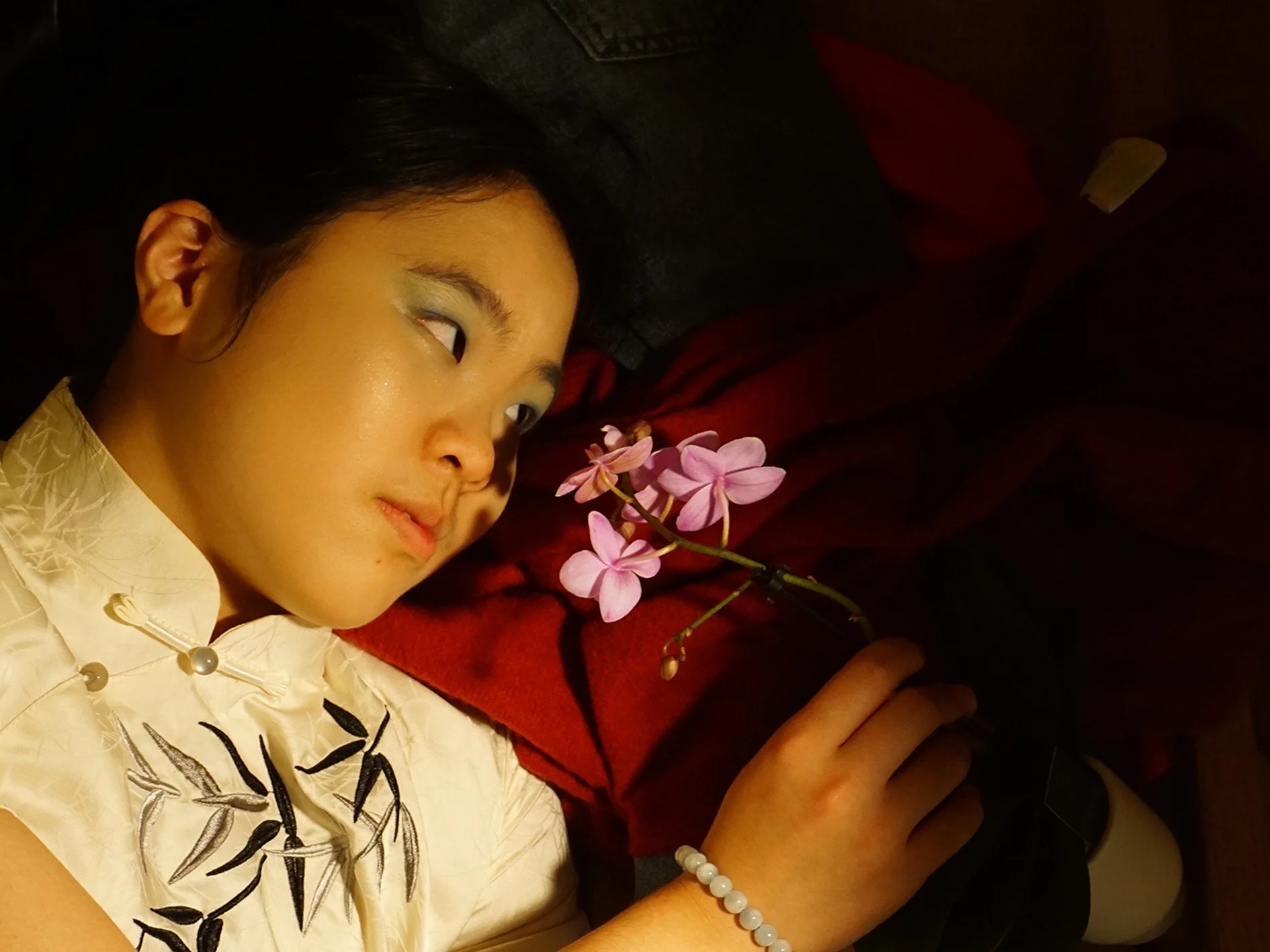
Heungbu tending to an injured swallow. The youngest pig building his house out of bricks. Fairytales teach children culture and values in ways few other things can. Hard work bears fruit. Bravery brings reward. Kindness begets beauty.
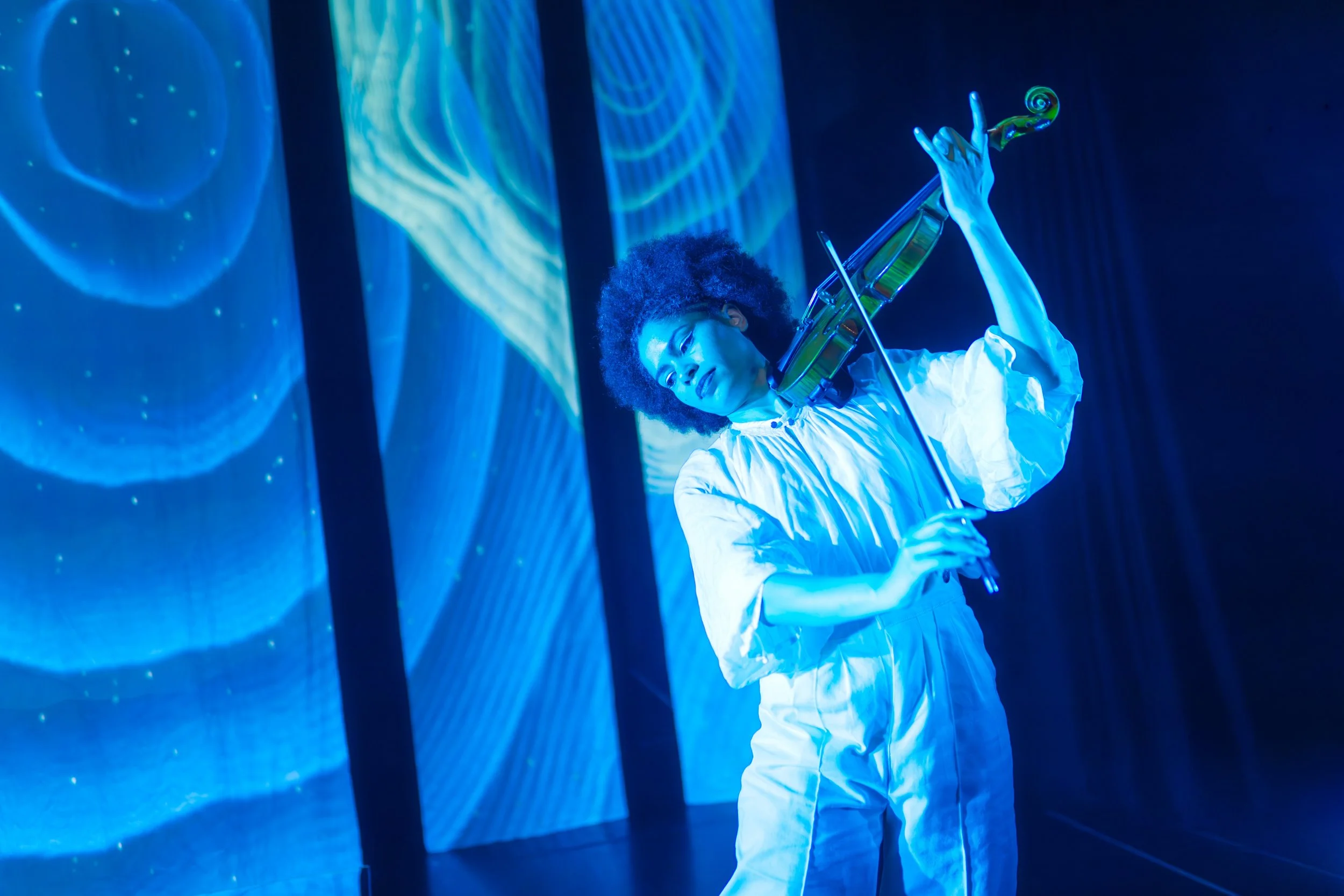
Arcana is a poetic, music-led hero's quest by the French Cameroonian musician, performer, director and educator, Fay Guiffo. I see the theatre piece on the day it opens at the Assembly Roxy on Roxburgh Place. Outside, rainclouds ride low over the converted church. Inside, it’s dim. A few faint lights pick out a slim, still figure, who seems pressed down by the height of vaulted ceilings.
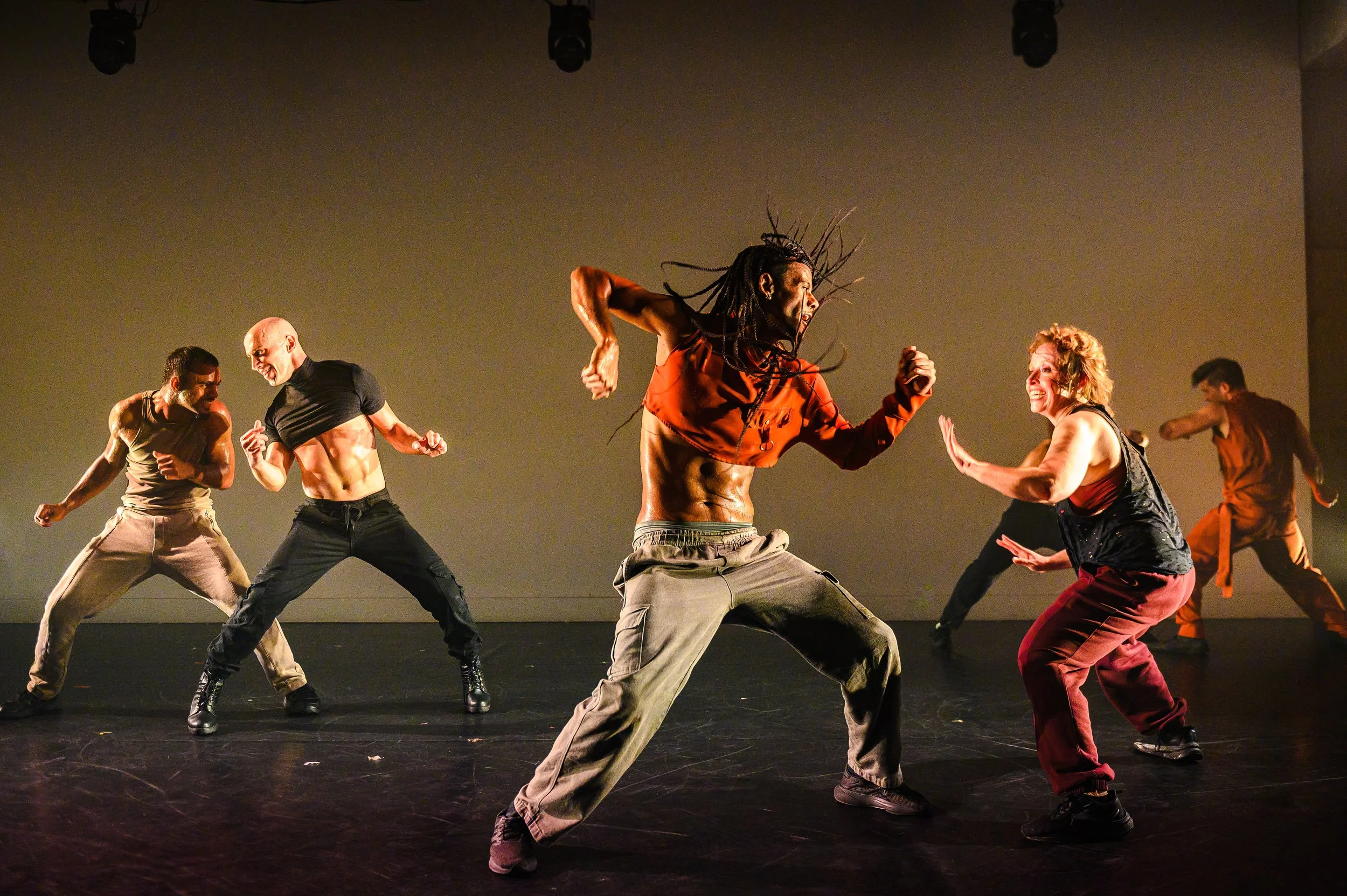
To start, there is print material. Four options, laid out on a small table, for Border Bodies, presented by T.F. Cia de Dança, as part of the São Paulo Showcase. Take only two, I decide – nice print but they will be at the bottom of my bag, soon, and it is good to not be wasteful. Take only what we need, and can. In my hand, I hold them close and they slip slip spin slip upon each other. New.
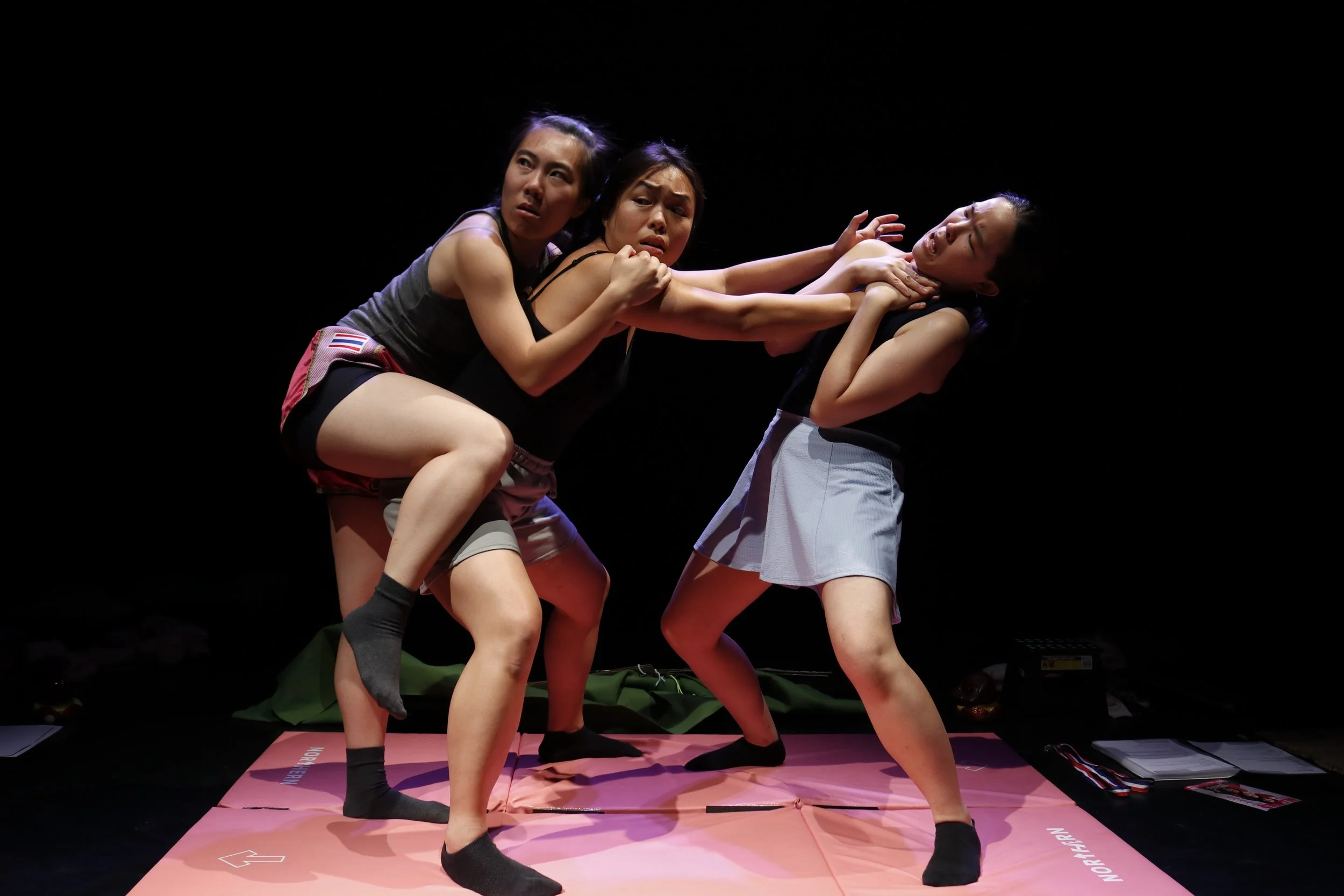
I cannot pinpoint when I started oscillating between anger and despair. Another racist attack in Scotland, another empty statement. Another precarious creative opportunity, another exhausting conversation with an institution. A cycle of feeling unsafe or unheard. As far-right violence became more normalised and the arts remained indifferent, I felt fewer pulses of hope. In the month preceding the Edinburgh Fringe, I flatlined into rage.
A poetic Response to The Masquerade by Jj Fadaka, written by Titilayo Farukuoye.
Takashi Miike's Visitor Q depicts the maximum level of breakdown in a family. This (very) dark comedy opens on a home video sex scene between father and daughter in a seedy motel, progressing through scenes of profound dysfunction as a mysterious visitor (Kazushi Watanabe) comes to stay with the family.
I have always been interested in memory. In my writing practice, I cannot divest memory from culture and inheritance. Obvious personal entry points are the iconography of La Virgen de Guadalupe whose portrait hangs in the house of all my elder family members, or the distinct food culture of my maternal northern México…
Continue Browsing

From starting The Database in 2018 to preserving its legacy today, Fringe of Colour founder and director Jess Brough looks back to where it all began and celebrates another beautiful summer with Artists of Colour at the Edinburgh festivals.
In this Response to Shaparak Khorsandi’s Edinburgh Fringe show Scatterbrain, Shivam Chowdhary describes the joy of watching a performer revel in their ADHD mind, and the ache that comes with finding oneself on the outside of a diagnosis.
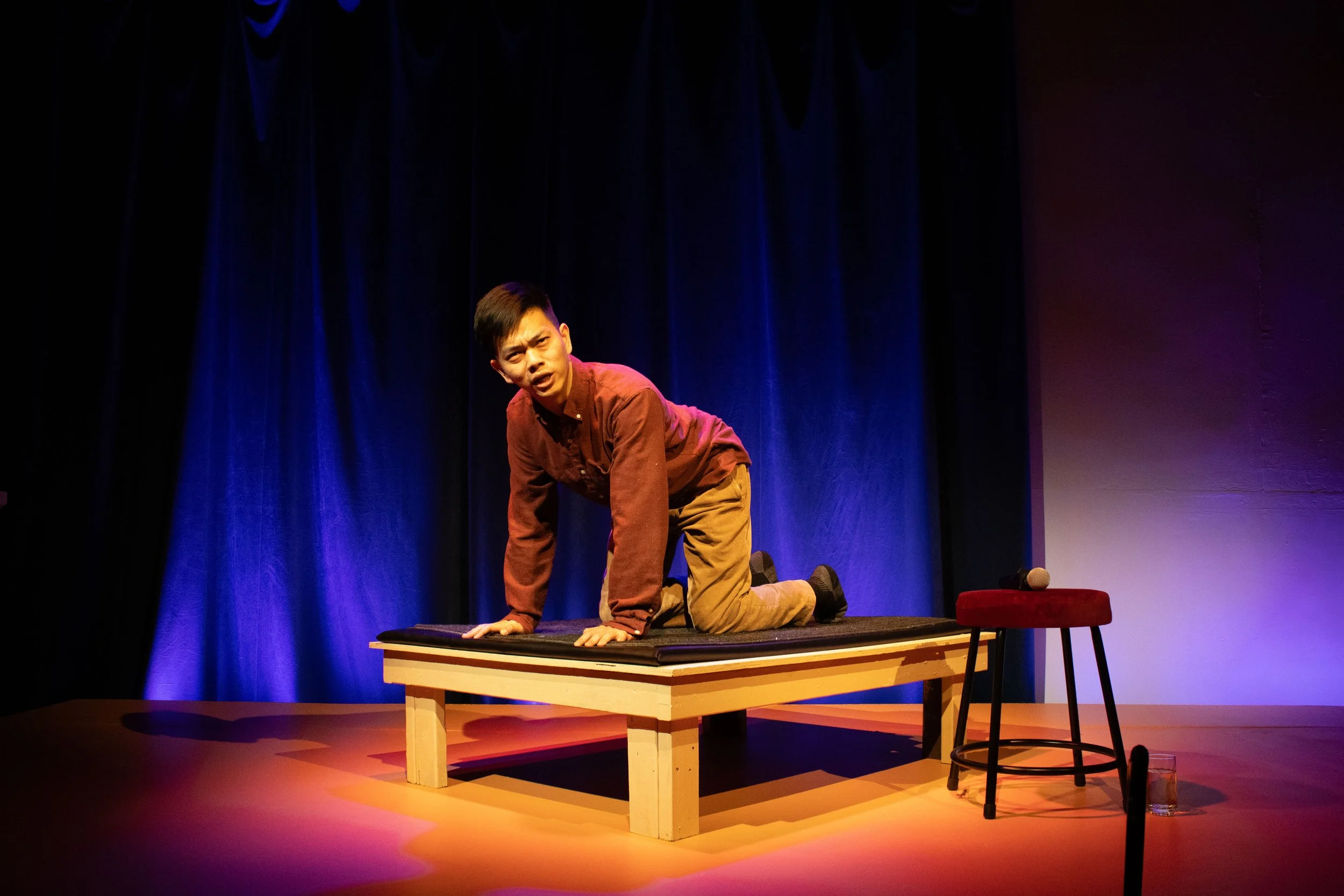
Haneul Lee responds to Falling: A Disabled Love Story by Aaron Pang, exploring the mainstream media’s obsession with disabled bodies and why disabled people get to be seen as “cute” but rarely “sexy.”
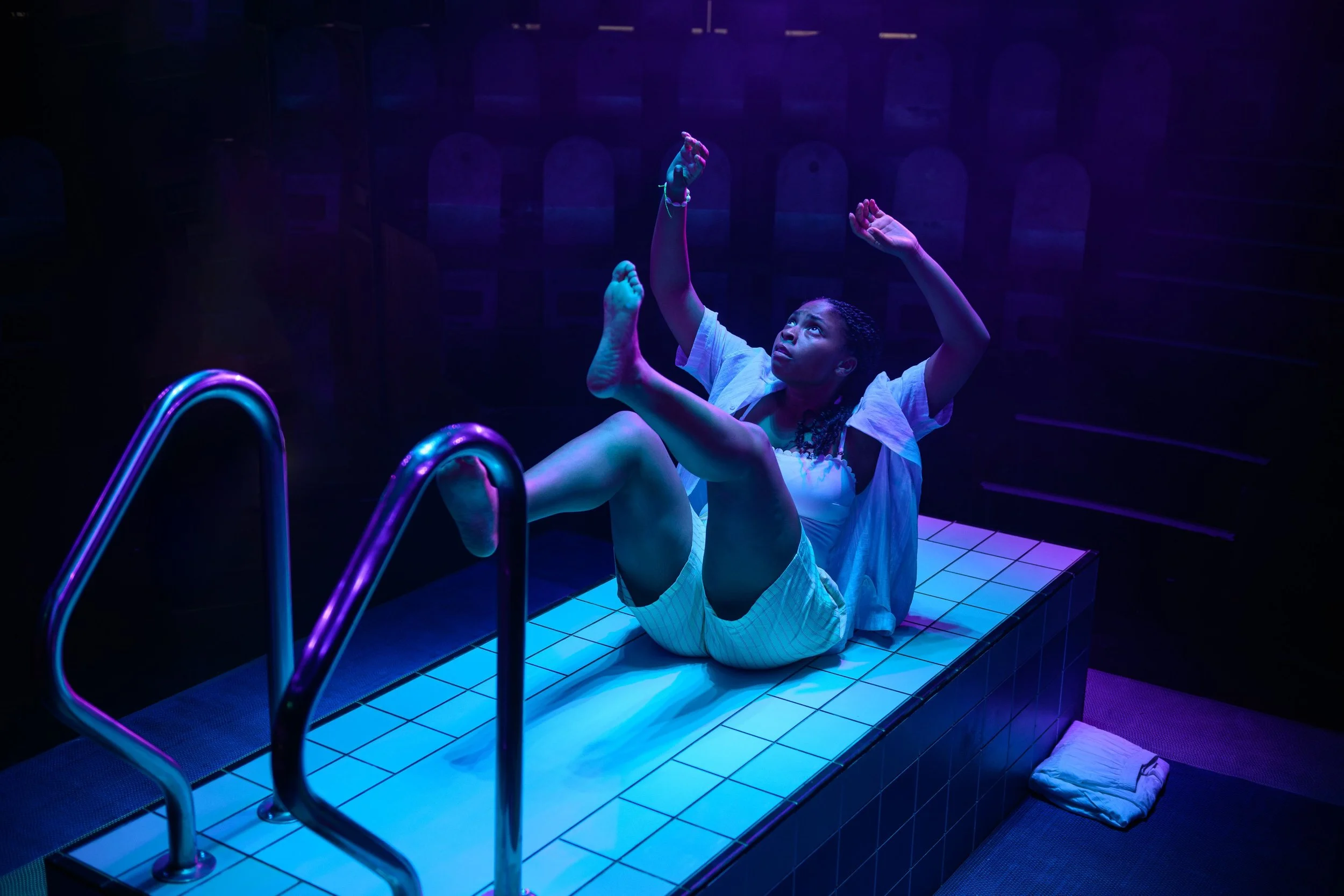
Elete N-F responds to How I Learned to Swim by Somebody Jones, embracing the darkness of water and its properties of healing and communality.

Memuna Konteh responds to Fringe comedy split-bill Ayo Adenekan and Alvin Bang: Abandon God, putting expectations aside to enjoy stand-up that adapts to important societal moments.

Rho Chung interviews theatremakers Diana Feng from Don’t Call Me China Doll and Sierra Sevilla from For the Love of Spam about their Edinburgh Fringe shows, unpacking racial stereotypes, tropes, and the histories that have maintained them.

In this Response to Sleeper by Korean dance group Jajack Movement, Alycia Pirmohamed interrogates the architectures of the dancers bodies amidst the climate crisis, and of her own body in an Edinburgh studio.
Anthony V. Capildeo responds to Precious Cargo, a story about the children affected by Operation Babylift during the Vietnam war, by Australian writer-performer Barton Williams (Huynh van Cuong) and Hebridean composer Andy Yearley (Nguyen Tang).

In this Response to Rat Tails (WIP) by Jeremy McClain, Eilidh Akilade details the journey of art criticism, from the inception of an idea in June, to the witnessing of an Edinburgh Fringe show, before the long bus ride home in August.
Katie Goh responds to A History of Fortune Cookies by Sean Wai Keung, looking back on previous iterations of the performer’s work and of her own writing to find value in repetition.

Xandra Sunglim Burns responds to Charlene Kaye’s show ‘Tiger Daughter or: How I Brought My Immigrant Mother Ultimate Shame’, on music, mothers, and breaking the generational curse of assimilation and propriety.

Anahit Behrooz responds to Cosmos, a solo performance by Palestinian contortionist and aerial acrobat dancer, Ashtar Muallem. “My body is my country,” she explains, minutes into her Edinburgh Fringe show. “After all, the first place we live is our bodies.”

Arusa Qureshi talks to comedian and ex-Vine creator Demi Adejuyigbe about developing his first Fringe show and chasing the process over perfection.

Founder Jess Brough reflects on the value of the Edinburgh Fringe Festival for Artists of Colour and announces a new focus for the Responses project.
Continue Browsing

Thomas Reid discusses taking an intentional approach to audio description, advocating for greater diversity in the voices chosen to convey meaning to disabled audiences.

Theophina Gabriel responds to Alexandrina Hemsley’s Fountain, where a trio of dancers explore tidal cycles of repair, loss, joy and intimacy, expressed through movement and digital imagery.

Xandra Sunglim Burns responds to The Perfect Knight, a film by Stephané Alexandre that shows romance may come when you are least expecting it.

Shivanee Ramlochan discusses Michelle Mohabeer’s Coconut/Cane & Cutlass, a mythic/poetic rumination on exile, displacement, and nationhood from the perspective of an Indo-Caribbean lesbian who migrated to Canada twenty years ago.

Shirine Shah responds to Flesh and Paper (1990), a lyrical exploration of the sense and sensibilities of Indian lesbian poet and writer, Suniti Namjoshi, directed by Pratibha Parmar.

Asyia Iftikhar responds to (Tending) (to) (Ta), a dream-like journey across parallel dimensions that imagines a world without capitalism, by interdisciplinary artist April Lin 林森.

Deborah Chu responds to Mourad Kourbaj’s striking tale of a family escaping the horrors of the Argentine dictatorship and 'La Junta Militar' in Una Muerte y Un Nacimiento//A Death and A Birth.

Nasim Rebecca Asl responds to Violeta & Sofia, a film by Noah Berhitu and Alejandra Rogghé Pérez on the power of food to maintain generational links to culture and place after migration.

Eilidh Akilade
Her hands bloom outwards again and again. Another’s hands clasp mid-air before sinking to the right, sweetly. One hand – of another, still – holds their fingers tightly and then suddenly detaches, spinning out in circles. And the left hand of another comes under the right and it is held, supported, by that which is its sistren, its brethren. It relaxes before springing upwards, fingertips splaying, signally a new thought for Maud Sulter and for us all.

Elete N-F
What is best communicated through dance? Perhaps the fragile but sturdy balance between humans and the natural word. Madeline Shann invites us to think as much through her sensorially stunning film The Spring, a visual and sonic unwrapping of spring through dance.

Vrinda Jagota
Mohammedally Shushtari’s film Can Be beautifully shows all of the emotional complexities of two siblings, a brother and sister, Noura and Faiz, grappling with their father’s death. Each embodies conflicting emotional responses, clearly feeling misunderstood by the other. But, as each character learns to accept the other’s feelings, they map a path towards not only empathy for their sibling, but also a more holistic healing experience for themselves.
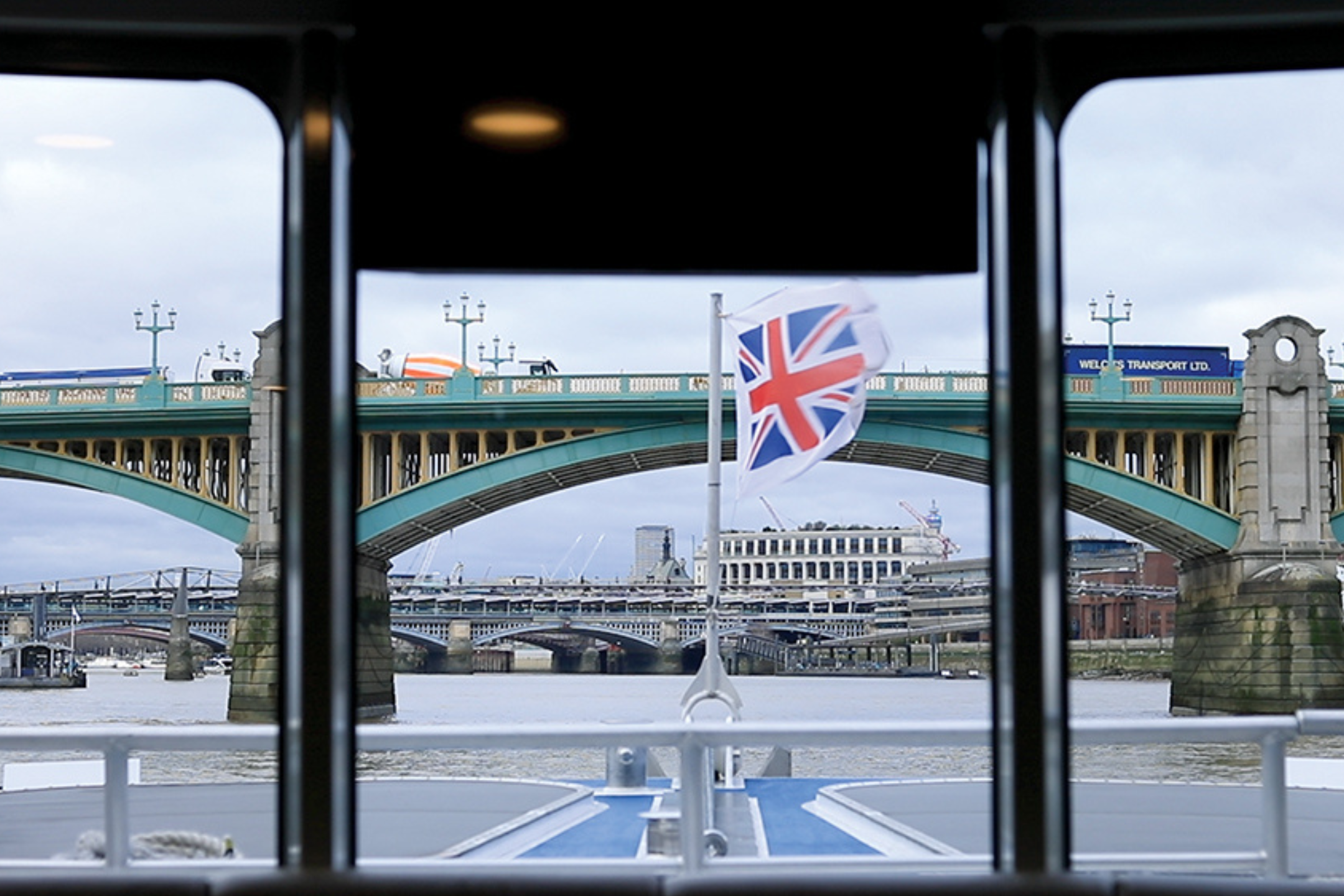
Hayley Wu (胡禧怡)
“It feels like there’s no good place to be these days,” my friend tells me over lunch. We are in a quiet corner of Hong Kong, thinking about the dozens of friends and acquaintances who in the past year have left the city, looking for a new home. From what we hear, no one has found one elsewhere yet.

Radha Patel
The opening scene of Cecilia Lim’s audiovisual poem, Pagpapa(-)alam: To Wish You Well, So You Know shows a care worker helping their elderly patient walk down a street. It is an image that feels hopeful; the future reflected in the present. Tenderly shot in Queens, New York, and captioned in three languages, Tagalog, Spanish and Bangla, the three and a half minutes that follow juxtaposes images of women from these communities cooking, caring and praying for each other.

Katie Goh
We Are Nature is not a pandemic film. There are no references to lockdown or to social distancing or to government-mandated once-a-day walks. Instead, it is a short film that captures People of Colour in nature during golden hour. Director of Photography Linda Wu roams with a camera, following people in trailing skirts and billowing dresses as they walk through fields and sit by trees. In voiceover, different people contemplate their personal relationships to the natural world.

Memuna Konteh
Journeying through dense forest into open fields, Mojereoma Ajayi-Egunjobi calls on Omolore, her mother’s mother who she never knew. She does not need a conversation partner, but a witness, an accomplice on a path paved with pain and promising freedom. Dear Omolore is testament to the power of poetry and film to distil otherwise indigestible emotions.

Ojo Taiye
I was a thirsty traveller in the bustling city of Benin, Nigeria, when I was sent Back on Home Soil to watch. At first, unable to wait, I skipped through the reel, and then finally home, sitting in my parlour after dinner, I settled to watch it.

Memuna Konteh
Michael Jenkins’s short film, Pickney, is a haunting yet uplifting story about the unifying power of grief and the complexities of mixed-race identity. It follows teenager Leon, a mixed-race Bristolian with few ties to his Caribbean heritage outside of a close relationship with his nan, Pam, the mother of his estranged father, David.
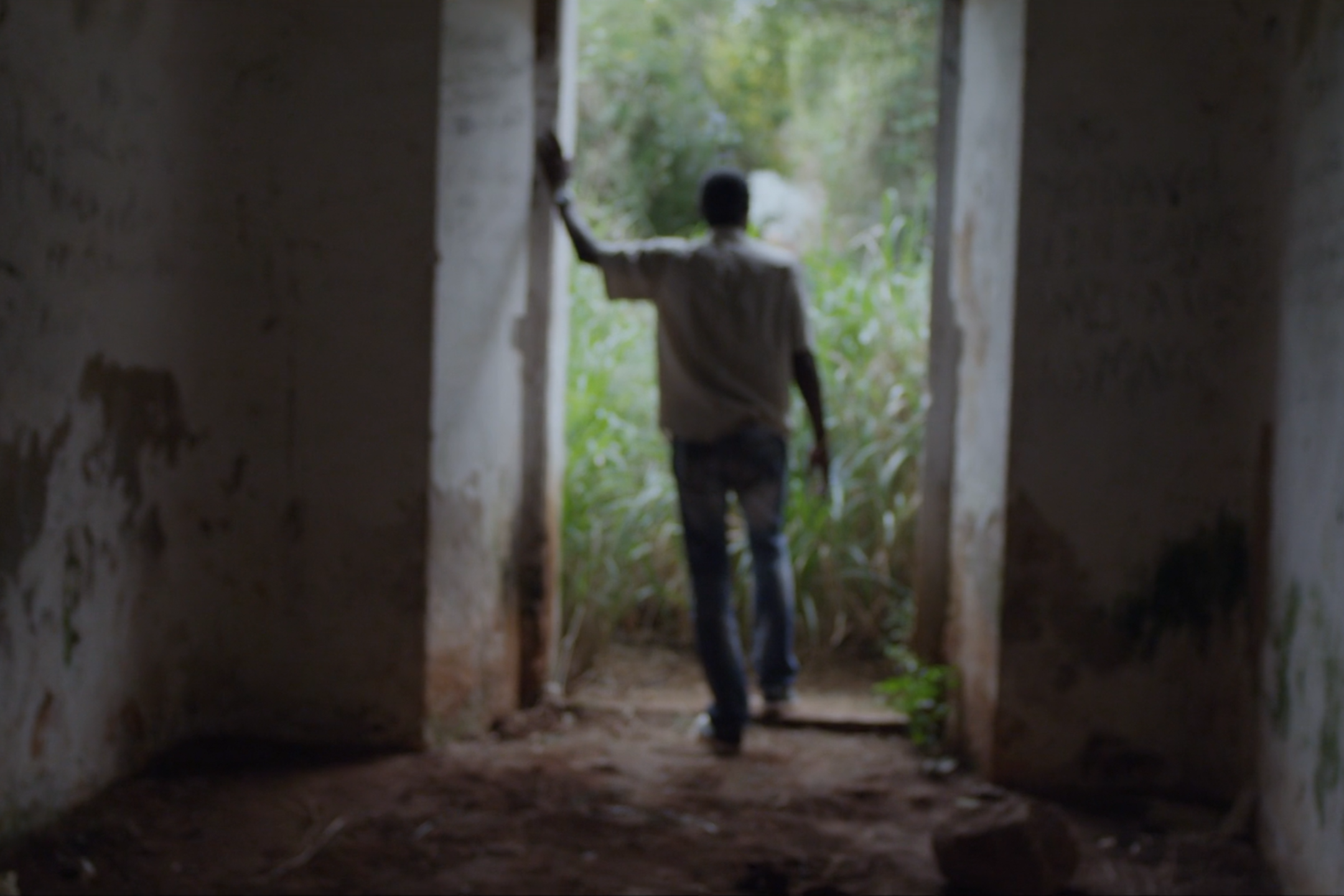
Andrés N. Ordorica responds to Batería, a film by Damián Sainz Edwards that captures the raw beauty of a disused military base just outside of Havana, a refuge for gay men for cruising, connection, and imagining better futures.

Eilidh Akilade
It is left unsaid: Drexciya. I clasp it in my hands and it is as if I have held it before.
Drexciya rests on the seabed, beneath the ripples and the tides. From ships, the pregnant Africans were thrown overboard, their children then birthed into the sea. The water babies swam down and made their world at the very bottom. Drexciya.

Georgina Quach
Still We Thrive, written and directed by Campbell X, ensures we never look away from the past. It brings together contemporary Black actors speaking to camera with archive footage of Black history from the Caribbean, United Kingdom, United States and the African continent. As poet Elizabeth Alexander said, for so long, communities of colour have had to “carry around knowledge and stories in our bodies,” because resources were not devoted to preserving the spaces that held those stories and culture.

Arusa Qureshi
Beyond the constructs and confines of gender, the divine feminine exists deep within us all. It’s the energy that allows for compassion, nurturing and devotion; an embracing of softness and stillness in all its varying guises. In Danny Bailey’s short film Soft Bwoi, the notion of the divine feminine is beautifully encapsulated through the use of folklore and imagery from Caribbean carnival culture and queerness.

Georgina Quach
In Suffocation, sunlight feels harsh. Harsh in the sense that we have been kept in the dark for too long. We, scarred by racism and empire, welcome the sun: it exposes “colonial dust” – what is left in the wake of the bombs, deforestation and destruction used to maintain the mythscape of colonialism.

Theophina Gabriel responds to GRIN by Mele Broomes, a digital fruition of performance, sound, visuals and choreography, subverting hyper-sexualised notions of African and Caribbean dance.
Continue Browsing
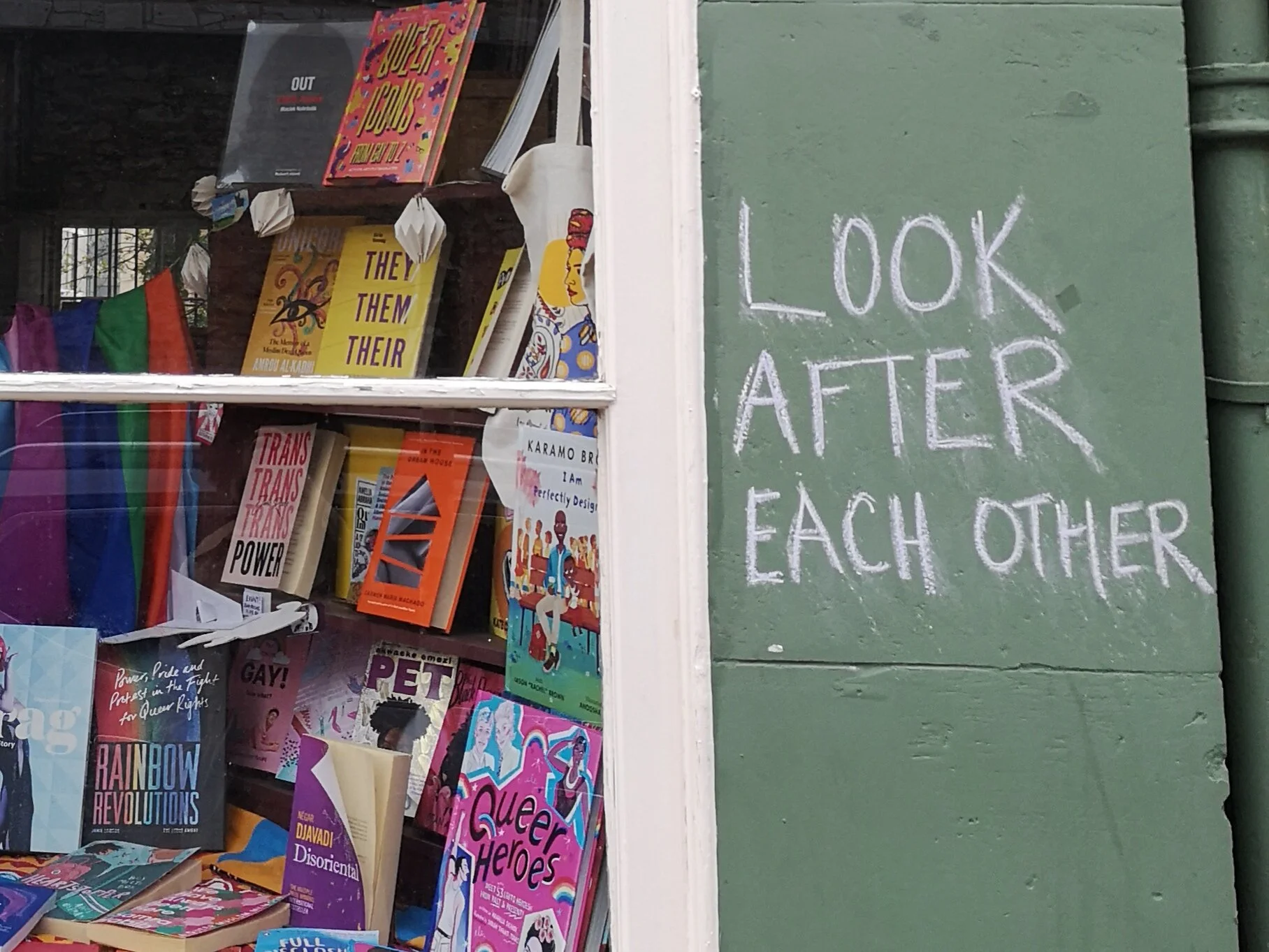
Fringe of Colour Founder and Director Jess Brough tentatively asks “What do you make, when the world is ending?” and lays out plans for the 2021 festival.

Theophina Gabriel responds to black queer nature poem for khadijah (and all of us), a gentle performance film by Mae Diansangu and one of Fringe of Colour’s 2021 commissions.

Kieren-Paul Brown responds to The Elephant in the Room, a powerful mediation on colonialism and racism, written by Alix Harris and produced by Helen Bovey for Beyond Face CIC.

Xandra Robinson-Burns responds to Concept-tions, a film by Nicole Cyrus who explores connections to objects and to what makes them who they are, from both an outsider’s view and from within.

Memuna Konteh responds to schwarz (Black), a documentary by Amuna Wagner that intertwines poetry, photography and film to present a series of intimate and stimulating conversations between 17 young, Black Germans.

Nathaniel Brimmer-Beller responds to Agudas, a film by Amber Akaunu that tries to make sense of a painful family history linking Afro-Brazilians to Nigeria, mixing poetry, animation and the archive.

Memuna Konteh responds to Blue Corridor 15 – Dubheasa Lanipekun’s candid short film about three Black girls navigating the complex and hostile environment that is secondary school.

Rho Chung responds to Selkie, a visually sumptuous short film exploring issues of identity and belonging through visual and oral storytelling, by collaborative siblings Niall and India Moorjani.

Elete N-F responds to Clifford, a comedy short by Corinne Walker with a 70-year old Jamaican protagonist navigating life in a house-share in Bristol.

Asyia Iftikhar responds to Space 2: We’ve Come A Long Way, a music and visual experience by Paix and a Fringe of Colour 2021 Commission.

Anahit Behrooz responds to Mahenderpal Sorya’s experimental film Saeculum, which beautifully explores his father’s life’s work in the construction industry, migration and parenthood.

Xandra Robinson-Burns responds to On The Surface, an animated film by Fan Sissoko that follows a young Black woman swimming in the Icelandic sea and reflecting on her experience of having a baby in a country that feels nothing like home.
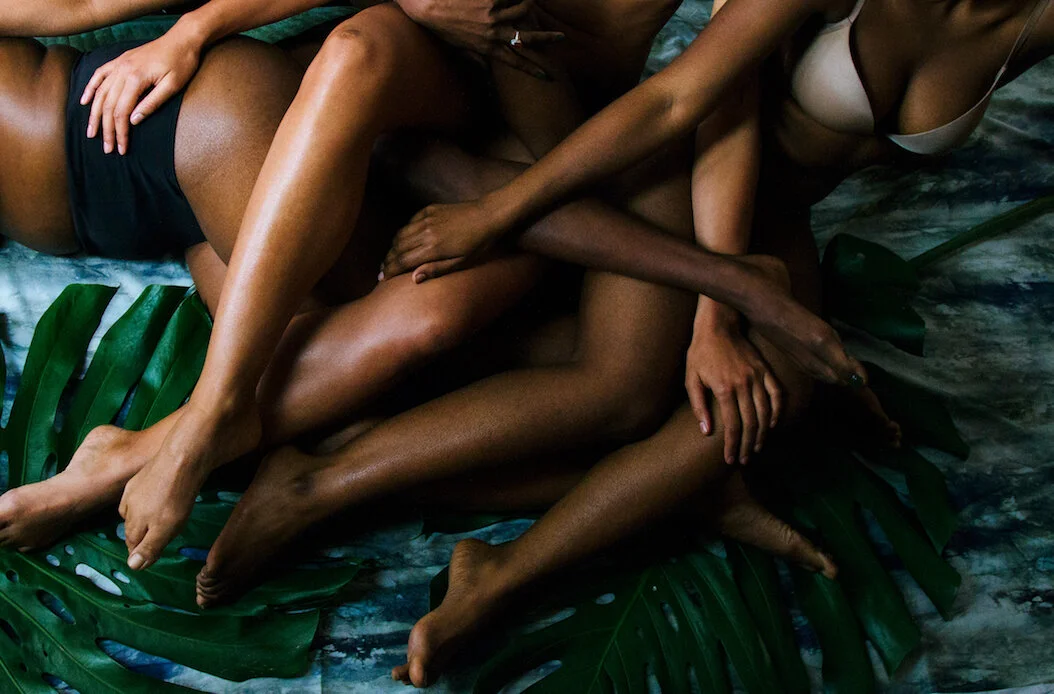
Elete N-F responds to Muttererde by Jessica Lauren Elizabeth Taylor, which asks “what are rituals, teachings and abilities passed on from our matriarchs?”

Theophina Gabriel responds to Black Exodus by Daniel Bailey, a powerful political documentary that captures the seemingly eternal and yet fragmented sense of diasporic yearning.

Georgina Quach responds to Margot Conde Arenas’ Aunque Me Vaya Lejos (Even If I Go Far), which shares the stories of Venezuelan immigrants, refugees and ‘caminantes’ (walkers) in their own voices.

Andrés N Ordorica responds to Velvet by Ofem Ubi, a poetic appreciation of his grandpa in the form of a gentle and introspective black and white film, focusing on texture, routine and ageing.

Anahit Behrooz responds to Yuluu by Fatima Kried, which, through a beautifully stripped back animation style, looks back at the story of a young woman stranded in Beirut during the abrupt start of the 2006 war.

Asyia Iftikhar responds to Transitions II: Moment in Isolation, a film by Tobi Adebajo that pushes the boundaries of bold, rich and wistful storytelling and depicts the daily realities of living with chronic pain.

Hayley Wu (胡禧怡) responds to Spring Steps by Hazel Lam who, through serene episodic dances, tries to establish a relationship with a Hong Kong she no longer recognises after a long time away.

Andrés N Ordorica responds 5 WAYS 2 RUN, a Jasmine Kahlia Multidisciplinary Installation Piece featuring original electrifying music, spoken word and striking citscapes.

Xandra Sunglim Burns responds to Aleta, a film about a young woman who sits down with her therapist to explore her tumultuous feelings, by Josh Bridge.

Rho Chung responds to Hypnagogia Glossolalia, a film by Sekai Machache who presents a stunning combination of dance and several spoken word poetry pieces narrated in both Gaelic and Shona.

Founder and Director Jess Brough welcomes audiences back for the second year of Fringe of Colour Films and makes a case for protecting the arts amidst government cuts.
Continue Browsing

Hayley Wu (胡禧怡) responds to Jinling Wu’s short film One Day Summer Collapses into Autumn, in which cognitive neuroscientist Lee relocates to Scotland, facing inevitable changes in his personal life and an uncertain future.

Theophina Gabriel responds to Bloom, a queer Kenyan pole dancer’s surreal adaptation of Shakespeare’s A Midsummer Night’s Dream by A.T, and a Fringe of Colour 2020 Commission.

Lisa Williams responds to The Drift by Hannah Lavery, a poetic journey through history, Scottishness, belonging and grief, and a Fringe of Colour 2020 Commission.
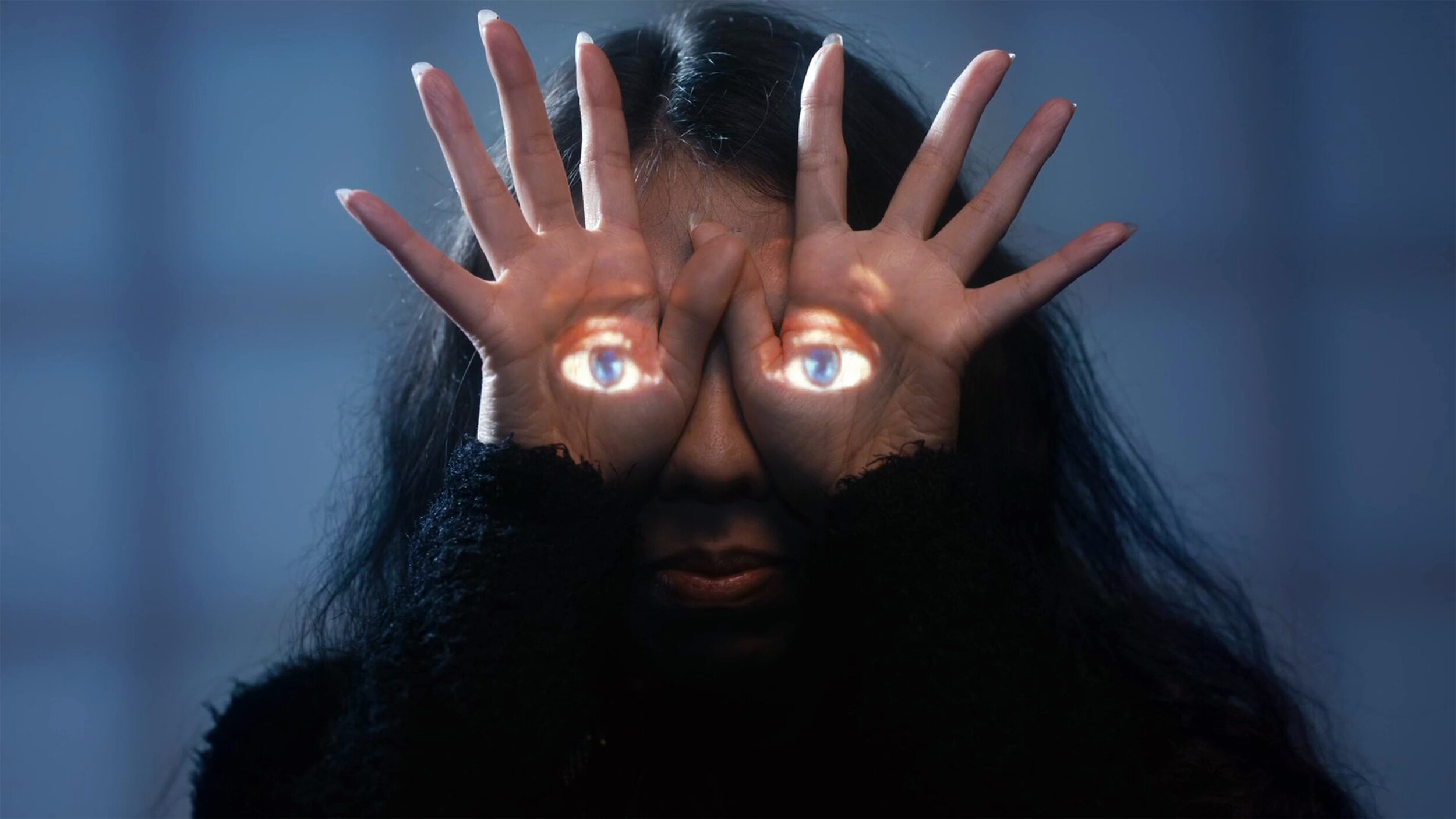
Xandra Sunglim Burns responds to Where Are You From? by Sophie Gresswell, who searches for an answer to this eponymous question by looking back over three generations of her family.
Caleb Azumah Nelson writes this guest editorial to tell us what’s in store for Week 4 of Fringe of Colour Films 2020.

Raman Mundair responds to A Service in Committing to Love Manifestations of Love and Solidarity #2, a dance film by Mele Broomes combining bright luscious colours, music and movement, and a Fringe of Colour 2020 Commission.

Georgina Quach responds to Silk, a filmic poem by Martha Williams that provides a manifesto of defiant beauty, made as part of the Sorry I Was on Mute series.

Sadatu Futa responds to there is rice at home, a take on the irreverent shitposting zeitgeist media machine, created by Alegría Adedeji.

Nathaniel Brimmer-Beller responds to Mind Tricks, a short film by Robert Hatton of a man in lockdown with extra time on his hands, choosing to learn a new skill, and Mint by Sheyamali Sudesh, a moving image discussing the parameters of control.

Memuna Konteh responds to Race Cards, a filmic re-production of an in-person installation and performance piece by Selina Thompson, created as a Fringe of Colour 2020 Commission.

Andrés N Ordorica responds to Bitter Earth, a film by Nile Price that uses metaphor to explore depression - a man sitting at the edge of a pier, defeated and looking for a way out.

In this guest editorial, Accessibility Director Jojo Fell lays out what’s in store for Week 3 of Fringe of Colour Films 2020.

Theophina Gabriel talks about the vasts possibilities of virtual theatre, from access to imagination.
Alycia Pirmohamed dives into the programme of work for Week 2 of Fringe of Colour Films 2020 in this guest editorial.
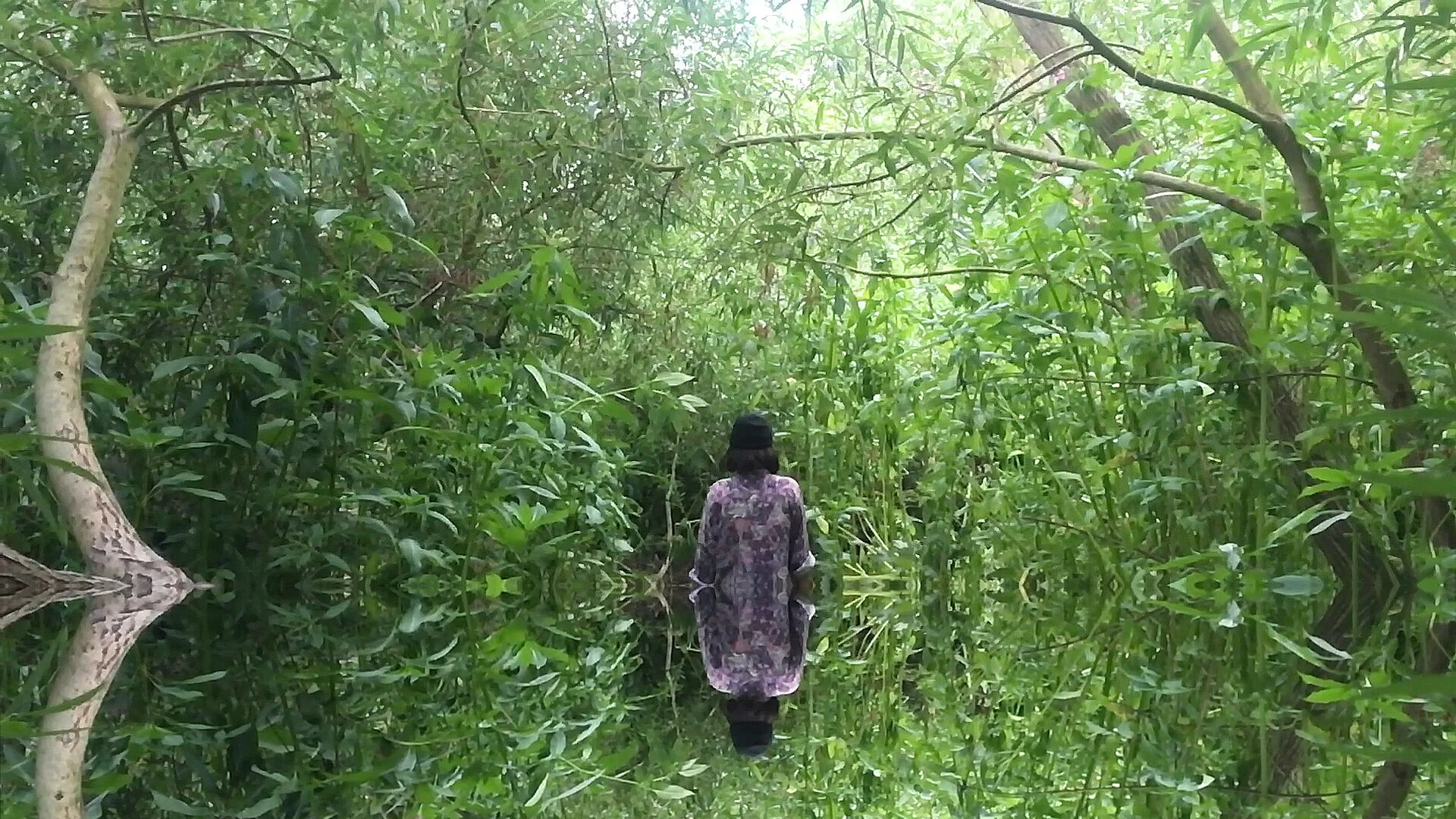
Asyia Iftikhar responds to plant portals: breath, a film by Nicky Chue who presents an experimental meditation on the concept of “rest” and asks: “Can nature heal us?”

Katie Goh responds to FORTUNE online, in which sean wai keung adapts his stage performance about navigating Western and Eastern identities.

Elete N-F responds to CLUB, a vibrant exploration of queer black women forging space for themselves against the landscape of London's nightlife, by Esme Allman.

Founder and Director Jess Brough introduces the inaugural year of Fringe of Colour Films and gives an overview of what’s in store for Week 1 of the online arts festival.

Raman Mundair interviews People of Colour affected by loneliness and isolation during the COVID-19 lockdown, and asks how we can support each other.

Rho Chung discusses the differences between engaging with theatre virtually and in-person, asking if it is possible to truly connect from home.

Elete N-F questions how the landscape of theatre and performance art will be changed in the wake of the COVID-19 pandemic and reignited discussions of racism and injustice.

Xandra Sunglim Burns gives advice on how to enjoy virtual theatre screenings during lockdown.