Heir of the Cursed, human to the last
Responding to Bel (dir. Louise Lockwood, 2026) at the Edinburgh International Film Festival
Teenage Beldina Odenyo's face fills the screen. "I suppose if anything ever happens to me,” she says, “it would be good if somebody found this and basically understood how I was feeling."
Watching the opening of the feature film Bel, I felt like a witness to a prophecy: Odenyo ended her life just as her star was about to shoot. Taken from her early vlogs and filmed years before her time as a luminary of Glasgow's music scene, performing under the moniker Heir of the Cursed, Odenyo’s adolescent words are offered as an invitation: the video has been found, will we try to understand her?
This invitation is accepted by director Louise Lockwood and executive producer Leah McAleer – who is also Odenyo’s older sister. The documentary follows McAleer as she prepares the artist's musical archive – or "PASSABLE DEMOS" as Odenyo had filed them – for release as a posthumous debut album. Odenyo's music is weaved throughout, clipped from videos of live performances and her own grainy phone recordings. Her vibrato is fast, rattling her long, mournful notes; her arpeggiated guitar drips with reverb. It's Billie Holliday and Radiohead meeting at a blues jam.
The journey from PASSABLE DEMOS to the release of the album Heir of the Cursed takes us through Glasgow's gig circuit and the family, friends and colleagues who adored Odenyo. Through their memories, a story of the artist emerges: a childhood in Kenya, with a damaging relocation to Scotland; siblings who loved her but at times overlooked her pain; racism and the suffocation of difference at her school in Lockerbie, where hers was the only Black family. Also, lifelong friendships, gentle loves, and the joy of Govanhill (or “Scottish Harlem”, as she called it). Much of her journey to adulthood felt familiar. For me, Scotland has always been a place of open hearts, strong community, and opportunity. But it comes with an acceptance of a certain isolation that is at times irritating, and at others violent. I could sense the tension that comes from loving a place that loves you back, but capriciously. Despite this, Odenyo was always relentlessly creative and committed to her craft, which was finally met in later years by seemingly limitless professional respect. By the end, I saw a woman with a deep well of talent and emotion, into which she jumped, and fell, and fell, and fell.
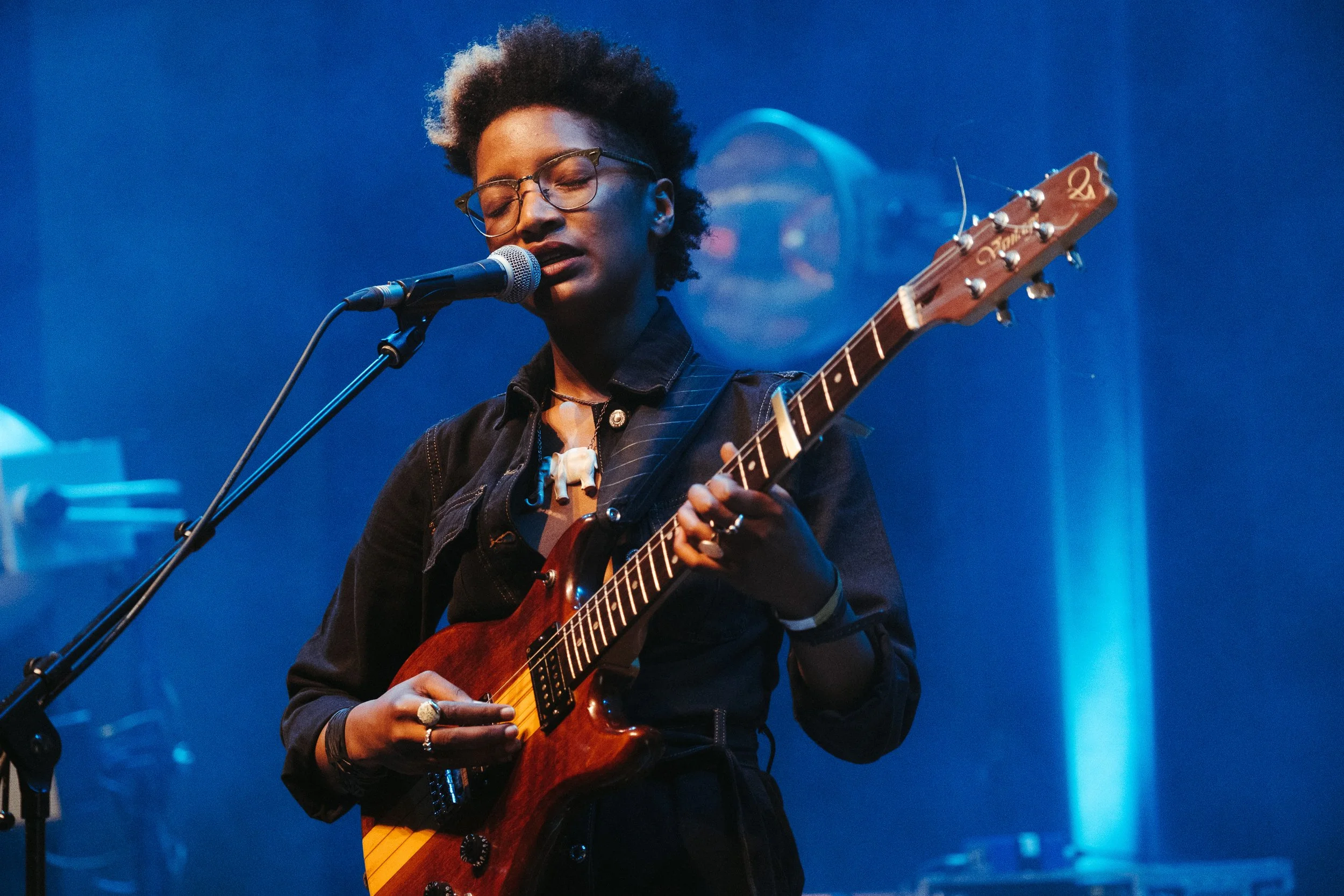
Beldina Odenyo/Heir of the Cursed at the SAY Awards in 2019 | Euan Robertson Photography
Her death by suicide should have come as no surprise; it was mentioned in the film’s synopsis. Yet I was arrested by the moment it happened. The film stilled: a silent pause, cycling through the faces of Odenyo’s loved ones as they relived the day. I was perplexed: surely not? Surely not Beldina – she’s loved. She’s a star.
The unexpected turn of this film is a respectful adherence to Odenyo's invitation to understand her feelings. It takes my confusion and my maudlin desire for details and redirects it. Bel is not a whodunnit. The question is never Why did Beldina kill herself? She does not owe me an explanation. Instead I’m led to wonder who Beldina was – as an artist, but also as a young, defiantly gifted Black woman – and to grapple with the pain she poured into her lyrics, as well as the emotional world that she shared with those close to her. This redirection is achieved through skillful use of Odenyo's archival footage, pairing video footage from her live performances, jams, home studio, and home movies, with memories retold by friends and family. There is no disembodied narrator framing the story, and there are no expert interviews from psychologists, social workers or teachers who might have an impersonal, ‘official’ opinion on how she lived her life.
I was touched by the respect this structure offered her, allowing me to meet her on her terms as someone with the potential for infinite outcomes, as opposed to as a character in a story with a beginning, middle, and predetermined end. I think that the Odenyo I met over the film’s duration had a great capacity for joy. That she used music to honour, but not wallow in, her sadness. That she also used it to lift others out of theirs. I think she was determined, and decisive.
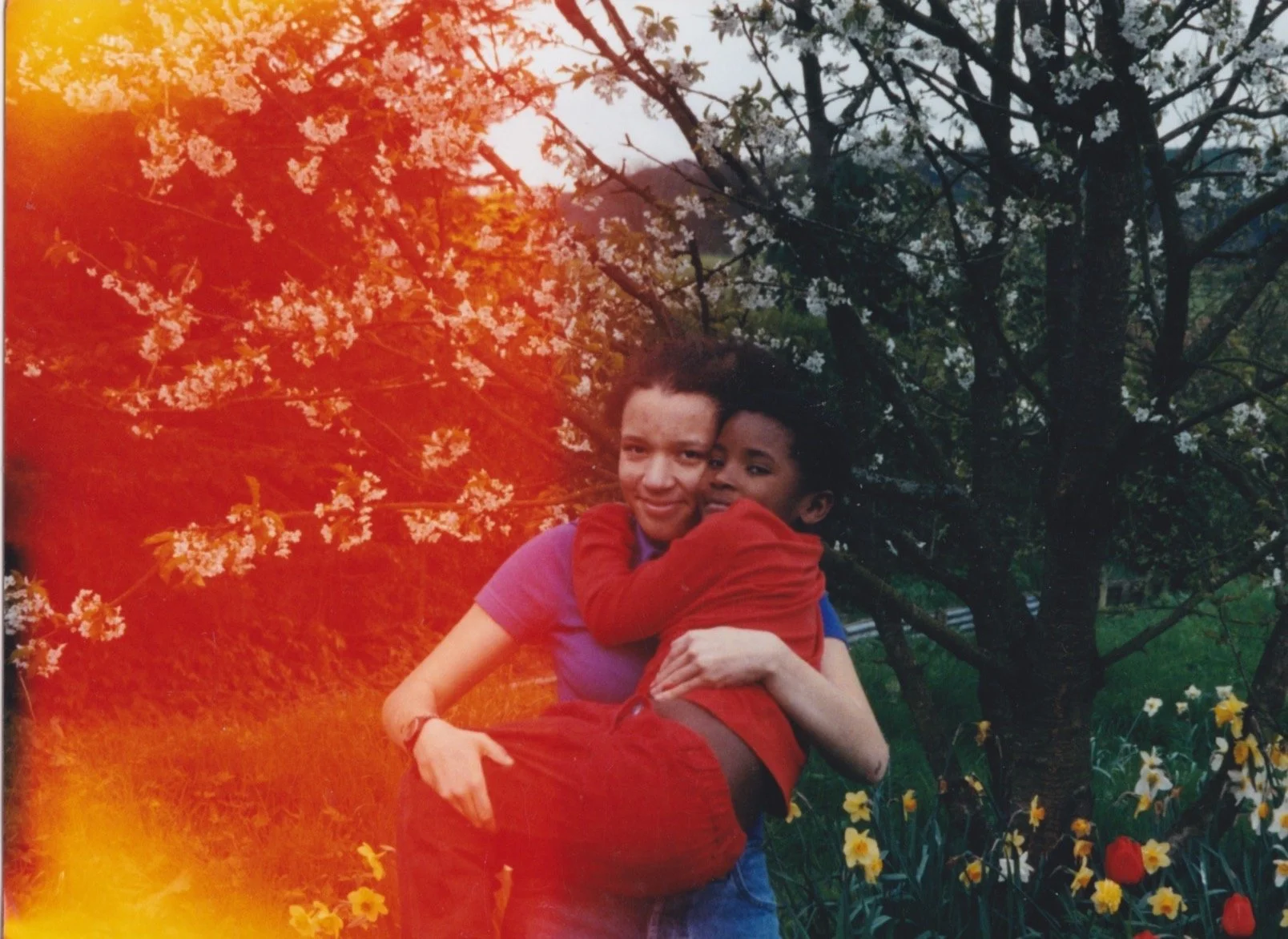
Beldina Odenyo with her sister (and Bel producer) Leah McAleer as children | Courtesy of the family and Hopscotch Films
I share in the impulse to find out why someone ended their life, and I’m grateful the film challenged me to move past this instinct, which I now realise to be a false logic. Underlying is the assumption that if we can understand why it happened, we can learn what might have stopped them and who, therefore, is “responsible” for failing to, as if so neat a conclusion could ever be drawn. This process is about attributing blame, and with blame comes guilt. Whilst it is a normal interrogation to perform in reaction to grief, I think the value of guilt in healing is limited. Once more, by turning to the “who” of Odenyo, Bel moves through questions of guilt with grace. In the film, Odenyo's friends reflect on what they did to support her at the time without leaning into self-flagellation. Importantly, her death isn't seen as the inevitable conclusion of a difficult life, nor as the avoidable fault of others. It is a framing that validates Odenyo's agency.
It is an idea I have found difficult to articulate. How do I show respect for someone's choice to end their own life? Is it disrespectful to even call it a choice? I don’t have an answer, but Bel makes it clear to me that to reduce Odenyo’s life to her final act would not only be foolish, but an injustice robbing her of her boundless humanity. I can respect Odenyo herself by working to understand her life on her own terms. To understand her end, I have to understand the rest, because her humanity lay in her totality. Odenyo was not an object to be fixed. She was by halves constrained and carefree, and demanded regard. Bel was human to the last.
Bel is screening at Filmhouse Edinburgh from 4 — 11 September (tickets here) and throughout Scotland in select cinemas till the end of the month.
If you or anyone you know is struggling with suicide or self-harm, please reach out to the Samaritans.
This Response was narrated by Selali Fiamanya, with sound editing by Sarya Wu.