

Excavating childhood from the chaos of conflict
Anthony V. Capildeo responds to Precious Cargo, a story about the children affected by Operation Babylift during the Vietnam war, by Australian writer-performer Barton Williams (Huynh van Cuong) and Hebridean composer Andy Yearley (Nguyen Tang).

Longing for a child and waiting for a moment
In this Response to Rat Tails (WIP) by Jeremy McClain, Eilidh Akilade details the journey of art criticism, from the inception of an idea in June, to the witnessing of an Edinburgh Fringe show, before the long bus ride home in August.

History repeats itself at the Edinburgh Fringe
Katie Goh responds to A History of Fortune Cookies by Sean Wai Keung, looking back on previous iterations of the performer’s work and of her own writing to find value in repetition.

Charlene Kaye: A Rockstar breaking generational moulds
Xandra Sunglim Burns responds to Charlene Kaye’s show ‘Tiger Daughter or: How I Brought My Immigrant Mother Ultimate Shame’, on music, mothers, and breaking the generational curse of assimilation and propriety.

To fall and find a country in the home of your body
Anahit Behrooz responds to Cosmos, a solo performance by Palestinian contortionist and aerial acrobat dancer, Ashtar Muallem. “My body is my country,” she explains, minutes into her Edinburgh Fringe show. “After all, the first place we live is our bodies.”

Demi Adejuyigbe side-steps perfection and lands on his feet
Arusa Qureshi talks to comedian and ex-Vine creator Demi Adejuyigbe about developing his first Fringe show and chasing the process over perfection.

Editorial: Fringe of Colour returns with a new (and old) mission
Founder Jess Brough reflects on the value of the Edinburgh Fringe Festival for Artists of Colour and announces a new focus for the Responses project.

Screen Representation Through Audio Description
Thomas Reid discusses taking an intentional approach to audio description, advocating for greater diversity in the voices chosen to convey meaning to disabled audiences.

Finding poetry below the surface
Theophina Gabriel responds to Alexandrina Hemsley’s Fountain, where a trio of dancers explore tidal cycles of repair, loss, joy and intimacy, expressed through movement and digital imagery.

Smitten for a rom-com’s quest for connection
Xandra Sunglim Burns responds to The Perfect Knight, a film by Stephané Alexandre that shows romance may come when you are least expecting it.

Allowing waters and truths to sluice in
Shivanee Ramlochan discusses Michelle Mohabeer’s Coconut/Cane & Cutlass, a mythic/poetic rumination on exile, displacement, and nationhood from the perspective of an Indo-Caribbean lesbian who migrated to Canada twenty years ago.

Moving through manipulated pasts
Shirine Shah responds to Flesh and Paper (1990), a lyrical exploration of the sense and sensibilities of Indian lesbian poet and writer, Suniti Namjoshi, directed by Pratibha Parmar.

Longing for the homelands of our imagination
Asyia Iftikhar responds to (Tending) (to) (Ta), a dream-like journey across parallel dimensions that imagines a world without capitalism, by interdisciplinary artist April Lin 林森.

Speaking back to silence
Deborah Chu responds to Mourad Kourbaj’s striking tale of a family escaping the horrors of the Argentine dictatorship and 'La Junta Militar' in Una Muerte y Un Nacimiento//A Death and A Birth.

The taste of a mother tongue
Nasim Rebecca Asl responds to Violeta & Sofia, a film by Noah Berhitu and Alejandra Rogghé Pérez on the power of food to maintain generational links to culture and place after migration.

To hold, to touch and to shape Black Scottish history
Eilidh Akilade
Her hands bloom outwards again and again. Another’s hands clasp mid-air before sinking to the right, sweetly. One hand – of another, still – holds their fingers tightly and then suddenly detaches, spinning out in circles. And the left hand of another comes under the right and it is held, supported, by that which is its sistren, its brethren. It relaxes before springing upwards, fingertips splaying, signally a new thought for Maud Sulter and for us all.

Seasons of nature
Elete N-F
What is best communicated through dance? Perhaps the fragile but sturdy balance between humans and the natural word. Madeline Shann invites us to think as much through her sensorially stunning film The Spring, a visual and sonic unwrapping of spring through dance.

When love sits between us
Vrinda Jagota
Mohammedally Shushtari’s film Can Be beautifully shows all of the emotional complexities of two siblings, a brother and sister, Noura and Faiz, grappling with their father’s death. Each embodies conflicting emotional responses, clearly feeling misunderstood by the other. But, as each character learns to accept the other’s feelings, they map a path towards not only empathy for their sibling, but also a more holistic healing experience for themselves.
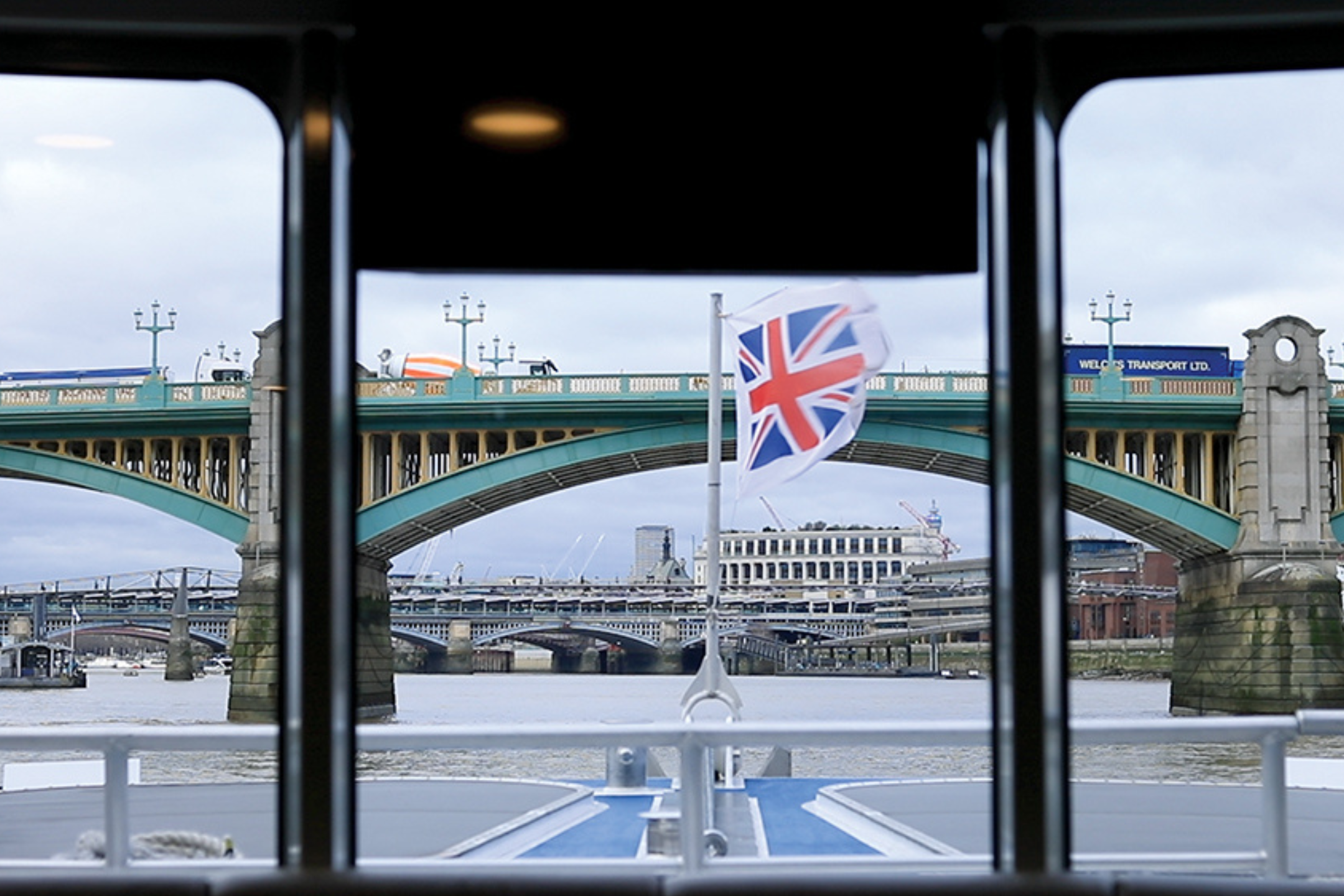
Home is the horizon
Hayley Wu (胡禧怡)
“It feels like there’s no good place to be these days,” my friend tells me over lunch. We are in a quiet corner of Hong Kong, thinking about the dozens of friends and acquaintances who in the past year have left the city, looking for a new home. From what we hear, no one has found one elsewhere yet.

Finding sacrality in the city
Radha Patel
The opening scene of Cecilia Lim’s audiovisual poem, Pagpapa(-)alam: To Wish You Well, So You Know shows a care worker helping their elderly patient walk down a street. It is an image that feels hopeful; the future reflected in the present. Tenderly shot in Queens, New York, and captioned in three languages, Tagalog, Spanish and Bangla, the three and a half minutes that follow juxtaposes images of women from these communities cooking, caring and praying for each other.