
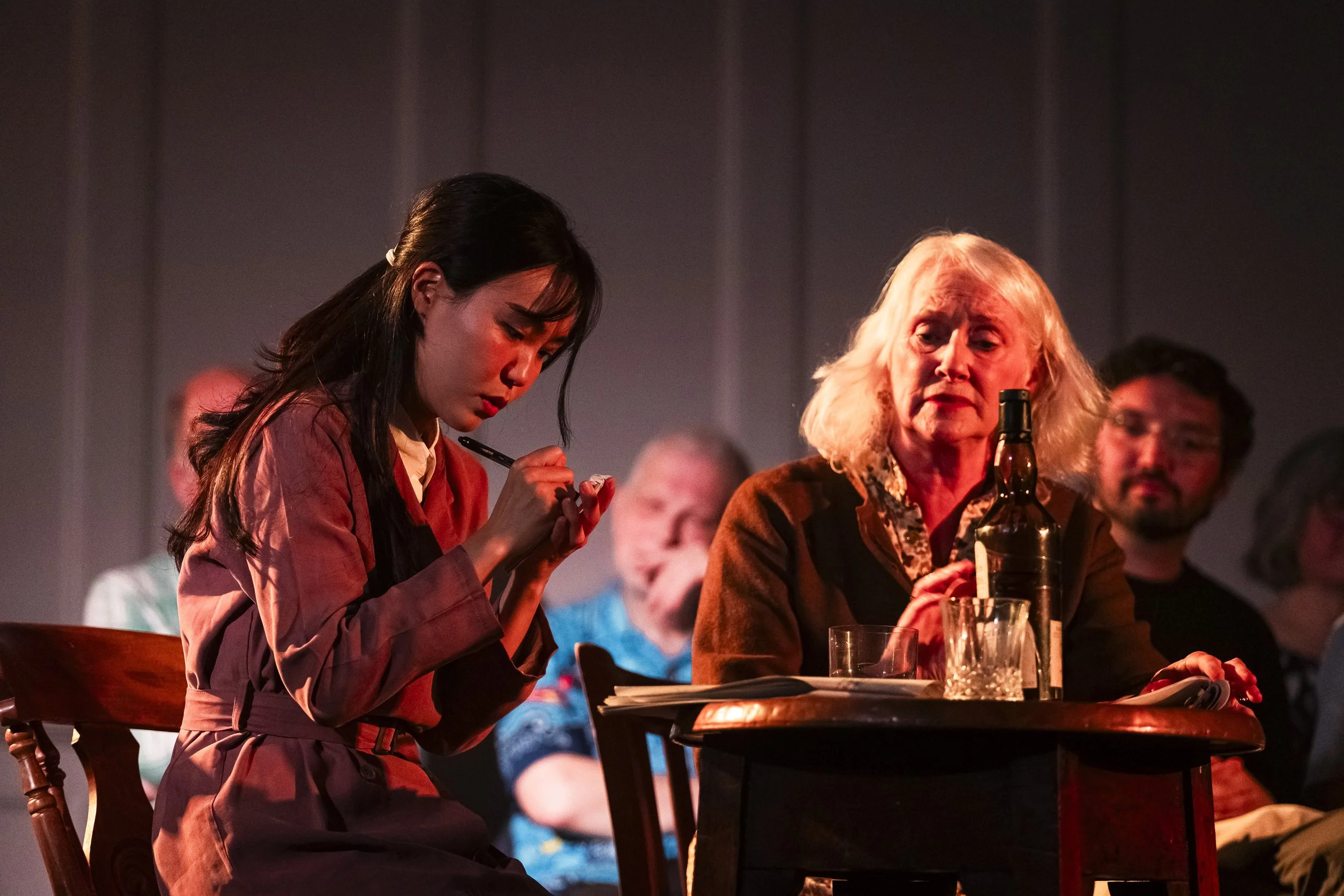
Korean Season at the Fringe, where ceilidhs and hanbok collide
Early morning, early August 2015: my first full Fringe as an Edinburgh resident. I arrived on the Royal Mile before the box office opened so I could beat the queues. I may have been the only Fringe-goer at this hour, but I was not alone…

On queer visibility and the metatextuality of drag
What does it mean to be perceived? I have been thinking about this question more than is probably healthy since watching Tia Kofi at the Edinburgh Fringe. The occasion was The Final FronTia, a live recording of Tia's podcast, with comedy duo Flo and Joan joining her to talk about their Andrew Lloyd Webber show. Tia, who won RuPaul's Drag Race UK vs The World, has spent the years since becoming one of British drag's most recognisable figures.

Constructing new myths for our inner child
Having been in therapy for several years now, I am no stranger to the question, “What would you say to your inner child?” I am never prepared to answer it, though. In the small room that hosts Legendary, we are greeted by this question, beamed onto a backdrop from an old school projector. Yellow balloons hover along the edges of the stage and an ethereal character – loose hair, clad in a long white lace dress – stands amongst the audience, gently welcoming those that walk in.
Visiting the living archive of Sandra George
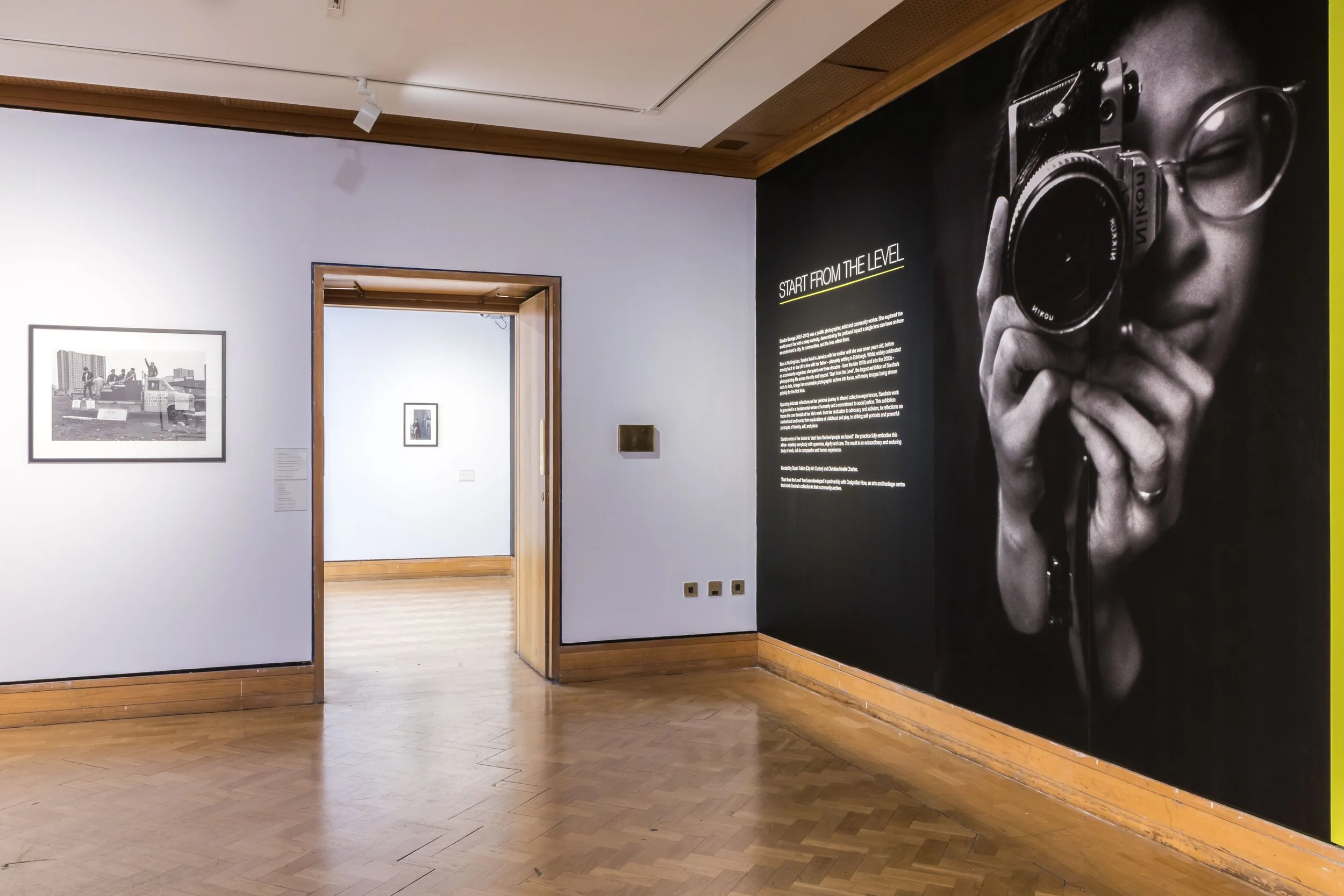
The scaffolding on North Bridge is finally down and I can see a 40-foot Black woman looking at me through the viewfinder of her camera. It is the advertisement for the exhibition Sandra George: Start from the Level at the City Art Centre. I pause in her giant gaze, a small subject in her line of sight, and offer mine back.
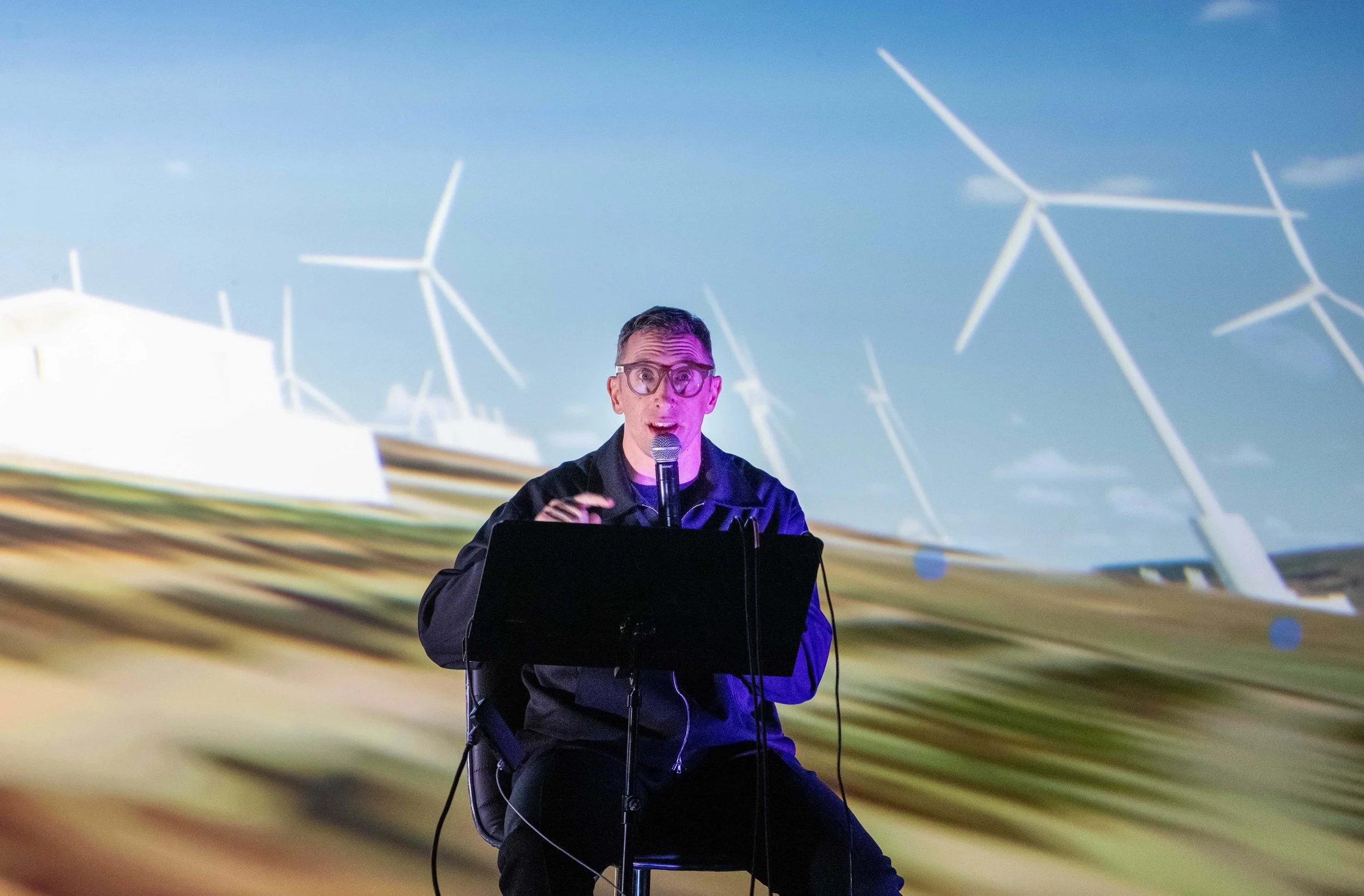
A cacophony of violence: Sonic occupation and defiance at Leith Theatre
What do we choose to listen to every day? A year has passed since I stopped taking headphones with me when I leave the house, since I cancelled my Spotify subscription due to the company’s complicity with Israel’s genocidal campaign in Palestine. The music streaming platform’s founder, Daniel Ek, pumped millions of dollars stolen from artists into the German AI military company Helsing, which has active contracts with international arms companies supplying Israel.
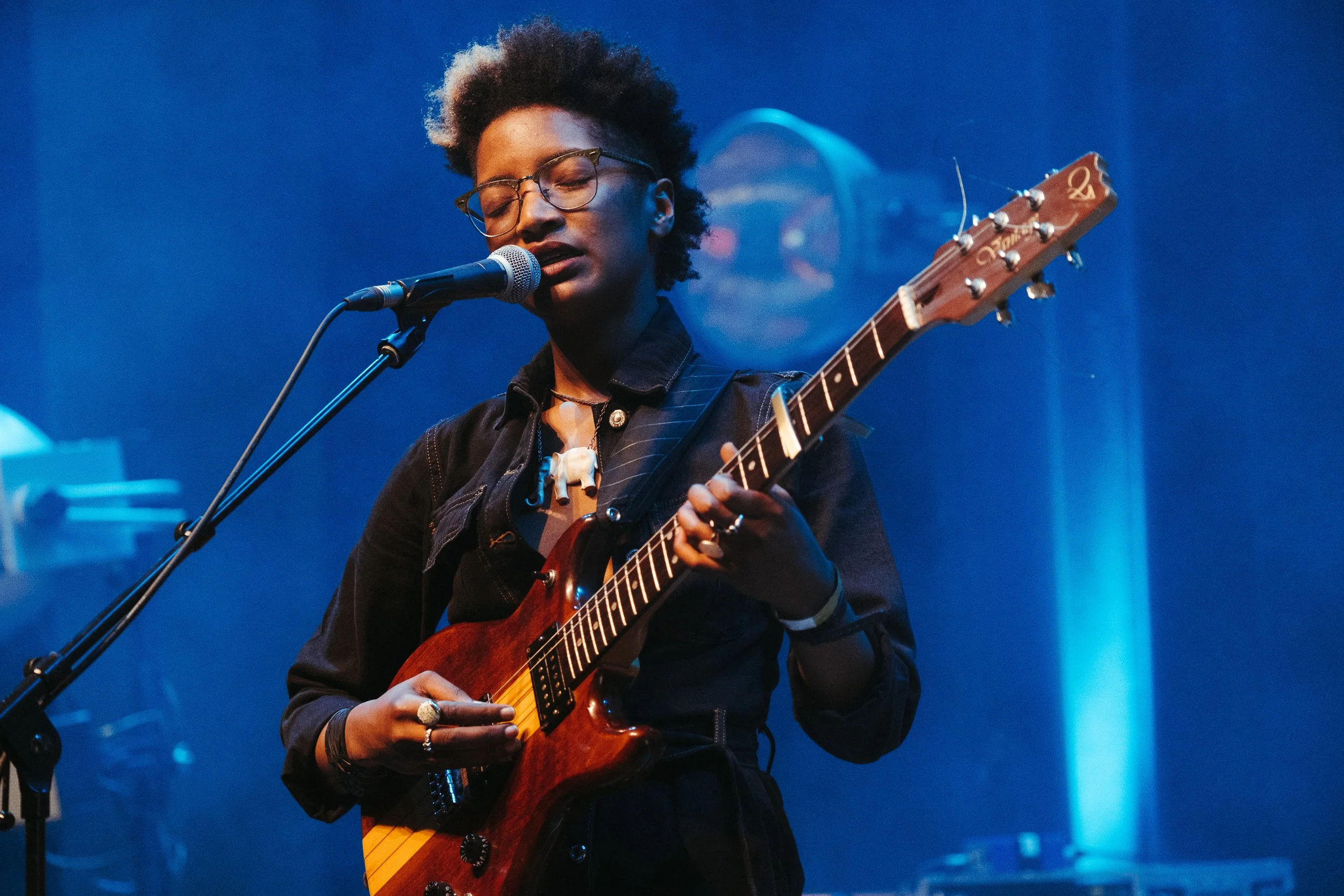
Heir of the Cursed, human to the last
Teenage Beldina Odenyo's face fills the screen. "I suppose if anything ever happens to me,” she says, “it would be good if somebody found this and basically understood how I was feeling." Watching the opening of the feature film Bel, I felt like a witness to a prophecy: Odenyo ended her life just as her star was about to shoot.
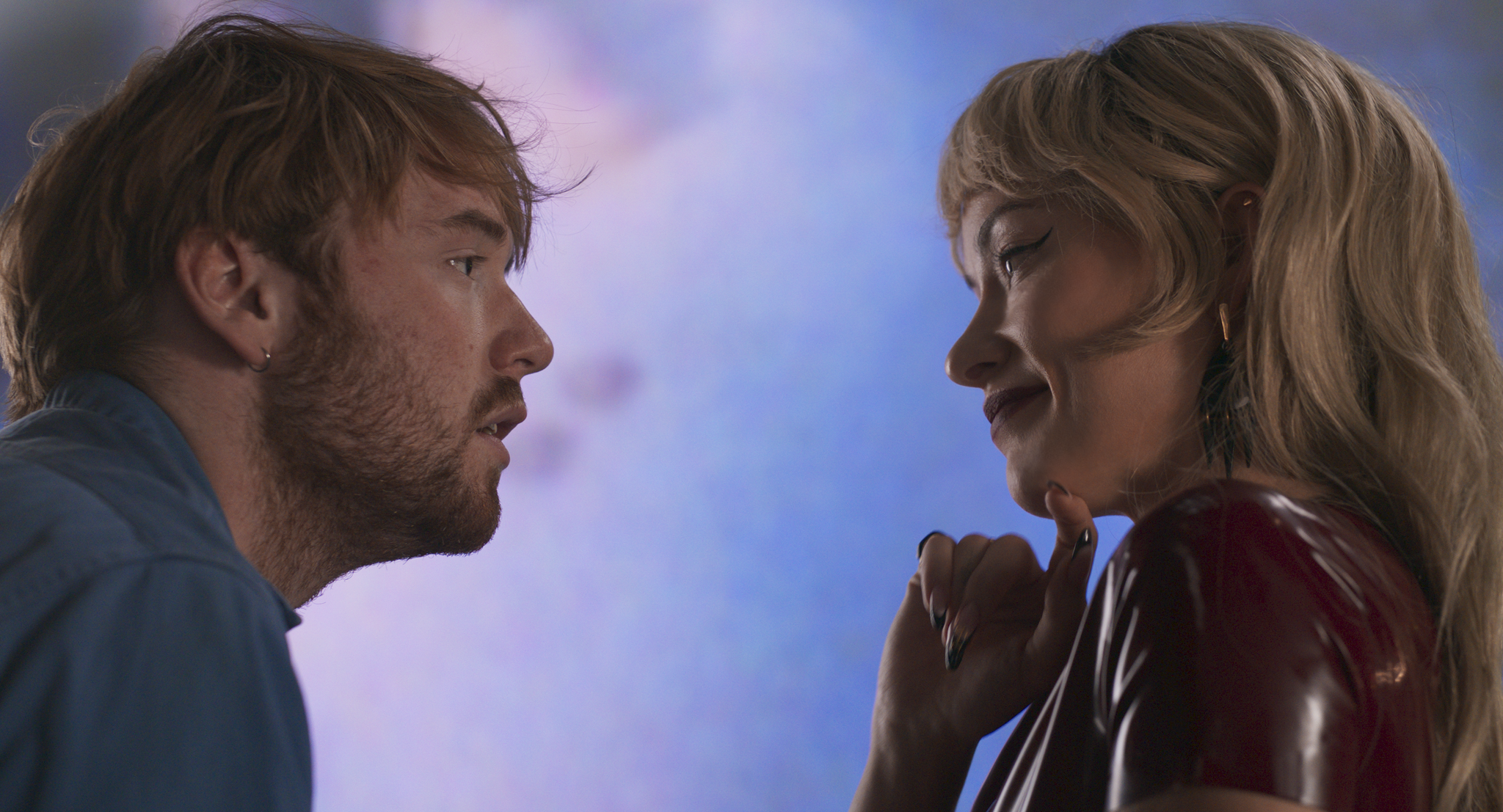
Defending the sex scene: Kink as anti-capitalist provocation
Despite relentless internet discourse on the necessity of sex scenes, kink is making a comeback in film – and I love to see it. As a queer creative, it excites me that filmmakers are taking risks with increased representations of ‘taboo’ sexuality.
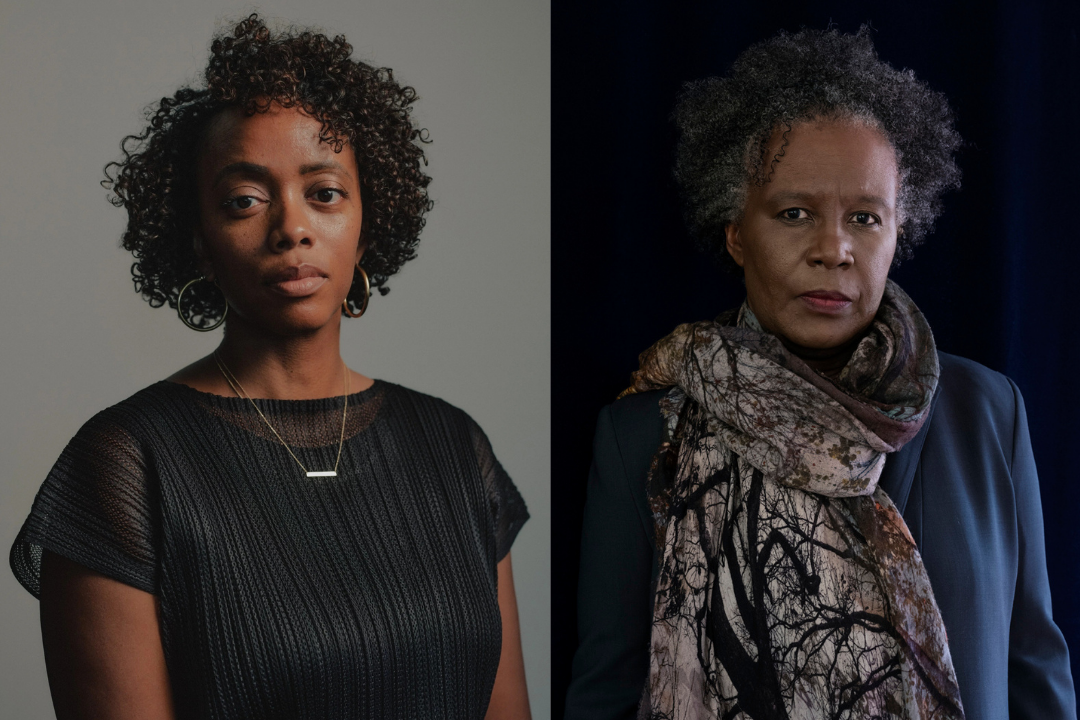
How do you write about America?
A poetic Response to Angela Flournoy and Claudia Rankine’s event at the Edinburgh International Book Festival 2026, written and read by Hannah Lavery.
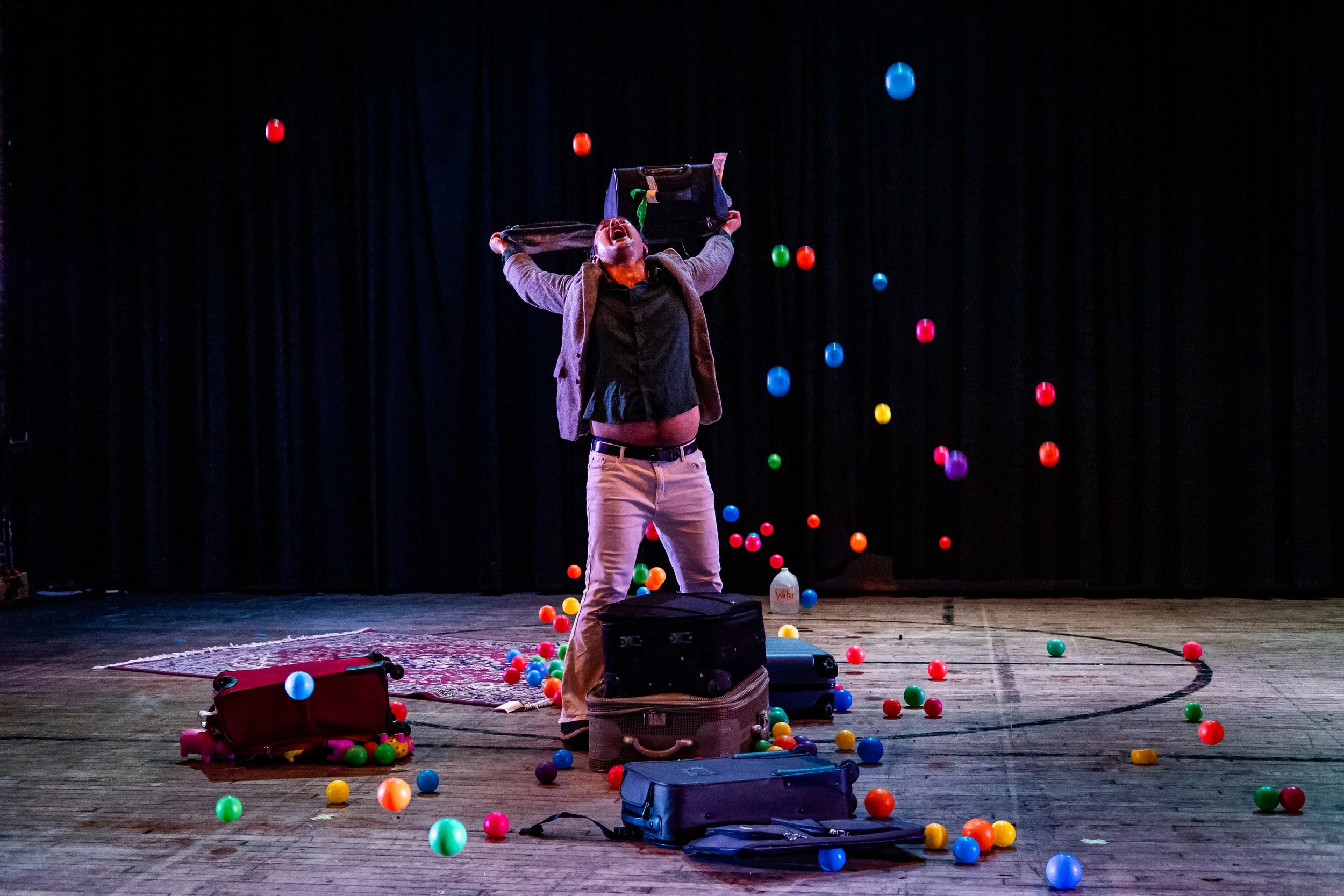
Drinking piss and refusing the theatre of representation
For years, I have wanted to write an essay on how the closing credit cards that come up at the end of biopics always make me cry. You know the ones. “Turing’s work inspired generations of research” from The Imitation Game. “That same year, John and June were married and settled into the lake house” from Walk the Line…
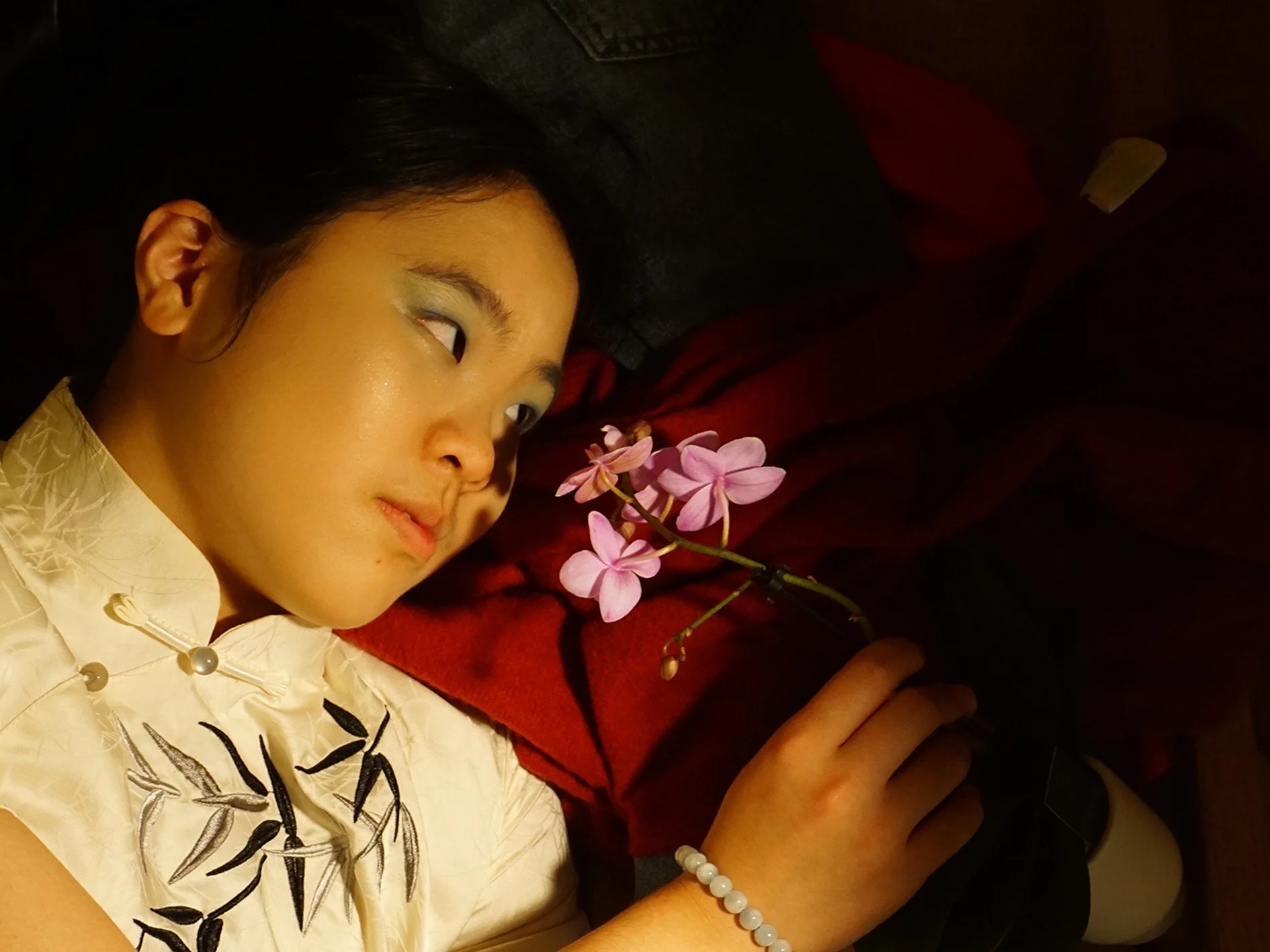
Learning to bloom without fairytale expectations
Heungbu tending to an injured swallow. The youngest pig building his house out of bricks. Fairytales teach children culture and values in ways few other things can. Hard work bears fruit. Bravery brings reward. Kindness begets beauty.
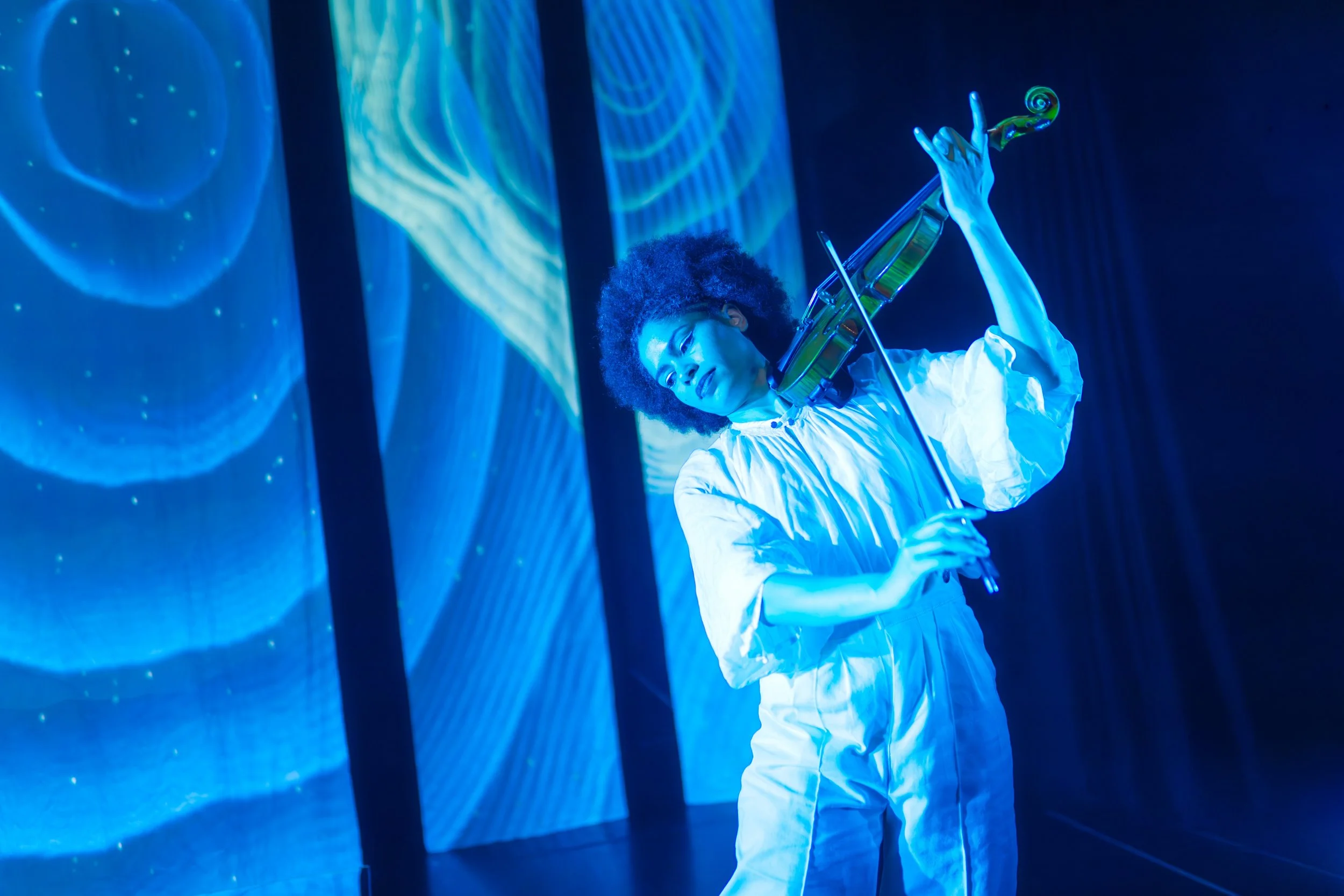
To love and leave home in search of the self
Arcana is a poetic, music-led hero's quest by the French Cameroonian musician, performer, director and educator, Fay Guiffo. I see the theatre piece on the day it opens at the Assembly Roxy on Roxburgh Place. Outside, rainclouds ride low over the converted church. Inside, it’s dim. A few faint lights pick out a slim, still figure, who seems pressed down by the height of vaulted ceilings.
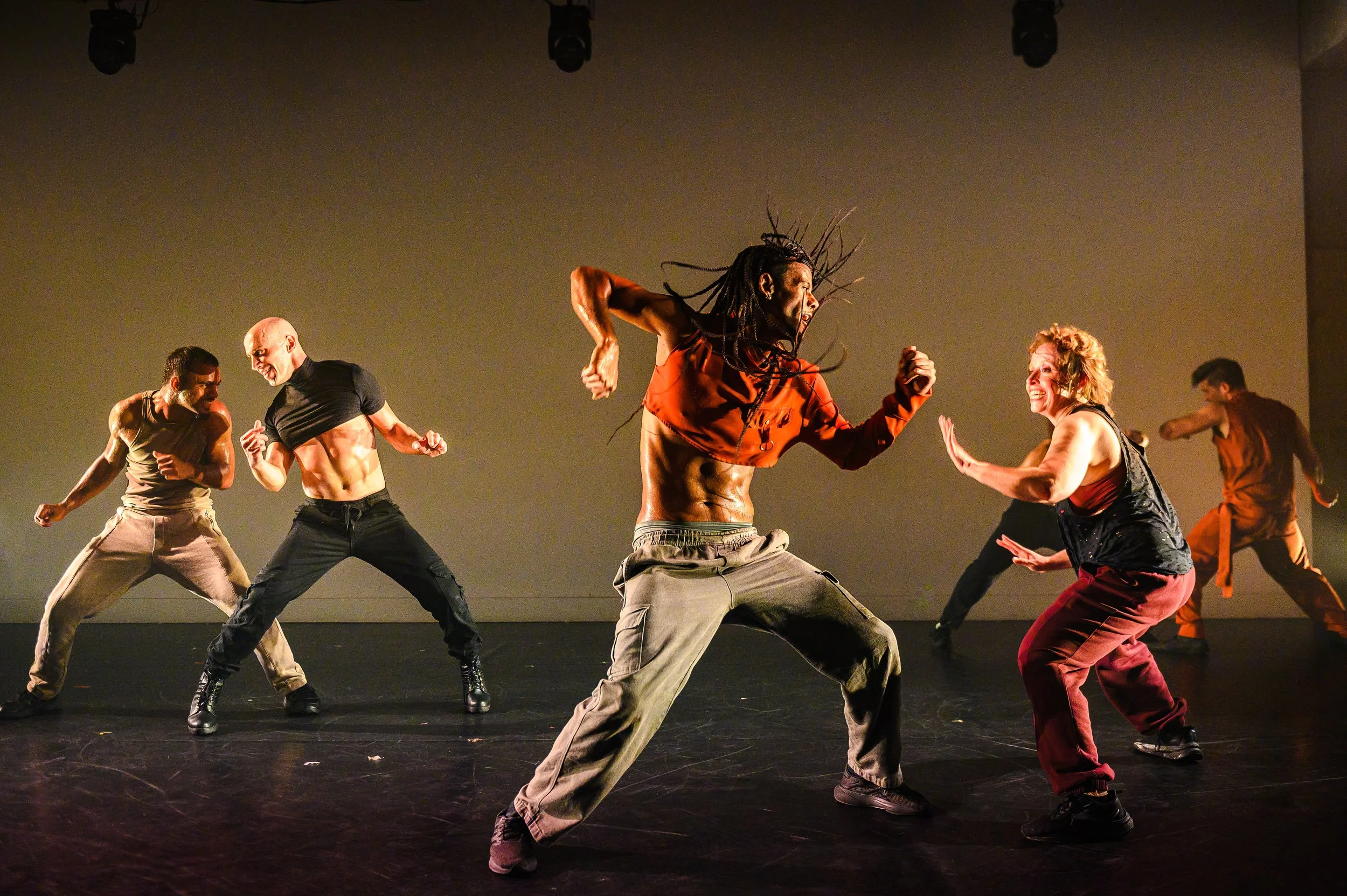
The Body Politic: Somatics and crossings in Border Bodies
To start, there is print material. Four options, laid out on a small table, for Border Bodies, presented by T.F. Cia de Dança, as part of the São Paulo Showcase. Take only two, I decide – nice print but they will be at the bottom of my bag, soon, and it is good to not be wasteful. Take only what we need, and can. In my hand, I hold them close and they slip slip spin slip upon each other. New.
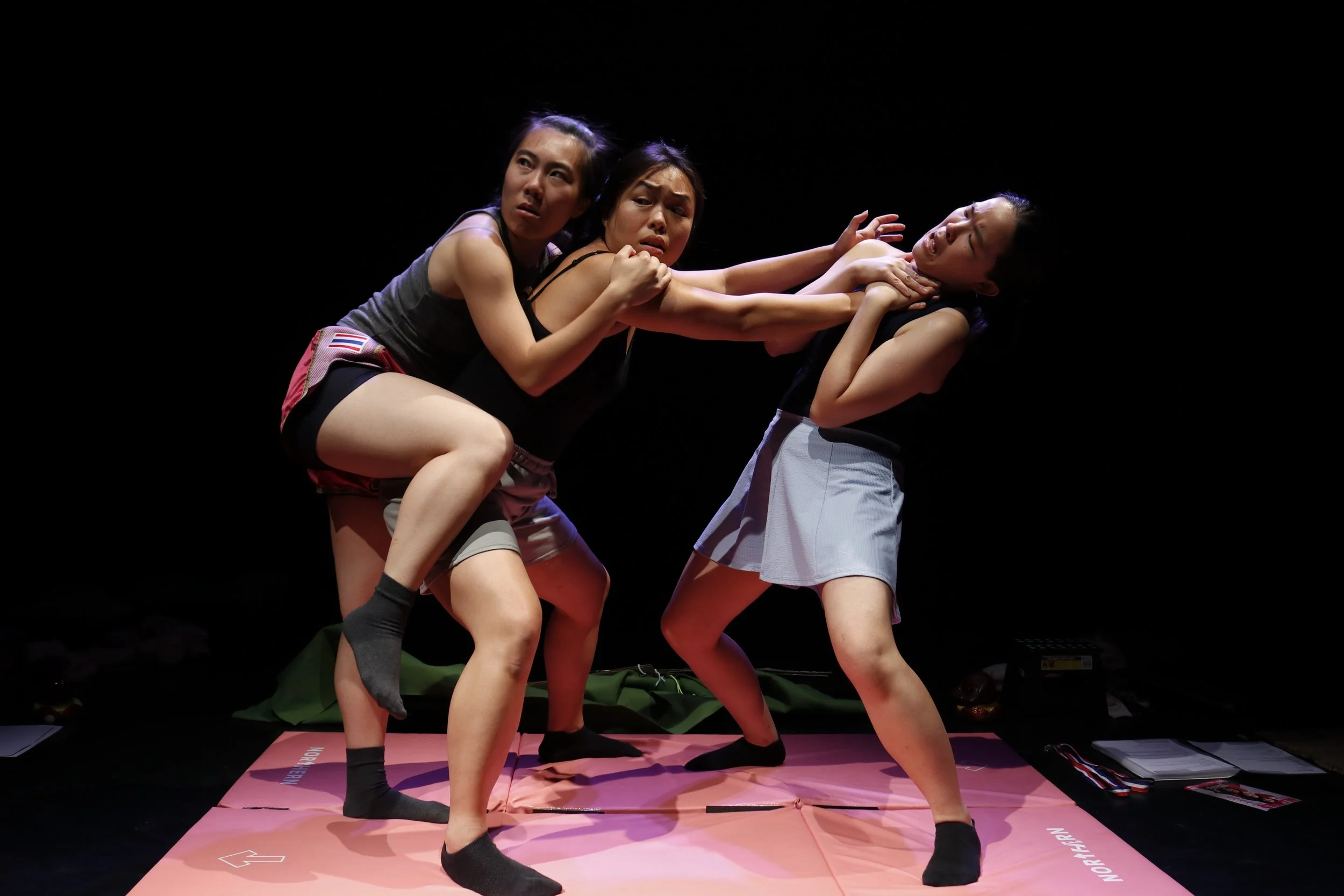
Breaking free from pigeonholes and the toxicity of individualism
I cannot pinpoint when I started oscillating between anger and despair. Another racist attack in Scotland, another empty statement. Another precarious creative opportunity, another exhausting conversation with an institution. A cycle of feeling unsafe or unheard. As far-right violence became more normalised and the arts remained indifferent, I felt fewer pulses of hope. In the month preceding the Edinburgh Fringe, I flatlined into rage.
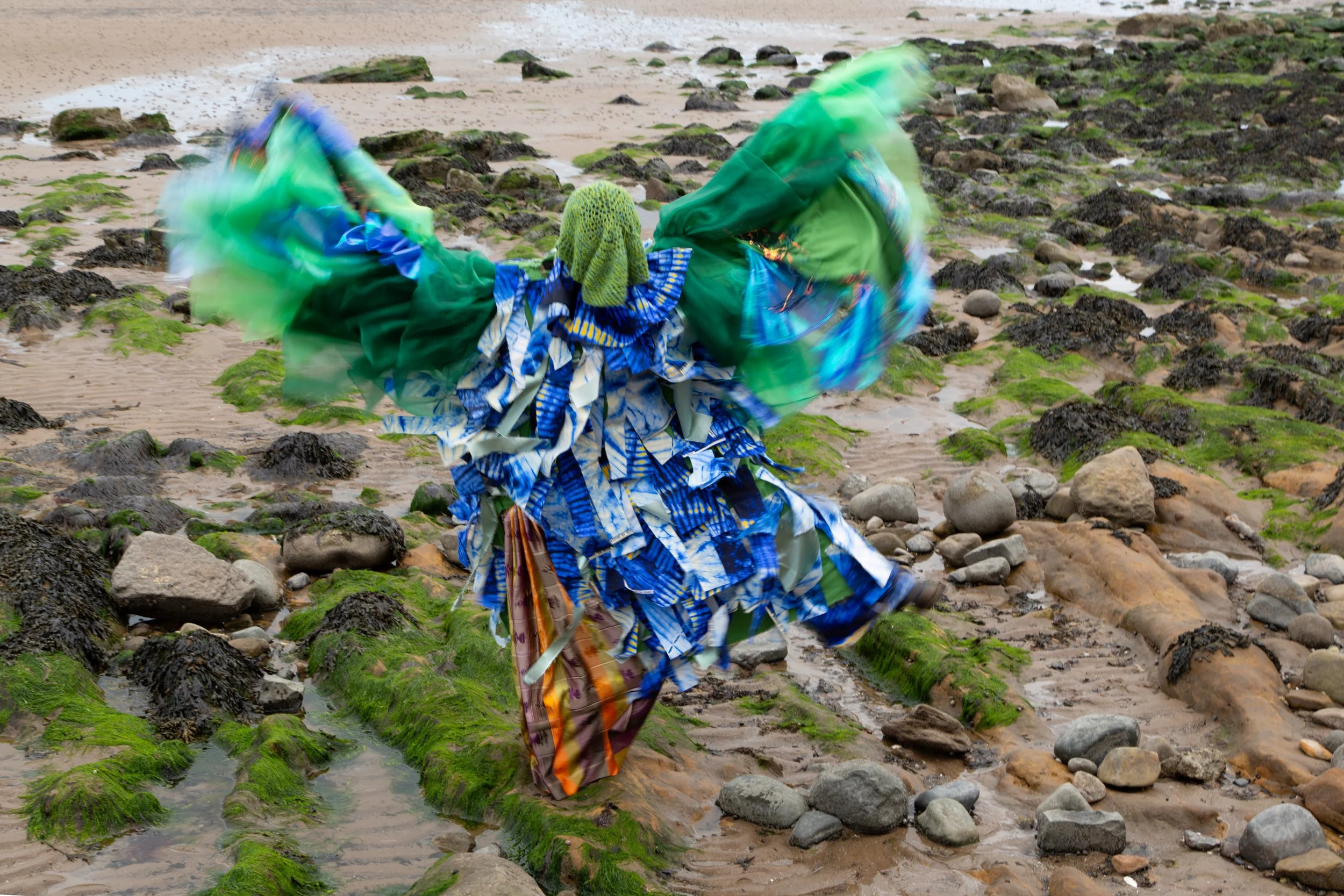
I name myself becoming
A poetic Response to The Masquerade by Jj Fadaka, written by Titilayo Farukuoye.
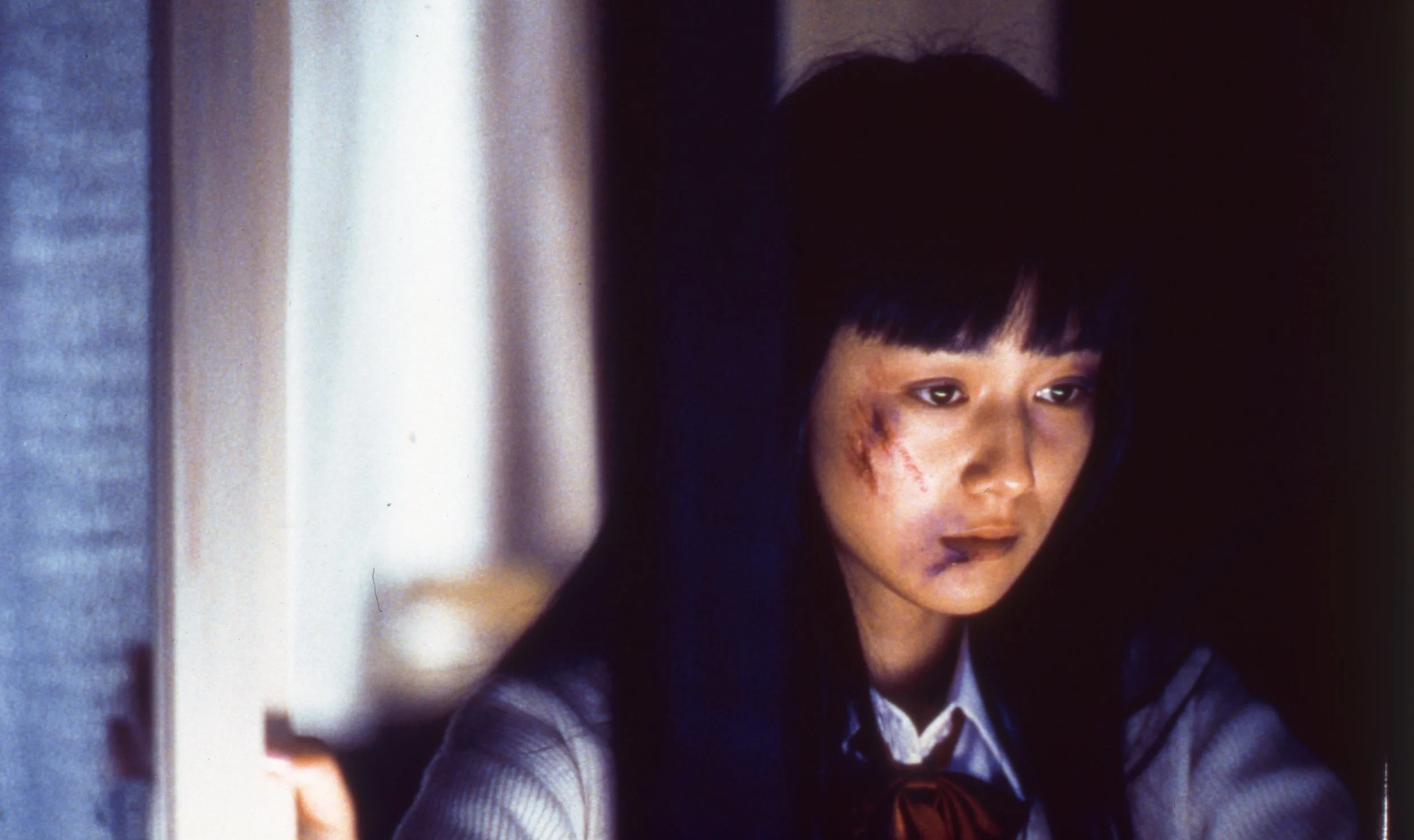
Limitless Desire: Navigating Taboo, Disgust and Pleasure in Visitor Q
Takashi Miike's Visitor Q depicts the maximum level of breakdown in a family. This (very) dark comedy opens on a home video sex scene between father and daughter in a seedy motel, progressing through scenes of profound dysfunction as a mysterious visitor (Kazushi Watanabe) comes to stay with the family.
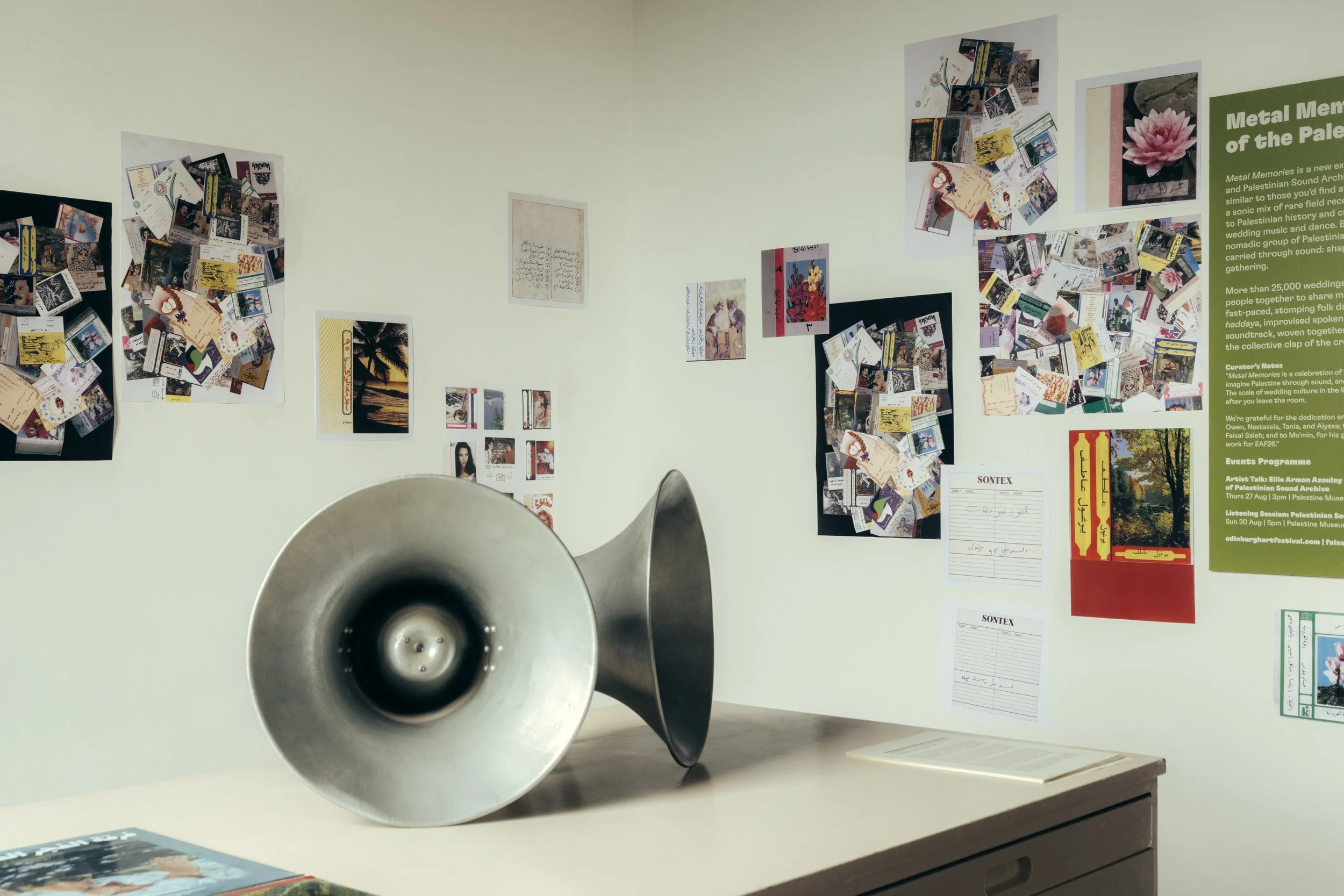
‘Every word, every note matters’: On sound as a portal into inherited histories
I have always been interested in memory. In my writing practice, I cannot divest memory from culture and inheritance. Obvious personal entry points are the iconography of La Virgen de Guadalupe whose portrait hangs in the house of all my elder family members, or the distinct food culture of my maternal northern México…

Editorial: Reflecting on 7 years of Fringe of Colour
From starting The Database in 2018 to preserving its legacy today, Fringe of Colour founder and director Jess Brough looks back to where it all began and celebrates another beautiful summer with Artists of Colour at the Edinburgh festivals.
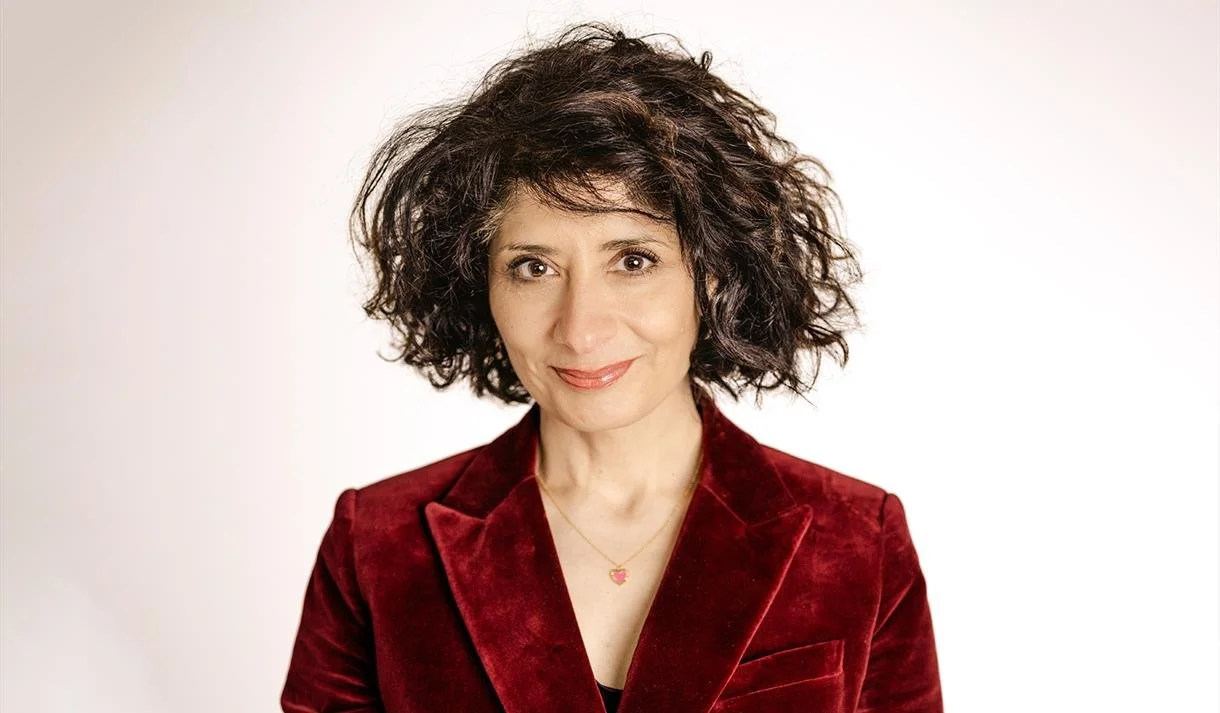
In diagnosis limbo, ADHD stories bring a joyful ache
In this Response to Shaparak Khorsandi’s Edinburgh Fringe show Scatterbrain, Shivam Chowdhary describes the joy of watching a performer revel in their ADHD mind, and the ache that comes with finding oneself on the outside of a diagnosis.
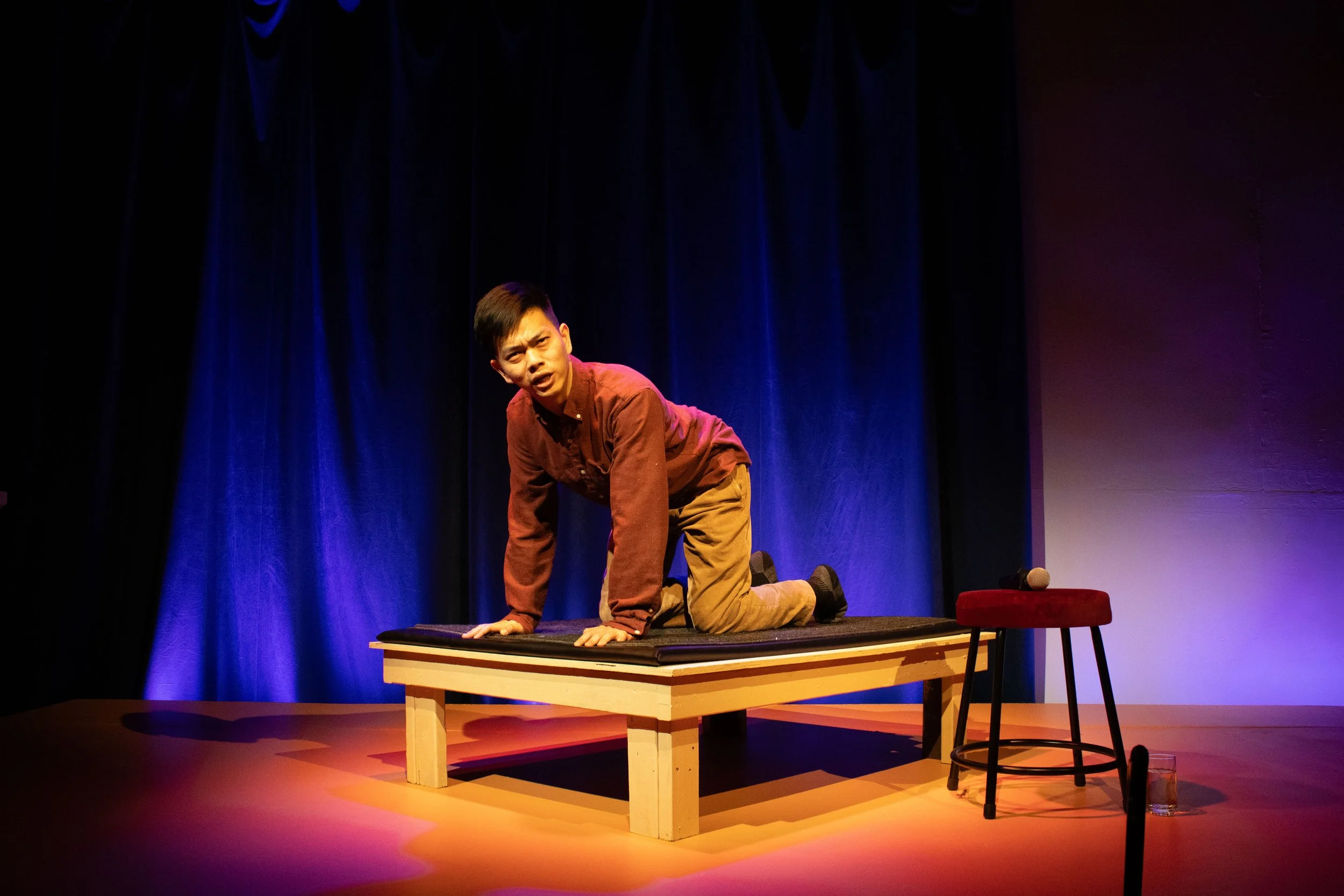
Aaron Pang proves that truth is sexier than tropes
Haneul Lee responds to Falling: A Disabled Love Story by Aaron Pang, exploring the mainstream media’s obsession with disabled bodies and why disabled people get to be seen as “cute” but rarely “sexy.”
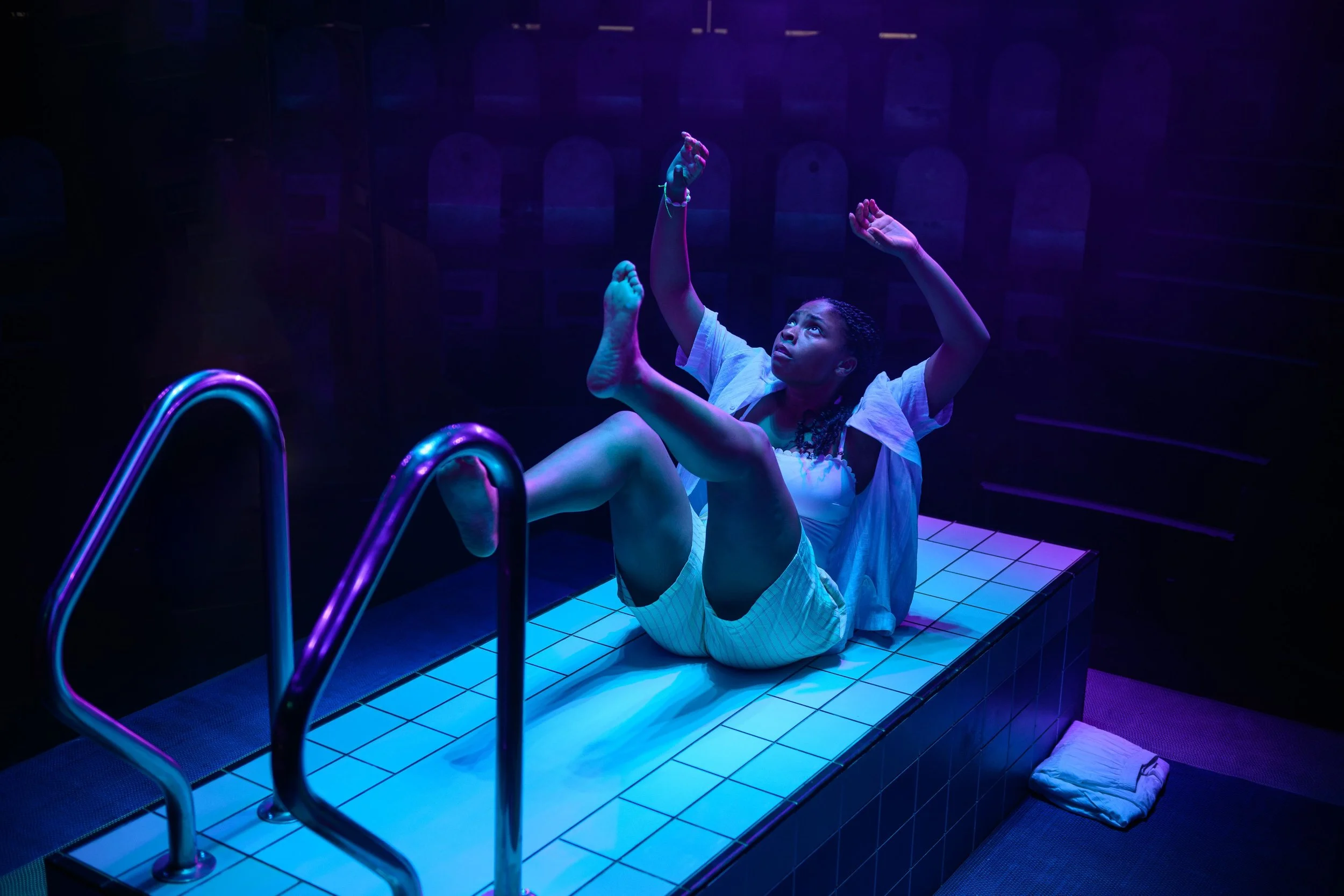
To reconcile with water, through fear and grief
Elete N-F responds to How I Learned to Swim by Somebody Jones, embracing the darkness of water and its properties of healing and communality.